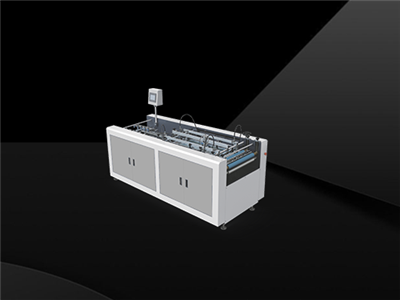

As a seasoned supplier of Box Machines, I've encountered a wide array of electrical issues over the years. Electrical problems in box machines can be a significant headache, leading to downtime, lost productivity, and increased costs. In this blog, I'll share some practical tips on how to troubleshoot electrical problems in box machines, drawing from my extensive experience in the industry.
Understanding the Basics of Box Machine Electrical Systems
Before diving into troubleshooting, it's essential to have a basic understanding of the electrical systems in box machines. Most box machines, such as the Automatic Rigid Box Forming Machine, Automatic Cardboard Grooving Machines, and Four Edge Folding Machine, rely on a combination of electrical components to function properly. These components include motors, sensors, relays, circuit boards, and power supplies.
Each component plays a crucial role in the machine's operation. For example, motors are responsible for moving the various parts of the machine, sensors detect the position and movement of materials, relays control the flow of electricity, circuit boards process and transmit electrical signals, and power supplies provide the necessary electrical energy.
Common Electrical Problems in Box Machines
There are several common electrical problems that you may encounter in box machines. Here are some of the most frequent issues and their possible causes:


1. Motor Failure
- Symptoms: The motor fails to start, runs slowly, or makes unusual noises.
- Possible Causes: Overheating, worn-out bearings, electrical shorts, or a faulty motor controller.
2. Sensor Malfunction
- Symptoms: The machine stops unexpectedly, materials are not detected correctly, or the machine operates erratically.
- Possible Causes: Dirt or debris on the sensor, misalignment, damaged wiring, or a faulty sensor.
3. Relay Issues
- Symptoms: The machine does not respond to commands, certain functions do not work, or there are intermittent electrical problems.
- Possible Causes: Worn-out contacts, electrical arcing, or a faulty relay coil.
4. Circuit Board Problems
- Symptoms: The machine displays error messages, certain functions are disabled, or there are issues with the machine's control system.
- Possible Causes: Electrical surges, component failures, or loose connections on the circuit board.
5. Power Supply Problems
- Symptoms: The machine does not turn on, there are power fluctuations, or the machine shuts down unexpectedly.
- Possible Causes: A blown fuse, a faulty power cord, or a malfunctioning power supply unit.
Troubleshooting Steps
Now that we've identified some common electrical problems, let's discuss the steps you can take to troubleshoot them.
1. Safety First
Before attempting any troubleshooting, make sure to follow all safety procedures. Turn off the machine and unplug it from the power source to avoid the risk of electric shock. Wear appropriate personal protective equipment, such as insulated gloves and safety glasses.
2. Visual Inspection
Start by conducting a visual inspection of the machine. Look for any obvious signs of damage, such as frayed wires, loose connections, or burned components. Check the wiring harnesses for any signs of wear or tear, and make sure all connectors are securely plugged in. Inspect the sensors for dirt or debris, and clean them if necessary.
3. Check the Power Supply
Verify that the machine is receiving power. Check the power cord for any damage, and make sure it is properly plugged into a functioning outlet. If the machine has a fuse, check if it is blown and replace it if necessary. You can use a multimeter to measure the voltage at the power supply to ensure it is within the correct range.
4. Test the Components
Use a multimeter or other testing equipment to test the electrical components of the machine. For example, you can test the motors for continuity and resistance, the sensors for proper operation, and the relays for contact resistance. Refer to the machine's manual for the specific testing procedures and specifications.
5. Check the Control System
If the machine has a control system, such as a programmable logic controller (PLC), check for any error messages or diagnostic codes. Refer to the manual to interpret the codes and troubleshoot the problem. You may need to reset the control system or update the software if necessary.
6. Replace Faulty Components
If you have identified a faulty component, replace it with a new one. Make sure to use the correct replacement part that is compatible with the machine. Follow the manufacturer's instructions for installing the new component, and test the machine to ensure it is working properly.
7. Seek Professional Help
If you are unable to troubleshoot the electrical problem on your own, or if you are not comfortable working with electrical systems, it is recommended to seek professional help. Contact a qualified electrician or a technician who is experienced in working with box machines. They will have the necessary tools and expertise to diagnose and repair the problem safely and effectively.
Preventive Maintenance
In addition to troubleshooting electrical problems, it is important to perform regular preventive maintenance on your box machines to minimize the risk of future issues. Here are some preventive maintenance tips:
- Keep the Machine Clean: Regularly clean the machine to remove dirt, dust, and debris. This will help prevent sensor malfunctions and other electrical problems.
- Lubricate Moving Parts: Follow the manufacturer's recommendations for lubricating the moving parts of the machine. This will help reduce friction and wear, and extend the life of the components.
- Inspect Wiring and Connections: Periodically inspect the wiring and connections for any signs of damage or wear. Tighten loose connections and replace any damaged wiring.
- Calibrate Sensors and Controls: Regularly calibrate the sensors and controls of the machine to ensure accurate operation. This will help prevent errors and improve the quality of the finished products.
- Follow the Manufacturer's Instructions: Always follow the manufacturer's instructions for operating and maintaining the machine. This will help ensure the safe and efficient operation of the machine, and prevent premature component failure.
Conclusion
Troubleshooting electrical problems in box machines can be a challenging task, but with the right knowledge and skills, you can effectively diagnose and repair the issues. By following the steps outlined in this blog, you can minimize downtime, reduce costs, and keep your box machines running smoothly.
If you are experiencing electrical problems with your box machines, or if you are interested in purchasing high-quality box machines, I encourage you to contact us for more information. Our team of experts is available to provide you with professional advice and support, and to help you find the best solutions for your specific needs.
References
- Manufacturer's manuals for box machines
- Electrical engineering textbooks and resources
- Industry publications and articles on box machine maintenance and troubleshooting