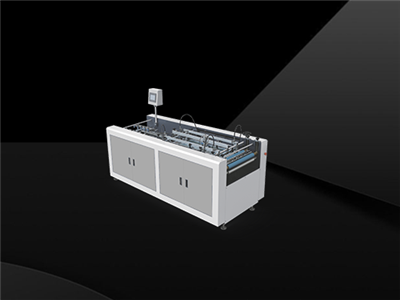

As a seasoned supplier of Rigid Box Machines, I understand the critical importance of ensuring proper alignment in these machines. Misalignment can lead to a host of problems, from poor-quality box production to increased wear and tear on machine components, ultimately affecting your bottom line. In this blog post, I'll share some practical steps on how to check the alignment of a Rigid Box Machine.
Understanding the Basics of Rigid Box Machine Alignment
Before delving into the alignment checking process, it's essential to understand what alignment means in the context of a Rigid Box Machine. Alignment refers to the proper positioning of various machine components, such as rollers, belts, cutting blades, and gluing units, relative to each other. When these components are aligned correctly, the machine can produce rigid boxes with consistent dimensions, smooth edges, and strong joints.
Tools Required for Alignment Checking
To check the alignment of a Rigid Box Machine, you'll need a few basic tools:
- Straightedge: A straightedge is used to check the straightness of machine components, such as rollers and guide rails.
- Dial indicator: A dial indicator is a precision measuring tool that can be used to measure small displacements and deviations. It's useful for checking the alignment of rotating components, such as shafts and spindles.
- Laser alignment tool: A laser alignment tool uses a laser beam to project a straight line onto a surface. It's a quick and accurate way to check the alignment of long machine components, such as conveyor belts and frames.
- Feeler gauge: A feeler gauge is a set of thin metal strips of different thicknesses. It's used to measure the clearance between two machine components, such as the gap between a cutting blade and a die.
Step-by-Step Guide to Checking Alignment
1. Visual Inspection
The first step in checking the alignment of a Rigid Box Machine is to conduct a visual inspection. Look for any obvious signs of misalignment, such as uneven wear on machine components, loose bolts or nuts, or visible gaps between parts. Pay special attention to areas where the machine components interact, such as the feeding area, cutting area, and gluing area.
2. Check the Rollers
Rollers play a crucial role in the operation of a Rigid Box Machine, as they are responsible for feeding, guiding, and pressing the cardboard material. To check the alignment of the rollers, use a straightedge to ensure that they are parallel to each other and to the machine frame. Place the straightedge across the top of the rollers and check for any gaps or deviations. If you find any misalignment, adjust the roller bearings or mounting brackets as needed.
3. Inspect the Cutting Blades
The cutting blades are another critical component of a Rigid Box Machine. Misaligned cutting blades can result in uneven cuts, jagged edges, and poor-quality boxes. To check the alignment of the cutting blades, use a feeler gauge to measure the clearance between the blade and the die. The clearance should be uniform across the entire length of the blade. If the clearance is too large or too small, adjust the blade position or the die height accordingly.
4. Check the Gluing Unit
The gluing unit is responsible for applying adhesive to the cardboard material to form the box joints. Misaligned gluing units can result in uneven glue application, weak joints, and box delamination. To check the alignment of the gluing unit, use a laser alignment tool to ensure that the glue nozzle is centered over the glue line. You can also use a straightedge to check the alignment of the glue roller and the pressure roller. If you find any misalignment, adjust the gluing unit mounts or the roller positions as needed.
5. Inspect the Conveyor Belt
The conveyor belt is used to transport the cardboard material through the machine. Misaligned conveyor belts can cause the material to shift or skew, resulting in inconsistent box dimensions and poor-quality production. To check the alignment of the conveyor belt, use a laser alignment tool to ensure that the belt is running straight and parallel to the machine frame. You can also check the tension of the belt using a tension gauge. If the belt is too loose or too tight, adjust the belt tensioner accordingly.
6. Check the Shafts and Spindles
The shafts and spindles are rotating components that drive various machine functions, such as the cutting blades, rollers, and conveyor belt. Misaligned shafts and spindles can cause vibration, noise, and premature wear on machine components. To check the alignment of the shafts and spindles, use a dial indicator to measure the runout and alignment of the rotating parts. Place the dial indicator on the shaft or spindle and rotate it slowly. The indicator should show a consistent reading within the specified tolerance range. If you find any misalignment, adjust the shaft or spindle mounts or the coupling as needed.
7. Perform a Test Run
After completing the alignment checks and adjustments, it's important to perform a test run of the Rigid Box Machine. Feed a few sheets of cardboard material through the machine and inspect the quality of the produced boxes. Look for any signs of misalignment, such as uneven cuts, weak joints, or box distortion. If you find any issues, repeat the alignment checks and adjustments until the machine is producing high-quality boxes consistently.
Importance of Regular Alignment Checks
Regular alignment checks are essential for maintaining the performance and longevity of a Rigid Box Machine. Over time, machine components can wear out, loosen, or shift due to normal use, vibration, and environmental factors. By performing regular alignment checks, you can identify and correct any alignment issues before they cause significant problems, such as machine breakdowns, production delays, or quality issues.


Additional Resources
If you're interested in learning more about Rigid Box Machines and their alignment, I recommend checking out our Automatic Tape Pasting Machine, Semi Auto Corner Pasting Machine, and Cardboard V Grooving Machines. These machines are designed to provide high-quality and efficient box production, and proper alignment is crucial for their optimal performance.
Conclusion
Checking the alignment of a Rigid Box Machine is a critical maintenance task that can help ensure the production of high-quality boxes, reduce machine downtime, and extend the lifespan of the machine. By following the steps outlined in this blog post and using the appropriate tools, you can easily check and adjust the alignment of your Rigid Box Machine. If you have any questions or need further assistance with machine alignment or maintenance, please don't hesitate to contact us. We're here to help you get the most out of your Rigid Box Machine and achieve your production goals.
References
- "Rigid Box Machine Maintenance Guide," Industry Publication, 20XX.
- "Alignment Techniques for Industrial Machinery," Technical Manual, Manufacturer XYZ, 20XX.