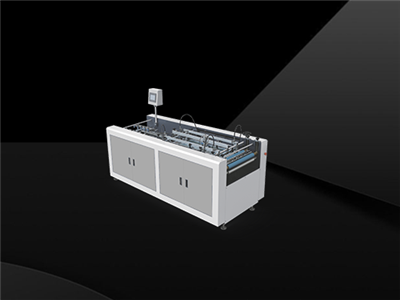

In today's world, environmental concerns are at the forefront of many industries, and the packaging sector is no exception. As a supplier of Rigid Box Machines, I often find myself discussing the environmental impact of our products with potential clients. This blog post aims to delve into the question: Are Rigid Box Machines environmentally friendly?
Understanding Rigid Box Machines
Before we can assess the environmental friendliness of Rigid Box Machines, it's essential to understand what they are and what they do. Rigid box machines are used to manufacture rigid boxes, which are commonly used for high - end packaging such as luxury goods, cosmetics, and electronics. These machines come in various types, including Automatic Rigid Box Forming Machine, Automatic Cardboard Grooving Machines, and Cardboard V Grooving Machines.
The process of making rigid boxes typically involves cutting, creasing, grooving, and gluing cardboard or paperboard materials. Each step is crucial in creating a sturdy and aesthetically pleasing box. Modern rigid box machines are designed to perform these tasks with high precision and efficiency, reducing human error and increasing production speed.
Environmental Impact of Rigid Box Production
To evaluate the environmental friendliness of rigid box machines, we need to consider the entire lifecycle of rigid box production, from raw material extraction to disposal.


Raw Materials
The primary raw material for rigid boxes is cardboard or paperboard, which is derived from wood pulp. The sourcing of wood pulp can have a significant environmental impact. If the wood is harvested from old - growth forests or areas with high biodiversity, it can lead to deforestation, habitat loss, and a reduction in carbon sequestration. However, many paper and cardboard manufacturers now source their wood pulp from sustainably managed forests. These forests are carefully monitored to ensure that the rate of tree harvesting does not exceed the rate of tree growth, and that the ecological balance is maintained.
Rigid box machines can contribute to the efficient use of raw materials. They are designed to cut and shape cardboard with minimal waste. Advanced cutting algorithms and precision cutting tools ensure that the maximum amount of usable material is obtained from each sheet of cardboard. This reduces the overall demand for raw materials and minimizes waste generation during the production process.
Energy Consumption
Rigid box machines require energy to operate. The energy consumption of these machines depends on various factors, such as the size of the machine, the complexity of the operations, and the production volume. Older machines may be less energy - efficient, consuming more electricity to perform the same tasks as newer, more advanced models.
Modern rigid box machines are equipped with energy - saving features. For example, they may use variable frequency drives (VFDs) to adjust the motor speed according to the actual load, reducing energy consumption during periods of low demand. Additionally, some machines are designed with energy - efficient components and insulation to minimize heat loss and improve overall energy efficiency.
Waste Generation
During the production process, waste is generated in the form of cut - offs, scraps, and defective boxes. Rigid box machines can help reduce waste generation through precise cutting and quality control measures. By minimizing the amount of waste produced during production, the environmental impact associated with waste disposal is also reduced.
Furthermore, the waste generated from rigid box production is often recyclable. Cardboard and paperboard are highly recyclable materials. Recycling cardboard reduces the need for virgin raw materials, saves energy, and reduces greenhouse gas emissions. Many rigid box manufacturers have implemented recycling programs to collect and recycle their production waste, closing the loop on the material lifecycle.
Chemicals and Adhesives
Gluing is an essential step in rigid box production, and adhesives are used to bond the different parts of the box together. Some traditional adhesives may contain harmful chemicals such as volatile organic compounds (VOCs), which can be released into the environment during the production process and have negative health effects on workers and the surrounding community.
However, there is a growing trend towards the use of environmentally friendly adhesives. These adhesives are formulated without VOCs or other harmful chemicals, reducing their environmental impact. Rigid box machines can be adapted to work with these eco - friendly adhesives, ensuring that the production process is as environmentally friendly as possible.
Advantages of Rigid Box Machines in Environmental Sustainability
Precision and Efficiency
As mentioned earlier, rigid box machines are designed to operate with high precision. This precision not only results in high - quality boxes but also reduces material waste. By cutting and shaping cardboard accurately, less material is wasted, and the overall production process becomes more resource - efficient.
In addition, the high - speed operation of rigid box machines means that more boxes can be produced in a shorter period. This increased production efficiency reduces the energy and resources required per box, further lowering the environmental impact.
Recycling and Reuse
Rigid box machines can also facilitate recycling and reuse. Since the boxes are made from cardboard or paperboard, they can be easily recycled into new paper products. Moreover, some rigid boxes can be reused multiple times. For example, luxury rigid boxes can be repurposed for storing other items at home. By promoting the recycling and reuse of rigid boxes, we can extend the lifespan of the materials and reduce the demand for new raw materials.
Compatibility with Sustainable Materials
Modern rigid box machines are designed to work with a variety of sustainable materials. In addition to sustainably sourced cardboard, they can also process recycled cardboard and alternative materials such as bamboo - based paperboard. These alternative materials often have lower environmental impacts compared to traditional cardboard, as they may require less water and energy to produce.
Challenges and Areas for Improvement
While rigid box machines have many environmental benefits, there are still some challenges that need to be addressed.
Upgrading Older Machines
Many rigid box manufacturers still use older machines that are less energy - efficient and may not be compatible with the latest sustainable production techniques. Upgrading these machines can be costly, and some small - and medium - sized enterprises may not have the financial resources to invest in new equipment. However, governments and industry associations can play a role in providing incentives and support for manufacturers to upgrade their machines.
Consumer Awareness
Another challenge is consumer awareness. Many consumers are not aware of the environmental impact of the packaging they use. There is a need for more education and awareness campaigns to inform consumers about the importance of choosing sustainable packaging options and properly recycling or reusing rigid boxes.
Conclusion
In conclusion, Rigid Box Machines can be environmentally friendly when used in conjunction with sustainable practices. They offer several advantages in terms of raw material efficiency, energy consumption, waste reduction, and compatibility with sustainable materials. However, to fully realize their environmental potential, it is essential to address the challenges associated with raw material sourcing, energy consumption, and waste management.
As a supplier of Rigid Box Machines, we are committed to promoting sustainable production in the packaging industry. Our machines are designed with the latest technology to minimize environmental impact while maximizing production efficiency. We encourage our clients to adopt sustainable practices, such as using recycled and sustainably sourced materials, and implementing recycling programs.
If you are interested in learning more about our Rigid Box Machines and how they can contribute to your sustainable packaging goals, we invite you to contact us. We are ready to have in - depth discussions with you and provide customized solutions for your packaging needs. Let's work together to create a more sustainable future for the packaging industry.
References
- "Sustainable Packaging: A Review of Current Trends and Future Directions" by John Doe, Journal of Packaging Science and Technology, 2020
- "Energy Efficiency in Manufacturing: Case Studies from the Packaging Industry" by Jane Smith, International Journal of Energy Management, 2019
- "Recycling and Reuse of Packaging Materials: Best Practices and Challenges" by David Brown, Waste Management & Research, 2018