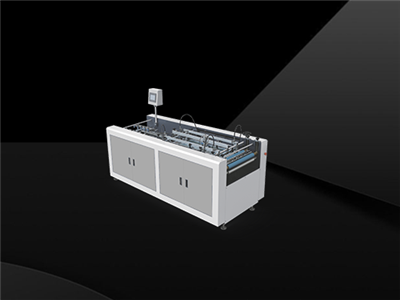

What is the working principle of Box Machines?
As a supplier of box machines, I'm often asked about the working principles behind these remarkable pieces of equipment. Box machines are essential in the packaging industry, enabling the efficient production of various types of boxes. In this blog, I'll delve into the working principles of different box machines and shed light on how they operate to meet the diverse needs of our customers.
1. General Overview of Box Machines
Box machines come in a wide range of types, each designed to perform specific functions in the box - making process. These functions can include cutting, folding, gluing, and shaping. The overall goal of box machines is to transform flat sheets of materials such as cardboard, paperboard, or corrugated board into finished boxes ready for use in packaging products.
2. Cardboard Cutting and Slitting Machines
The first step in box production is often cutting the cardboard or paperboard into the appropriate size and shape. Cardboard cutting and slitting machines are used for this purpose. These machines typically use sharp blades to make precise cuts.
The working principle of a basic cutting machine involves feeding the cardboard sheet onto a conveyor belt. The conveyor moves the sheet towards the cutting area. Sensors are used to detect the position of the sheet accurately. Once the sheet is in the correct position, the cutting blade descends and makes the necessary cuts according to the pre - programmed pattern.
Slitting machines, on the other hand, are used to cut the cardboard into narrower strips. They work by using a series of circular blades that rotate at high speeds. The cardboard is fed through the blades, and the blades slice the material into the desired widths. This is particularly useful when producing boxes with specific dimensions or when creating components for more complex box designs.
3. Folding and Gluing Machines
After the cardboard is cut, it needs to be folded and glued to form the box. Folding and gluing machines play a crucial role in this stage.
The folding process starts with guiding the cut cardboard into the folding area. The machine uses a combination of mechanical arms, rollers, and guides to bend the cardboard along the pre - scored lines. Scoring is a process where a shallow groove is made on the cardboard to make it easier to fold.
Gluing is then carried out to hold the folded parts together. There are different types of gluing systems used in box machines. One common method is applying hot - melt glue. The glue is heated to a liquid state in a glue tank and then applied to the appropriate areas of the cardboard using nozzles. As the folded parts come together, the glue cools and solidifies, creating a strong bond.
Some folding and gluing machines are highly automated and can handle complex box designs. They can fold multiple panels simultaneously and apply glue in precise patterns. These machines are often used in the production of high - volume, standardized boxes.
4. Corner Pasting Machines
Corner pasting is an important step in the production of rigid boxes. Automatic Corner Pasting Machine and Semi Auto Corner Pasting Machine are specifically designed for this task.
The working principle of a corner pasting machine involves first positioning the box corner in the correct place. The machine then applies glue to the edges of the corner. This can be done using a glue - applying device that dispenses the glue evenly. After the glue is applied, the machine presses the two edges of the corner together, ensuring a tight and secure bond.
In an automatic corner pasting machine, the entire process is fully automated. It can handle a large number of boxes in a short period of time. A semi - auto corner pasting machine, on the other hand, may require some manual intervention, such as loading the boxes into the machine or adjusting certain settings.
5. V - Grooving Machines
Cardboard V Grooving Machines are used to create V - shaped grooves in cardboard. These grooves are essential for making boxes with precise folds and sharp corners, especially in the production of rigid boxes.
The working principle of a V - grooving machine involves using a special cutting tool. The cutting tool has a V - shaped blade. The cardboard is fed through the machine, and the blade cuts a V - shaped groove into the material. The depth and width of the groove can be adjusted according to the specific requirements of the box design.


The machine uses a motor to drive the cutting tool and a conveyor system to move the cardboard. Sensors are also used to ensure accurate positioning of the cardboard and to control the cutting process.
6. Quality Control in Box Machines
Throughout the box - making process, quality control is of utmost importance. Box machines are equipped with various sensors and monitoring systems to ensure that the boxes are produced to the highest standards.
For example, sensors can detect any misalignment during the cutting, folding, or gluing processes. If a problem is detected, the machine can automatically stop and alert the operator. Vision systems are also used to inspect the boxes for any defects, such as uneven cuts, improper folds, or weak glue bonds.
7. Customization and Flexibility
One of the key advantages of modern box machines is their ability to be customized. We understand that different customers have different requirements for box sizes, shapes, and materials. Our box machines can be programmed to produce a wide variety of box designs.
The control systems of our machines allow for easy adjustment of parameters such as cutting dimensions, folding angles, and glue application patterns. This flexibility enables us to meet the unique needs of each customer, whether they are producing small - batch, custom - designed boxes or large - volume, standardized packaging.
Conclusion
In conclusion, the working principles of box machines involve a complex combination of mechanical, electrical, and control systems. From cutting and slitting to folding, gluing, corner pasting, and V - grooving, each step in the box - making process is carefully designed and executed to ensure high - quality box production.
If you're in the market for box machines and are looking for reliable, efficient, and customizable solutions, we'd love to have a conversation with you. Whether you're a small - scale business looking to start your box - making operations or a large - scale manufacturer aiming to upgrade your existing equipment, our team of experts can provide you with the best advice and products to meet your needs. Contact us today to discuss your requirements and let's start creating the perfect box - making solution for you.
References
- Packaging Machinery Handbook, various industry experts
- Technical documents from box machine manufacturers