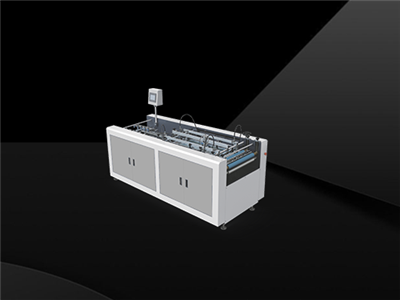

Hey there! As a supplier of Rigid Box Machines, I've seen firsthand how crucial it is to adjust the pressure of these machines correctly. Whether you're a newbie in the rigid box manufacturing game or a seasoned pro, getting the pressure right can make a world of difference in the quality of your products. In this blog, I'll share some tips on how to adjust the pressure of a Rigid Box Machine, so let's dive in!
Why Pressure Adjustment Matters
Before we get into the nitty - gritty of how to adjust the pressure, let's talk about why it's so important. The pressure in a Rigid Box Machine affects several aspects of the box - making process. If the pressure is too low, the boxes may not be properly formed, leading to loose joints, uneven surfaces, or poor adhesion. On the other hand, if the pressure is too high, it can damage the materials, cause excessive wear and tear on the machine parts, and even lead to production bottlenecks.
Understanding Your Rigid Box Machine
The first step in adjusting the pressure is to understand the type of Rigid Box Machine you have. There are different types of machines, such as Automatic Rigid Box Forming Machine, Cardboard V Grooving Machines, and Automatic Corner Pasting Machine. Each of these machines has its own pressure - related components and adjustment mechanisms.
For example, an Automatic Rigid Box Forming Machine typically has pressure rollers or platens that need to be adjusted. These are responsible for pressing the box components together to form a tight seal. The pressure settings on these rollers can usually be adjusted using a control panel or mechanical knobs.


Cardboard V Grooving Machines, on the other hand, use pressure to create precise grooves in the cardboard. The pressure here affects the depth and width of the grooves. Adjusting the pressure on these machines often involves changing the settings on the grooving blades or the pressure - applying mechanism.
Automatic Corner Pasting Machines rely on pressure to ensure that the corners of the boxes are properly pasted. Incorrect pressure can result in corners that are either not glued well or are over - compressed, causing the paste to squeeze out.
Step - by - Step Pressure Adjustment
1. Check the Machine Manual
The machine manual is your best friend when it comes to pressure adjustment. It will have detailed instructions on how to access the pressure adjustment settings for your specific machine model. Make sure to read it thoroughly before you start making any adjustments.
2. Start with a Test Run
Before making any major adjustments, do a test run with a sample piece of material. This will give you a baseline of how the machine is currently performing. Observe the quality of the boxes produced, looking for signs of under - or over - pressure, such as loose corners, uneven surfaces, or damaged materials.
3. Adjust the Pressure Gradually
If you notice that the pressure is too low or too high, start making small adjustments. For example, if you're using a machine with a pressure control panel, increase or decrease the pressure by a small increment, say 5%. Then, run another test piece to see if the quality has improved.
4. Check the Pressure Distribution
It's not just about the overall pressure but also the distribution of pressure across the machine. Some machines may have uneven pressure distribution, which can lead to inconsistent box quality. Use a pressure - sensitive film or a pressure gauge to check the pressure at different points on the machine. If you find areas with uneven pressure, you may need to adjust the alignment of the pressure - applying components, such as rollers or platens.
5. Consider the Material
The type of material you're using also plays a role in pressure adjustment. Thicker and more rigid materials may require higher pressure, while thinner and more delicate materials need lower pressure. Make sure to adjust the pressure according to the material specifications.
Common Pressure - Related Issues and Solutions
1. Loose Joints
If you're getting boxes with loose joints, it's likely that the pressure is too low. Increase the pressure gradually and test the boxes until the joints are tight. You may also need to check the quality of the adhesive being used, as a poor - quality adhesive can also cause loose joints.
2. Damaged Materials
Over - pressure can cause the materials to tear or get damaged. If you notice this issue, reduce the pressure immediately. You may also need to check if the machine components, such as blades or rollers, are sharp or smooth enough. Damaged components can cause additional stress on the materials, even at normal pressure.
3. Uneven Grooves
In Cardboard V Grooving Machines, uneven grooves can be a sign of uneven pressure or misaligned blades. Check the pressure distribution and make sure the blades are properly aligned. If necessary, adjust the blade settings or the pressure - applying mechanism.
Maintenance for Consistent Pressure
Regular maintenance is essential for keeping the pressure of your Rigid Box Machine consistent. Here are some maintenance tips:
- Clean the Machine Regularly: Dust and debris can accumulate on the pressure - applying components, affecting the pressure distribution. Clean the rollers, platens, and other components regularly using a soft brush or compressed air.
- Lubricate Moving Parts: Moving parts, such as bearings and gears, need to be lubricated to ensure smooth operation. Proper lubrication can prevent friction, which can cause changes in pressure over time.
- Inspect and Replace Worn - Out Parts: Worn - out parts, such as belts, rollers, or blades, can affect the pressure and the overall performance of the machine. Regularly inspect these parts and replace them when necessary.
Conclusion
Adjusting the pressure of a Rigid Box Machine is a crucial skill that can significantly improve the quality of your box production. By understanding your machine, following the step - by - step adjustment process, and addressing common issues, you can ensure that your machine is operating at its best.
If you're in the market for a new Rigid Box Machine or need help with pressure adjustment for your existing machine, don't hesitate to reach out. We're here to assist you in getting the most out of your box - making process. Whether you need an Automatic Rigid Box Forming Machine, a Cardboard V Grooving Machine, or an Automatic Corner Pasting Machine, we've got you covered. Contact us for more information and let's start a great partnership in the rigid box manufacturing industry!
References
- Manufacturer's manuals for Rigid Box Machines
- Industry best practices for rigid box manufacturing