
In the packaging industry, rigid boxes have long been favored for their durability, aesthetic appeal, and ability to provide a high - end presentation for various products. As a supplier of rigid boxes, one question that often arises is about their resistance to insects. This blog post aims to explore the factors that contribute to the insect resistance of rigid boxes, the potential threats insects pose, and how we can enhance their protective capabilities.
Understanding the Composition of Rigid Boxes
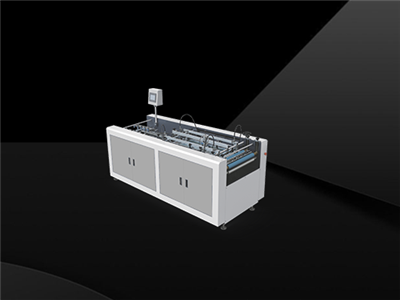
Rigid boxes are typically made from thick cardboard or paperboard materials. These materials are derived from wood pulp, which is a natural substance. The manufacturing process of rigid boxes involves multiple steps, including cutting, grooving, and assembly. We use advanced machinery such as Automatic Cardboard Grooving Machines and Cardboard V Grooving Machines to ensure precision in the production process. The Round Corner Cutting Machine also plays a crucial role in creating the smooth and rounded edges that are characteristic of high - quality rigid boxes.
The basic composition of the cardboard or paperboard used in rigid boxes is cellulose, hemicellulose, and lignin. These components, while providing strength and structure to the boxes, can also be attractive to certain insects. Insects such as termites, booklice, and cockroaches are known to feed on cellulose - based materials. However, the resistance of rigid boxes to these insects depends on several factors.
Factors Affecting Insect Resistance
Material Quality
The quality of the cardboard or paperboard used in rigid boxes is a significant factor in determining their insect resistance. Higher - quality materials are often treated with chemicals or additives during the manufacturing process. These treatments can act as deterrents to insects. For example, some manufacturers use borates, which are toxic to many insects, especially termites. Borates can be incorporated into the pulp during the papermaking process or applied as a surface treatment. When insects come into contact with borate - treated materials, they either avoid them or are killed.
Moisture Content
Moisture is a critical factor that affects the susceptibility of rigid boxes to insect infestations. Insects are attracted to environments with high moisture levels because they need water to survive. If rigid boxes are stored in a damp or humid environment, the cardboard can absorb moisture, making it more appealing to insects. High moisture content can also lead to the growth of mold and fungi on the boxes, which further attracts insects. To prevent this, it is essential to store rigid boxes in a dry environment with proper ventilation. Additionally, some rigid boxes can be treated with moisture - resistant coatings to reduce the risk of moisture absorption.
Sealing and Construction
The way a rigid box is sealed and constructed can also impact its insect resistance. A well - sealed box provides a physical barrier that prevents insects from entering. During the assembly process, proper adhesives and techniques should be used to ensure that there are no gaps or openings where insects can crawl in. For example, using high - quality glue to seal the joints of the box can prevent insects from accessing the contents inside. Moreover, the design of the box, such as the presence of flaps or lids that fit tightly, can also enhance its protective capabilities.
Potential Insect Threats
Termites
Termites are one of the most destructive insects when it comes to cellulose - based materials. They live in colonies and can cause significant damage to rigid boxes if left unchecked. Termites have specialized enzymes in their digestive systems that allow them to break down cellulose. They can tunnel through the cardboard, weakening its structure and potentially destroying the box. In areas where termite infestations are common, it is crucial to use termite - resistant materials or treatments in the production of rigid boxes.
Booklice
Booklice are small, wingless insects that are often found in damp environments. They feed on mold, fungi, and the starch in paper products. While they do not cause as much structural damage as termites, they can still be a nuisance. Booklice can leave behind fecal matter and shed their skins, which can contaminate the contents of the rigid boxes. If a box is infested with booklice, it may also indicate a problem with high moisture levels.
Cockroaches
Cockroaches are another common insect that can be attracted to rigid boxes. They are omnivorous and will eat almost anything, including the glue used in box assembly and the cardboard itself. Cockroaches can carry bacteria and other pathogens, which can pose a risk to the products stored in the boxes. Their presence can also be a sign of poor sanitation in the storage area.
Enhancing Insect Resistance
Chemical Treatments
As mentioned earlier, chemical treatments can be an effective way to enhance the insect resistance of rigid boxes. In addition to borates, other chemicals such as pyrethroids can be used. Pyrethroids are synthetic insecticides that are commonly used in pest control. They work by disrupting the nervous systems of insects, causing paralysis and death. These chemicals can be applied as a surface spray or incorporated into the cardboard during the manufacturing process. However, it is important to ensure that the use of these chemicals complies with relevant safety and environmental regulations.


Physical Barriers
Adding physical barriers to rigid boxes can also improve their insect resistance. For example, using plastic liners inside the boxes can create a barrier that insects cannot penetrate. Plastic liners are also moisture - resistant, which helps to keep the contents of the boxes dry. Another option is to use metal or glass inserts in the boxes, which are not attractive to insects.
Storage and Handling
Proper storage and handling of rigid boxes are essential for maintaining their insect resistance. Boxes should be stored in a clean, dry, and well - ventilated area. They should be kept off the floor and away from walls to prevent moisture accumulation. Regular inspections of the stored boxes can help to detect any signs of insect infestations early. If an infestation is detected, the affected boxes should be removed immediately to prevent the spread of insects to other boxes.
Conclusion
In conclusion, the resistance of rigid boxes to insects is a complex issue that depends on multiple factors, including material quality, moisture content, and construction. While the cellulose - based materials used in rigid boxes can be attractive to certain insects, there are several ways to enhance their protective capabilities. As a rigid box supplier, we are committed to providing high - quality boxes that are resistant to insects. We use the latest manufacturing techniques and materials to ensure that our boxes meet the highest standards of quality and durability.
If you are interested in purchasing rigid boxes for your business, we invite you to contact us for a detailed discussion. Our team of experts can provide you with customized solutions based on your specific requirements. Whether you need boxes for luxury products, electronics, or food items, we have the expertise and resources to meet your needs. Let us work together to create the perfect packaging solution for your products.
References
- Ebeling, W. (1975). Urban Entomology. University of California Press.
- Potter, M. F., & Brumfield, R. G. (2014). Structural Pest Management. Pearson.
- Su, N. Y., & Scheffrahn, R. H. (1990). Biology and control of subterranean termites in the United States. Annual Review of Entomology, 35(1), 279 - 307.