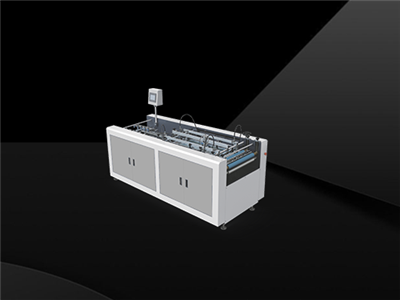

As a seasoned supplier of Rigid Box Making Machines, I've encountered numerous inquiries regarding the power source requirements of these essential industrial tools. Understanding the power needs of a rigid box making machine is crucial for ensuring its efficient operation, longevity, and safety. In this blog post, I'll delve into the key aspects of power source requirements for rigid box making machines, providing valuable insights for potential buyers and operators.
Understanding the Basics of Rigid Box Making Machines
Before we explore the power source requirements, let's briefly understand what a rigid box making machine is and its components. Rigid box making machines are used to manufacture high - quality rigid boxes, which are commonly used for packaging luxury items such as jewelry, watches, cosmetics, and high - end electronics. These machines typically consist of several sub - machines, each with a specific function in the box - making process.
For example, the Four Edge Folding Machine is responsible for folding the edges of the box panels, while the Round Corner Cutting Machine cuts the corners of the panels to create a smooth and professional finish. The Semi Auto Corner Pasting Machine is used to paste the corners of the box, ensuring its structural integrity.
Factors Affecting Power Source Requirements
Several factors influence the power source requirements of a rigid box making machine. These factors must be carefully considered to select the appropriate power supply and ensure the machine's optimal performance.
Machine Size and Complexity
Larger and more complex rigid box making machines generally require more power. Machines with multiple functions and advanced automation features often have more motors, sensors, and control systems, all of which consume electricity. For instance, a fully automated rigid box making line with integrated printing, cutting, folding, and pasting functions will have a much higher power demand compared to a simple manual or semi - automatic machine.
Motor Power
The motors used in rigid box making machines are a major determinant of power consumption. Different motors are used for various operations such as conveyor belts, cutting blades, folding mechanisms, and pasting systems. High - torque motors are required for heavy - duty tasks like cutting thick cardboard or folding large panels, and these motors typically draw more power. The power rating of the motors, usually measured in kilowatts (kW), should be carefully considered when evaluating the overall power requirements of the machine.
Operating Speed
The operating speed of the machine also affects power consumption. Faster - running machines need more power to maintain their speed and perform operations efficiently. For example, a rigid box making machine that can produce a large number of boxes per minute will require more energy compared to a slower - paced machine. However, it's important to note that some modern machines are designed with energy - saving features that can reduce power consumption without sacrificing speed.
Auxiliary Equipment
In addition to the main machine components, auxiliary equipment such as lighting, ventilation, and control panels also contribute to the overall power requirements. Lighting is essential for operators to perform quality checks and maintenance, while ventilation systems are necessary to keep the machine cool and prevent overheating. Control panels, which are used to operate and monitor the machine, also consume a certain amount of power.
Typical Power Source Requirements
The power source requirements of rigid box making machines can vary widely depending on the factors mentioned above. However, here are some general guidelines:
Voltage
Most rigid box making machines operate on standard industrial voltages, such as 220V, 380V, or 440V. The specific voltage requirement depends on the machine's design and the country or region where it will be used. In some cases, machines may be designed to operate on multiple voltages to accommodate different power grids.
Frequency
The frequency of the power supply is another important consideration. In most countries, the standard frequency is either 50Hz or 60Hz. It's crucial to ensure that the machine's power requirements match the frequency of the local power grid. Using a machine with an incompatible frequency can lead to inefficient operation, overheating, and even damage to the machine.
Power Rating
The power rating of a rigid box making machine can range from a few kilowatts for small, semi - automatic machines to several tens of kilowatts for large, fully automated production lines. For example, a small semi - automatic corner pasting machine may have a power rating of around 1 - 2kW, while a large fully automated rigid box making line can have a power rating of 20kW or more.


Ensuring a Stable Power Supply
To ensure the reliable operation of a rigid box making machine, it's essential to have a stable power supply. Fluctuations in voltage or frequency can cause the machine to malfunction, damage its components, and reduce the quality of the finished products. Here are some tips for ensuring a stable power supply:
Use a Voltage Stabilizer
A voltage stabilizer can help regulate the voltage and protect the machine from power surges and dips. It maintains a constant output voltage, even when the input voltage varies. This is particularly important in areas with unstable power grids.
Install a UPS (Uninterruptible Power Supply)
A UPS can provide backup power in case of a power outage. It allows the machine to continue operating for a short period, giving operators enough time to shut down the machine safely and prevent damage to the products in process.
Conduct Regular Power Checks
Regularly checking the power supply for voltage, frequency, and current can help detect any potential issues early. This can be done using a multimeter or other power - monitoring devices. Operators should also ensure that the electrical connections are tight and free from corrosion.
Importance of Energy Efficiency
In today's environmentally conscious world, energy efficiency is a significant consideration for businesses. Using energy - efficient rigid box making machines can not only reduce operating costs but also contribute to a more sustainable manufacturing process. Here are some features to look for in energy - efficient machines:
Variable Frequency Drives (VFDs)
VFDs can adjust the speed of the motors according to the machine's load, reducing power consumption when the machine is operating at a lower capacity. This technology allows the machine to use only the amount of power it needs, resulting in significant energy savings.
Energy - Saving Motors
Modern motors are designed to be more energy - efficient than their predecessors. Look for machines that use high - efficiency motors with low power losses. These motors can reduce the overall power consumption of the machine without sacrificing performance.
Intelligent Control Systems
Intelligent control systems can optimize the machine's operation by adjusting the power consumption based on the production requirements. For example, the system can automatically turn off non - essential components when they are not in use, or adjust the speed of the conveyor belts to match the production flow.
Contact for Procurement and Consultation
If you're in the market for a rigid box making machine and need more information about power source requirements or any other aspects of the machine, I'm here to help. Our team of experts can provide you with detailed specifications, energy - saving solutions, and guidance on selecting the right machine for your specific needs. Don't hesitate to reach out to us for a consultation and start your journey towards efficient and high - quality rigid box production.
References
- Industrial Machinery Handbook: A comprehensive guide to the operation and maintenance of industrial machines, including rigid box making machines.
- Electrical Engineering for Manufacturing: A textbook that covers the principles of electrical power supply and consumption in manufacturing processes.
- Energy - Efficient Manufacturing Practices: Research papers and reports on energy - saving technologies and strategies in the manufacturing industry.