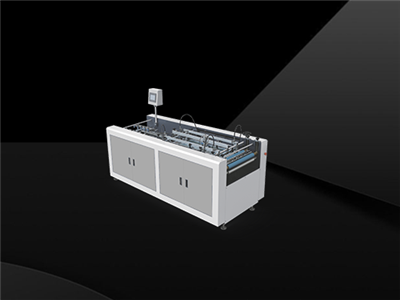

Hey there! As a supplier of box machines, I often get asked about how to adjust the pressure settings of these machines. It's a crucial aspect that can significantly impact the quality of the boxes you produce. So, let's dive right into it and explore the ins and outs of adjusting pressure settings on box machines.


First off, why is adjusting the pressure settings so important? Well, if the pressure is too low, the boxes might not be properly sealed or formed, leading to weak joints and a less durable final product. On the other hand, if the pressure is too high, it can damage the materials, cause excessive wear and tear on the machine, and even result in deformed boxes. So, finding the right balance is key.
The first step in adjusting the pressure settings is to understand the type of box machine you're working with. Different machines have different pressure adjustment mechanisms. For example, some machines use hydraulic systems, while others rely on pneumatic or mechanical systems. Each system has its own set of rules and procedures for adjusting the pressure.
Let's start with hydraulic systems. These are commonly found in heavy-duty box machines and offer precise control over the pressure. To adjust the pressure on a hydraulic box machine, you'll typically need to locate the pressure relief valve. This valve is responsible for regulating the maximum pressure in the system. You can usually find it near the hydraulic pump.
Once you've located the pressure relief valve, you'll need to use a pressure gauge to measure the current pressure. Most hydraulic systems come with a built-in pressure gauge, but if yours doesn't, you can purchase one separately. With the pressure gauge in hand, you can slowly turn the adjustment screw on the pressure relief valve to increase or decrease the pressure. Keep an eye on the pressure gauge as you make the adjustments, and stop when you reach the desired pressure.
Pneumatic systems, on the other hand, use compressed air to generate pressure. These systems are often used in smaller, more lightweight box machines. To adjust the pressure on a pneumatic box machine, you'll need to locate the pressure regulator. This device is usually located near the air compressor and is responsible for controlling the amount of air pressure that reaches the machine.
Similar to hydraulic systems, you'll need to use a pressure gauge to measure the current pressure. Once you have the reading, you can turn the adjustment knob on the pressure regulator to increase or decrease the pressure. Again, make the adjustments slowly and monitor the pressure gauge to ensure you don't overshoot the desired pressure.
Mechanical systems are the simplest and most basic type of pressure adjustment mechanism. These systems typically use a screw or a lever to apply pressure to the box-making components. To adjust the pressure on a mechanical box machine, you'll need to locate the adjustment screw or lever. This is usually located near the area where the pressure is applied, such as the sealing or folding mechanism.
Using a wrench or a screwdriver, you can turn the adjustment screw or lever to increase or decrease the pressure. As with the other systems, it's important to make the adjustments slowly and test the machine to ensure the pressure is just right.
In addition to understanding the type of pressure adjustment mechanism, it's also important to consider the type of materials you're using to make the boxes. Different materials require different levels of pressure to achieve a proper seal or form. For example, thicker and more rigid materials will generally require more pressure than thinner and more flexible materials.
When working with different materials, it's a good idea to start with a lower pressure setting and gradually increase it until you find the optimal pressure. This will help you avoid damaging the materials and ensure a consistent quality across all your boxes.
Another factor to consider when adjusting the pressure settings is the speed of the machine. Faster machines generally require more pressure to maintain a proper seal or form, while slower machines can get by with less pressure. If you're running your box machine at a high speed, you may need to increase the pressure slightly to compensate for the increased force and friction.
Now that we've covered the basics of adjusting the pressure settings on box machines, let's take a look at some common problems you might encounter and how to troubleshoot them.
One common problem is uneven pressure distribution. This can result in some areas of the box being over-pressed while others are under-pressed. To fix this issue, you'll need to check the alignment of the machine's components. Make sure all the rollers, plates, and other parts are properly aligned and parallel to each other. You may also need to adjust the pressure settings on individual components to ensure a more even distribution of pressure.
Another problem is excessive noise or vibration. This can be a sign of too much pressure or a misaligned component. If you notice excessive noise or vibration, stop the machine immediately and check the pressure settings. If the pressure is too high, reduce it slightly and test the machine again. If the problem persists, you may need to inspect the machine for any loose or damaged parts and make the necessary repairs.
Finally, if you're having trouble getting a proper seal or form on your boxes, it could be due to a dirty or worn-out sealing or folding mechanism. Over time, these components can accumulate dirt, debris, and adhesive residue, which can affect their performance. To fix this issue, you'll need to clean the sealing and folding mechanisms regularly using a suitable cleaning solution and a soft cloth. You may also need to replace any worn-out parts to ensure optimal performance.
In conclusion, adjusting the pressure settings of box machines is a crucial step in ensuring the quality and durability of your boxes. By understanding the type of pressure adjustment mechanism, considering the type of materials and the speed of the machine, and troubleshooting any common problems, you can achieve the perfect pressure for your specific needs.
If you're in the market for a new box machine or need to upgrade your existing one, be sure to check out our range of Automatic Tape Pasting Machine, Semi Auto Corner Pasting Machine, and Automatic Cardboard Grooving Machines. Our machines are designed to provide precise control over the pressure settings and deliver high-quality boxes every time.
If you have any questions or need further assistance with adjusting the pressure settings of your box machine, don't hesitate to contact us. We're here to help you get the most out of your box-making equipment and ensure your business runs smoothly.
References
- Box Machine Operator's Manuals
- Industry Best Practices for Box Manufacturing