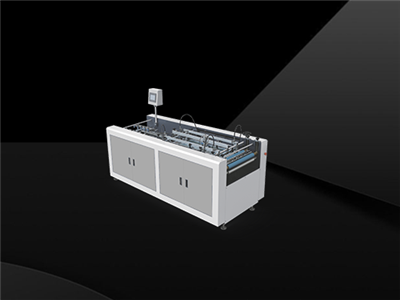

As a seasoned supplier of box machines, I've witnessed firsthand the critical role that transportation plays in ensuring these machines reach our customers in perfect condition. Box machines, whether they are Automatic Box Making Machine, Automatic Tape Pasting Machine, or Rigid Box Forming Machines, are complex pieces of equipment that require careful handling during transit. In this blog, I'll delve into the transportation requirements for box machines, sharing insights and best practices based on my years of experience in the industry.


Understanding the Nature of Box Machines
Before we dive into the transportation requirements, it's essential to understand the nature of box machines. These machines are typically large, heavy, and fragile, with delicate components that can be easily damaged if not handled properly. They are also often customized to meet the specific needs of our customers, which means they may have unique dimensions and configurations that require special attention during transportation.
For example, a Rigid Box Forming Machine may be equipped with advanced automation systems and precision tools that need to be protected from vibration, shock, and moisture. Similarly, an Automatic Tape Pasting Machine may have sensitive sensors and control panels that can be affected by temperature and humidity changes.
Packaging Requirements
Proper packaging is the first line of defense in protecting box machines during transportation. The packaging should be designed to withstand the rigors of transit, including handling, stacking, and exposure to the elements. Here are some key packaging requirements to consider:
- Robust Crating: Box machines should be packed in sturdy wooden crates that are designed to provide maximum protection. The crates should be constructed from high-quality lumber and reinforced with metal straps or braces to prevent damage during handling and shipping.
- Shock Absorption: To protect the machine from vibration and shock, it's important to use shock-absorbing materials such as foam, rubber, or airbags. These materials can help to cushion the machine and reduce the risk of damage during transit.
- Moisture Protection: Moisture can cause rust and corrosion, which can damage the machine's components. To prevent moisture damage, the machine should be wrapped in a moisture-resistant material such as plastic or aluminum foil. Desiccants can also be placed inside the crate to absorb any moisture that may accumulate during transit.
- Labeling: The crate should be clearly labeled with the machine's name, model number, weight, and dimensions. It should also include handling instructions, such as "This Side Up" and "Fragile," to ensure that the machine is handled properly during transportation.
Loading and Unloading Requirements
Loading and unloading box machines require specialized equipment and techniques to ensure the safety of the machine and the personnel involved. Here are some key loading and unloading requirements to consider:
- Proper Equipment: The loading and unloading process should be carried out using appropriate equipment, such as forklifts, cranes, or pallet jacks. The equipment should be in good working condition and operated by trained personnel.
- Secure Attachment: The machine should be securely attached to the loading equipment to prevent it from shifting or falling during transit. This can be achieved using straps, chains, or other fastening devices.
- Careful Handling: The machine should be handled with care during loading and unloading to avoid damage. This includes avoiding sudden movements, drops, or impacts.
- Inspection: Before and after loading and unloading, the machine should be inspected for any signs of damage. Any damage should be documented and reported immediately to the appropriate parties.
Transportation Mode
The choice of transportation mode depends on several factors, including the size and weight of the machine, the distance to be traveled, and the delivery time requirements. Here are some common transportation modes for box machines:
- Trucking: Trucking is a popular transportation mode for box machines, especially for short to medium distances. Trucks offer flexibility and can deliver the machine directly to the customer's location. However, they may be subject to traffic delays and weight restrictions.
- Rail: Rail transportation is a cost-effective option for long-distance shipping of box machines. Railroads can handle large and heavy loads and offer reliable service. However, rail transportation may require additional handling and transfer at intermediate points, which can increase the risk of damage.
- Ocean Freight: Ocean freight is the preferred transportation mode for international shipments of box machines. It offers the ability to transport large and heavy loads over long distances at a relatively low cost. However, ocean freight may be subject to longer transit times and customs clearance procedures.
Insurance Requirements
Transporting box machines involves a certain degree of risk, and it's important to have adequate insurance coverage to protect against potential losses. Here are some key insurance requirements to consider:
- Cargo Insurance: Cargo insurance provides coverage for the loss or damage of the machine during transportation. It's important to purchase cargo insurance that covers the full value of the machine and includes coverage for all modes of transportation.
- Liability Insurance: Liability insurance provides coverage for any damage or injury caused by the machine during transportation. It's important to have liability insurance to protect against potential legal claims.
- Documentation: When purchasing insurance, it's important to obtain a copy of the insurance policy and ensure that it includes all the necessary coverage and terms. The policy should also be reviewed carefully to understand the exclusions and limitations.
Delivery and Installation
Once the box machine has arrived at its destination, it's important to ensure that it is delivered and installed properly. Here are some key delivery and installation requirements to consider:
- Delivery Appointment: The customer should be notified in advance of the delivery date and time to ensure that someone is available to receive the machine. A delivery appointment should be scheduled to ensure that the machine is delivered at a convenient time.
- Installation Services: Many box machine suppliers offer installation services to ensure that the machine is installed correctly and operates properly. Installation services may include unpacking, assembly, testing, and training.
- Commissioning: After the machine is installed, it should be commissioned to ensure that it is operating correctly. Commissioning may include testing the machine's functions, adjusting the settings, and calibrating the sensors.
- Training: The customer's personnel should be trained on how to operate and maintain the machine. Training may include hands-on instruction, manuals, and online resources.
Conclusion
Transporting box machines requires careful planning and attention to detail to ensure that the machine reaches the customer in perfect condition. By following the transportation requirements outlined in this blog, you can minimize the risk of damage and ensure a smooth and successful delivery. If you have any questions or need further information about the transportation requirements for box machines, please don't hesitate to contact us. We're here to help you with all your box machine needs.
If you're interested in purchasing box machines, we invite you to contact us to discuss your requirements. Our team of experts will be happy to provide you with more information about our products and services and help you find the right solution for your business.
References
- "Packaging Guidelines for Industrial Equipment," International Safe Transit Association (ISTA).
- "Transportation Safety Regulations," Department of Transportation (DOT).
- "Cargo Insurance Best Practices," Insurance Information Institute (III).