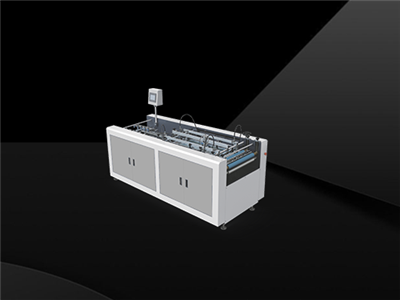

When it comes to the production of rigid boxes, using a rigid box machine efficiently and safely is of utmost importance. As a supplier of Rigid Box Machines, I understand the significance of safety precautions in the operation of these machines. Rigid box machines are complex pieces of equipment that can enhance productivity and quality in box manufacturing, but they also pose certain risks if not used properly. In this blog, I will discuss the key safety precautions that should be taken when using a rigid box machine.
Pre - operation Safety Checks
Before starting the rigid box machine, a series of pre - operation safety checks are essential. First and foremost, inspect the machine's physical condition. Check for any visible signs of damage, such as cracks in the frame, loose parts, or frayed wires. A damaged machine can not only malfunction but also pose a serious safety hazard. For example, a loose part could fly off during operation and cause injury to the operator or nearby personnel.
Next, examine the electrical system. Ensure that all electrical connections are secure and that there are no exposed wires. Faulty electrical connections can lead to short - circuits, electrical shocks, or even fires. It is also important to verify that the machine is properly grounded. Grounding helps to prevent electrical charges from building up on the machine and protects the operator from potential shocks.
The lubrication system of the rigid box machine should also be checked. Adequate lubrication is necessary to ensure smooth operation and to prevent excessive wear and tear on the machine's moving parts. Check the oil levels and make sure that the lubrication points are clean and free from debris. Insufficient lubrication can cause the machine to overheat, which may lead to mechanical failures and safety issues.
Operator Training
Proper operator training is crucial for the safe use of a rigid box machine. Operators should be thoroughly trained on the machine's operation, including how to start and stop the machine, how to adjust its settings, and how to load and unload materials. They should also be familiar with the machine's safety features and how to use them effectively.
For instance, many modern rigid box machines are equipped with emergency stop buttons. Operators need to know the location of these buttons and be able to use them immediately in case of an emergency. Training should also cover the proper use of personal protective equipment (PPE). PPE such as safety glasses, gloves, and earplugs can protect operators from various hazards, including flying debris, sharp edges, and loud noises.
In addition to initial training, ongoing training and refresher courses should be provided to keep operators updated on the latest safety procedures and machine operation techniques. As technology advances, rigid box machines may be upgraded with new features and functions, and operators need to be trained to use these new capabilities safely.
Machine Operation Safety
During the operation of the rigid box machine, several safety precautions should be followed. Firstly, operators should always stand in a safe position. Avoid standing too close to the moving parts of the machine, such as the conveyor belts, folding mechanisms, and cutting blades. These parts can cause serious injuries if an operator's clothing, hair, or body comes into contact with them.
When loading and unloading materials, use proper techniques. Do not overload the machine beyond its recommended capacity. Overloading can cause the machine to malfunction and may also lead to structural damage. Make sure that the materials are properly aligned and secured before starting the machine. Misaligned materials can cause jams, which may require the operator to stop the machine and clear the blockage. This process can be dangerous if not done correctly.
It is also important to monitor the machine's operation closely. Pay attention to any unusual noises, vibrations, or smells. These could be signs of a potential problem with the machine. If any abnormal conditions are detected, stop the machine immediately and investigate the cause. Continuing to operate a malfunctioning machine can lead to more serious safety issues and may also cause damage to the machine itself.
Maintenance and Inspection
Regular maintenance and inspection of the rigid box machine are essential for its safe and efficient operation. A maintenance schedule should be established and followed strictly. This schedule should include tasks such as cleaning the machine, replacing worn - out parts, and checking the calibration of the machine's sensors and controls.
During maintenance, ensure that the machine is turned off and unplugged to prevent accidental startup. Use only the recommended tools and replacement parts for the machine. Using improper tools or parts can not only damage the machine but also compromise its safety.
Inspection should be carried out at regular intervals to identify any potential safety hazards. This includes checking the machine's safety guards and interlocks. Safety guards are designed to prevent access to dangerous parts of the machine, and interlocks are used to stop the machine if a guard is opened or removed. Make sure that these safety features are in good working condition and are not bypassed.
Safety Precautions for Different Types of Rigid Box Machines
There are various types of rigid box machines, each with its own set of safety considerations. For example, the Automatic Rigid Box Forming Machine is used to form the basic shape of the rigid box. When operating this machine, pay special attention to the folding and gluing mechanisms. These parts can be hot, especially if the machine uses heat - activated glue. Operators should avoid touching these parts to prevent burns.
The Four Edge Folding Machine is used to fold the edges of the rigid box. This machine has sharp cutting blades and fast - moving folding parts. Operators should keep their hands and fingers away from these areas and use the appropriate safety guards provided.
The Automatic Corner Pasting Machine is responsible for pasting the corners of the rigid box. When using this machine, be careful with the glue application system. Some glues can be toxic or cause skin irritation, so operators should wear appropriate gloves and follow the safety instructions for handling the glue.
Emergency Preparedness
Despite taking all the necessary safety precautions, emergencies can still occur. Therefore, it is important to have an emergency preparedness plan in place. This plan should include procedures for dealing with various types of emergencies, such as fires, electrical shocks, and machine malfunctions.
Emergency exits should be clearly marked and kept unobstructed. Fire extinguishers and first - aid kits should be readily available in the work area. All operators should be trained on how to use these emergency equipment. In addition, regular emergency drills should be conducted to ensure that all employees know what to do in case of an emergency.
Conclusion
In conclusion, safety is a top priority when using a rigid box machine. By following the safety precautions outlined in this blog, including pre - operation checks, operator training, proper machine operation, regular maintenance, and emergency preparedness, the risks associated with using these machines can be significantly reduced.


As a supplier of Rigid Box Machines, I am committed to providing high - quality machines and also to ensuring the safety of our customers. If you are interested in our Automatic Rigid Box Forming Machine, Four Edge Folding Machine, or Automatic Corner Pasting Machine, please feel free to contact us for more information and to discuss your specific requirements. We are here to help you make the most of your rigid box production while ensuring a safe working environment.
References
- Industrial Machinery Safety Standards Handbook
- Manufacturer's Operation and Maintenance Manuals for Rigid Box Machines
- Occupational Safety and Health Administration (OSHA) Guidelines for Machine Safety