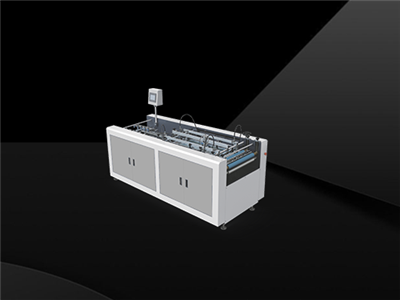

Hey there! I'm a supplier of box machines, and I know how crucial it is to train operators to use these machines effectively. In this blog, I'll share some tips and strategies that have worked well for me over the years.
First off, let's talk about the importance of proper training. When operators are well - trained, they can produce high - quality boxes more efficiently, reduce downtime due to errors, and even enhance workplace safety. It's a win - win situation for everyone involved in the box - making process.
Understanding the Machines
Before you can train operators, you need to make sure they understand the machines they'll be working with. We offer a range of machines, like the Automatic Corner Pasting Machine, Automatic Rigid Box Forming Machine, and Rigid Box Wrapping Machines. Each machine has its own unique features and functions.
For example, the Automatic Corner Pasting Machine is designed to precisely paste the corners of boxes. Operators need to know how to load the materials correctly, set the right paste amount, and adjust the speed according to the box size and material. The Automatic Rigid Box Forming Machine, on the other hand, creates the basic structure of the rigid boxes. It's important for operators to understand the different molds and settings for various box shapes and sizes. And the Rigid Box Wrapping Machines are all about giving the boxes a nice finish by wrapping them with paper or other materials.
Hands - on Training
I believe that hands - on training is the most effective way to teach operators. It's one thing to read a manual or watch a video, but it's another thing entirely to actually operate the machine. When I train new operators, I start with a simple task on the machine. For instance, if it's the Automatic Corner Pasting Machine, I'll have them load a small batch of pre - cut box corners and start the machine at a slow speed.
As they get more comfortable, I gradually increase the complexity of the tasks. I'll ask them to adjust the paste amount and see how it affects the quality of the pasted corners. This way, they can learn from their mistakes in a controlled environment. I also encourage them to ask questions at any time. There's no such thing as a stupid question when it comes to learning how to operate these machines.
Safety First
Safety should always be a top priority when training operators. Box machines can be dangerous if not used properly. I make sure that all operators are aware of the safety protocols before they even touch the machines. This includes wearing the appropriate safety gear, like gloves and safety glasses.
I also show them how to stop the machine in case of an emergency. For example, every machine has an emergency stop button, and operators need to know exactly where it is and how to use it. During the training, I'll simulate some emergency situations so that they can practice hitting the stop button quickly.
Regular Refresher Courses
Box machine technology is constantly evolving, and new features and improvements are being made all the time. That's why I recommend regular refresher courses for operators. These courses can be short, maybe just a few hours every few months.
During these refresher courses, I introduce the operators to any new features of the machines. I also review the basic operating procedures and safety protocols. It's a great way to keep their skills sharp and ensure that they're always using the machines to their full potential.
Documentation and Manuals
Good documentation is essential for training operators. Each machine comes with a detailed manual that explains how to operate it, how to perform maintenance, and what to do in case of common problems. I make sure that operators have easy access to these manuals.


I also encourage them to take notes during the training. This way, they can refer back to their notes when they're working on the machines later. And if there's something they don't understand in the manual, they can always come to me or other experienced operators for help.
Teamwork and Communication
In a box - making factory, teamwork and communication are key. Operators need to work together to ensure that the production process runs smoothly. For example, if one operator notices a problem with a machine, they need to communicate it to the rest of the team right away.
During the training, I emphasize the importance of teamwork. I set up some group activities where operators have to work together to complete a task on the machines. This helps them build trust and learn how to communicate effectively.
Real - World Scenarios
To make the training more practical, I like to introduce real - world scenarios. For example, I'll give them a batch of boxes with a tight deadline. They have to figure out how to operate the machines efficiently to meet the deadline without sacrificing quality.
This kind of training helps them develop problem - solving skills. They'll learn how to make quick decisions when faced with challenges, like a machine breakdown or a shortage of materials.
Monitoring and Feedback
Once the operators start working on their own, I monitor their performance closely. I use key performance indicators (KPIs) like the number of boxes produced per hour, the quality of the boxes, and the number of machine breakdowns.
I provide regular feedback to the operators. If they're doing well, I give them positive feedback and encourage them to keep it up. If there are areas that need improvement, I work with them to come up with a plan to address the issues.
Conclusion
Training operators to use box machines effectively is a long - term process. It requires a combination of hands - on training, safety education, regular refresher courses, and good communication. By following these tips, you can ensure that your operators are well - trained and can produce high - quality boxes efficiently.
If you're interested in our box machines or need more information about our training programs, feel free to reach out. We're always happy to have a chat and discuss how we can help you improve your box - making operations.
References
- Industry best practices for box machine operation
- Internal training materials and manuals provided by the box machine manufacturer