
Do rigid boxes have a low carbon footprint?
As a supplier of rigid boxes, I've often been asked about the environmental impact of our products. One of the most common questions is whether rigid boxes have a low carbon footprint. In this blog post, I'll explore this topic in depth, looking at the various factors that contribute to the carbon footprint of rigid boxes and discussing ways to minimize their environmental impact.
Understanding the Carbon Footprint of Rigid Boxes
The carbon footprint of a product refers to the total amount of greenhouse gases, primarily carbon dioxide (CO2), emitted during its life cycle. This includes the extraction and processing of raw materials, manufacturing, transportation, use, and disposal. To determine whether rigid boxes have a low carbon footprint, we need to examine each of these stages.
Raw Materials
The primary raw material for rigid boxes is paperboard, which is typically made from wood pulp. The carbon footprint of paperboard production depends on several factors, including the source of the wood, the manufacturing process, and the energy used.
- Sustainable Forestry: Using wood from sustainably managed forests can significantly reduce the carbon footprint of paperboard production. Sustainable forestry practices ensure that trees are harvested in a way that maintains the health and productivity of the forest, while also sequestering carbon dioxide from the atmosphere.
- Recycled Paperboard: Using recycled paperboard is another effective way to reduce the carbon footprint of rigid boxes. Recycling paperboard reduces the demand for virgin wood pulp, which in turn reduces the energy and water consumption associated with paperboard production.
- Manufacturing Process: The manufacturing process for paperboard also plays a role in its carbon footprint. Energy-efficient manufacturing processes, such as those that use renewable energy sources, can significantly reduce the carbon emissions associated with paperboard production.
Manufacturing
The manufacturing process for rigid boxes involves several steps, including cutting, folding, gluing, and finishing. Each of these steps requires energy, which contributes to the carbon footprint of the boxes.
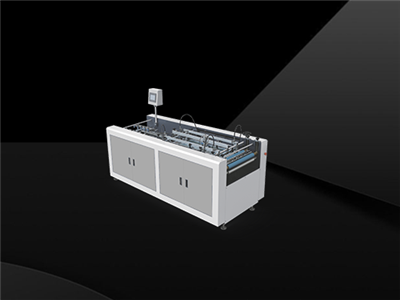
- Energy Efficiency: Using energy-efficient equipment and processes can help reduce the energy consumption and carbon emissions associated with rigid box manufacturing. For example, Four Edge Folding Machine and Rigid Box Forming Machines are designed to operate with minimal energy consumption, while also improving the quality and efficiency of the manufacturing process.
- Renewable Energy: Using renewable energy sources, such as solar or wind power, to power the manufacturing process can further reduce the carbon footprint of rigid boxes. Many rigid box manufacturers are investing in renewable energy systems to reduce their reliance on fossil fuels and lower their carbon emissions.
- Lean Manufacturing: Implementing lean manufacturing principles, such as reducing waste and optimizing production processes, can also help reduce the carbon footprint of rigid box manufacturing. By minimizing waste and improving efficiency, manufacturers can reduce the energy and resources required to produce each box.
Transportation
The transportation of rigid boxes from the manufacturer to the customer also contributes to their carbon footprint. The distance traveled, the mode of transportation, and the fuel efficiency of the vehicles all play a role in determining the carbon emissions associated with transportation.


- Local Sourcing: Sourcing rigid boxes from local manufacturers can help reduce the carbon emissions associated with transportation. By reducing the distance traveled, local sourcing can also improve the responsiveness and flexibility of the supply chain, while also supporting the local economy.
- Efficient Transportation: Using efficient transportation modes, such as rail or sea freight, can also help reduce the carbon emissions associated with transportation. These modes of transportation are generally more fuel-efficient than road transportation, and they can also carry larger volumes of goods, which reduces the number of trips required.
- Route Optimization: Optimizing the transportation routes can also help reduce the carbon emissions associated with transportation. By using advanced routing software and real-time traffic information, manufacturers can identify the most efficient routes and avoid congested areas, which can reduce the fuel consumption and carbon emissions of the vehicles.
Use and Disposal
The use and disposal of rigid boxes also contribute to their carbon footprint. The way in which the boxes are used, the length of their useful life, and the method of disposal all play a role in determining the carbon emissions associated with these stages.
- Reusable Boxes: Designing rigid boxes for reuse can help reduce the carbon footprint of their use. By using high-quality materials and durable construction, manufacturers can create boxes that can be used multiple times, which reduces the demand for new boxes and the associated carbon emissions.
- Recycling: Recycling rigid boxes at the end of their useful life is another effective way to reduce their carbon footprint. Recycling paperboard reduces the demand for virgin wood pulp, which in turn reduces the energy and water consumption associated with paperboard production.
- Composting: Composting rigid boxes made from biodegradable materials, such as paper or cardboard, is another option for reducing their carbon footprint. Composting these materials returns them to the soil, where they can be used as a natural fertilizer, while also reducing the amount of waste sent to landfills.
Minimizing the Carbon Footprint of Rigid Boxes
Based on the above analysis, it's clear that rigid boxes can have a relatively low carbon footprint if they are produced and used in an environmentally responsible manner. Here are some tips for minimizing the carbon footprint of rigid boxes:
- Choose Sustainable Materials: Use paperboard made from sustainably managed forests or recycled materials, and avoid using materials that are derived from non-renewable resources.
- Optimize Manufacturing Processes: Use energy-efficient equipment and processes, such as Automatic Box Making Machine, and invest in renewable energy sources to power the manufacturing process.
- Reduce Transportation Emissions: Source rigid boxes from local manufacturers, use efficient transportation modes, and optimize the transportation routes to reduce the carbon emissions associated with transportation.
- Design for Reuse and Recycling: Design rigid boxes for reuse and recycling, and encourage customers to recycle the boxes at the end of their useful life.
- Implement Lean Manufacturing Principles: Implement lean manufacturing principles, such as reducing waste and optimizing production processes, to improve the efficiency and sustainability of the manufacturing process.
Conclusion
In conclusion, rigid boxes can have a relatively low carbon footprint if they are produced and used in an environmentally responsible manner. By choosing sustainable materials, optimizing manufacturing processes, reducing transportation emissions, designing for reuse and recycling, and implementing lean manufacturing principles, we can minimize the environmental impact of rigid boxes and contribute to a more sustainable future.
As a supplier of rigid boxes, we are committed to providing our customers with high-quality, sustainable packaging solutions that meet their needs while also minimizing their environmental impact. If you're interested in learning more about our rigid boxes or discussing your packaging requirements, please contact us to schedule a consultation. We look forward to working with you to create a packaging solution that is both effective and environmentally responsible.
References
- "Life Cycle Assessment of Paper and Paperboard Packaging." European Federation of Corrugated Board Manufacturers (FEFCO), 2019.
- "Sustainable Packaging: A Guide for Businesses." United Nations Environment Programme (UNEP), 2020.
- "The Carbon Footprint of Paper and Packaging." World Wildlife Fund (WWF), 2021.