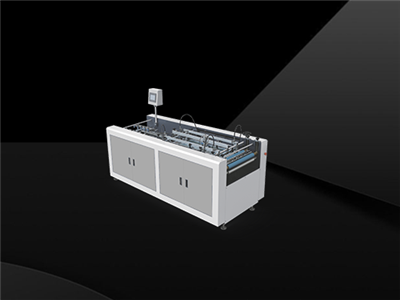

As a seasoned supplier of box machines, I've witnessed firsthand the crucial role these machines play in various industries. From packaging companies to small businesses looking to enhance their product presentation, box machines are indispensable. However, like any mechanical equipment, they are prone to failures. In this blog, I'll share some valuable insights on how to handle the mechanical failures of box machines effectively.
Understanding the Common Types of Mechanical Failures
Before delving into the solutions, it's essential to understand the common types of mechanical failures that box machines may encounter. Some of the most prevalent issues include:
- Motor Failures: Motors are the heart of box machines, providing the power needed to drive various components. Over time, motors can experience wear and tear, leading to issues such as overheating, abnormal noises, or complete failure.
- Belt and Chain Problems: Belts and chains are responsible for transmitting power and motion within the machine. If they become loose, worn, or misaligned, it can result in reduced performance, slipping, or even breakage.
- Lubrication Issues: Proper lubrication is crucial for the smooth operation of box machines. Insufficient or improper lubrication can cause increased friction, wear, and heat generation, leading to premature component failure.
- Sensor Malfunctions: Many modern box machines are equipped with sensors to monitor various parameters such as position, speed, and temperature. A malfunctioning sensor can cause the machine to operate incorrectly or stop working altogether.
- Electrical Problems: Electrical issues, such as short circuits, loose connections, or faulty wiring, can disrupt the normal operation of the machine and pose a safety hazard.
Preventive Maintenance: The Key to Avoiding Failures
The best way to handle mechanical failures is to prevent them from occurring in the first place. Implementing a comprehensive preventive maintenance program can significantly reduce the risk of breakdowns and extend the lifespan of your box machines. Here are some essential preventive maintenance tasks:
- Regular Inspections: Conduct routine inspections of the machine to check for signs of wear, damage, or loose components. Pay close attention to critical areas such as motors, belts, chains, and sensors.
- Lubrication: Follow the manufacturer's recommendations for lubrication intervals and use the appropriate lubricants. Ensure that all moving parts are properly lubricated to reduce friction and wear.
- Cleaning: Keep the machine clean and free of debris, dust, and dirt. Regularly clean the work area and remove any accumulated waste to prevent it from interfering with the machine's operation.
- Calibration: Periodically calibrate the machine to ensure accurate and consistent performance. This includes checking and adjusting the settings for speed, pressure, and other parameters.
- Training: Provide proper training to your operators on how to operate the machine correctly and perform basic maintenance tasks. Well-trained operators are more likely to detect and address potential issues early on.
Troubleshooting and Repairing Mechanical Failures
Despite your best efforts, mechanical failures may still occur. When this happens, it's important to act quickly to minimize downtime and prevent further damage. Here are some steps to follow when troubleshooting and repairing box machine failures:
- Identify the Problem: The first step is to accurately identify the root cause of the failure. This may involve conducting a visual inspection, checking the error codes, or using diagnostic tools.
- Refer to the Manual: Consult the machine's user manual for troubleshooting guides and repair instructions. The manual may provide valuable information on common problems and their solutions.
- Isolate the Faulty Component: Once you've identified the problem, isolate the faulty component and determine whether it can be repaired or needs to be replaced. If you're unsure, seek the advice of a qualified technician.
- Replace or Repair the Component: If the component is damaged beyond repair, replace it with a new one. Make sure to use genuine parts recommended by the manufacturer to ensure compatibility and optimal performance. If the component can be repaired, follow the appropriate repair procedures.
- Test the Machine: After replacing or repairing the faulty component, test the machine to ensure that it's working properly. Conduct a series of test runs and check for any abnormal noises, vibrations, or performance issues.
When to Seek Professional Help
While some mechanical failures can be resolved by in-house maintenance staff, there are times when it's best to seek the assistance of a professional technician. Here are some situations where professional help may be required:
- Complex Repairs: If the problem involves complex electrical or mechanical systems, or if you're unsure how to proceed, it's advisable to call in a professional. They have the expertise and specialized tools to diagnose and repair the issue safely and effectively.
- Warranty Coverage: If your machine is still under warranty, it's important to follow the manufacturer's guidelines for repairs. Attempting to repair the machine yourself or using non-genuine parts may void the warranty.
- Safety Concerns: Electrical or mechanical failures can pose a safety hazard. If you're unsure about the safety of the machine or if you're dealing with a potentially dangerous situation, do not attempt to repair it yourself. Instead, contact a professional technician immediately.
Conclusion
Handling the mechanical failures of box machines requires a combination of preventive maintenance, troubleshooting skills, and timely repairs. By implementing a comprehensive preventive maintenance program, regularly inspecting and maintaining your machines, and acting quickly when problems arise, you can minimize downtime, reduce repair costs, and ensure the reliable operation of your box machines.


If you're in the market for high-quality box machines, we offer a wide range of products, including Automatic Rigid Box Forming Machine, Rigid Box Wrapping Machines, and Automatic Box Making Machine. Our machines are designed to meet the diverse needs of our customers and are backed by our commitment to quality and customer service.
If you have any questions or would like to discuss your specific requirements, please don't hesitate to contact us. We look forward to the opportunity to work with you and help you find the perfect box machine solution for your business.
References
- Manufacturer's user manuals for box machines
- Industry best practices for mechanical equipment maintenance and repair
- Technical articles and resources on box machine technology and troubleshooting