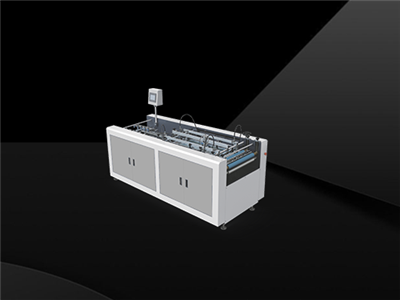

Ensuring the consistency of box quality in a rigid box machine is a crucial aspect for any business involved in rigid box production. As a seasoned supplier of Rigid Box Machines, I've witnessed firsthand the challenges that manufacturers face in maintaining uniform quality across their production lines. In this blog post, I'll share some key strategies and insights on how to achieve and sustain high - quality, consistent rigid boxes using our machines.
1. Machine Calibration and Maintenance
The foundation of consistent box quality lies in proper machine calibration and regular maintenance. A rigid box machine consists of multiple components such as the Automatic Corner Pasting Machine, Four Edge Folding Machine, and Automatic Tape Pasting Machine. Each of these components must be calibrated precisely to work in harmony.


Calibration involves setting the correct parameters for factors like pressure, speed, and alignment. For example, in the corner pasting process, if the pressure is too high, it may cause the paste to squeeze out and create a messy appearance. On the other hand, insufficient pressure may result in weak corners that are prone to separation. Regularly checking and adjusting these parameters can significantly improve the quality consistency of the boxes.
Maintenance is equally important. Over time, the moving parts of the machine can wear out, leading to inaccuracies in the production process. Simple tasks like lubricating the gears, cleaning the sensors, and replacing worn - out belts can prevent breakdowns and ensure that the machine operates at its optimal level. A well - maintained machine is more likely to produce boxes with consistent dimensions, smooth edges, and strong joints.
2. Quality of Raw Materials
The quality of the raw materials used in rigid box production has a direct impact on the final product. High - quality cardboard, paperboard, and adhesives are essential for creating durable and aesthetically pleasing boxes. When sourcing raw materials, it's important to work with reliable suppliers who can provide consistent quality.
Inconsistent raw materials can lead to a variety of problems. For instance, if the cardboard has uneven thickness, it can cause issues during the folding and pasting processes. The box may not fold properly, resulting in misaligned corners or edges. Similarly, low - quality adhesives may not bond well, leading to boxes that fall apart easily.
Before using any new batch of raw materials, it's advisable to conduct quality control checks. This can include measuring the thickness, weight, and strength of the cardboard, as well as testing the adhesive's bonding properties. By ensuring the consistency of the raw materials, you can minimize the variability in the final box quality.
3. Operator Training
Even the most advanced rigid box machine requires skilled operators to achieve consistent quality. Proper training is essential for operators to understand the machine's functions, settings, and safety procedures. A well - trained operator can identify and address potential issues before they become major problems.
Training should cover all aspects of the machine's operation, from loading the raw materials to adjusting the settings for different box sizes and styles. Operators should also be trained in quality control techniques, such as inspecting the boxes for defects during the production process. By empowering operators with the necessary knowledge and skills, you can improve the overall quality and consistency of the production.
In addition to initial training, ongoing training and refresher courses are also important. As technology evolves and new features are added to the machines, operators need to stay updated to make the most of the equipment. Regular training sessions can also help reinforce good practices and ensure that all operators are following the same standards.
4. Quality Control Checks
Implementing a comprehensive quality control system is crucial for ensuring the consistency of box quality. Quality control checks should be carried out at every stage of the production process, from the raw materials to the finished product.
At the raw material stage, as mentioned earlier, checks should be made to ensure the quality and consistency of the cardboard, paperboard, and adhesives. During the production process, operators should regularly inspect the boxes for defects such as misaligned corners, uneven edges, or weak joints. This can be done visually or with the help of measuring tools.
Once the boxes are finished, a final quality control check should be conducted. This can include checking the dimensions, appearance, and functionality of the boxes. Boxes that do not meet the quality standards should be rejected and either reworked or discarded. By having strict quality control measures in place, you can ensure that only high - quality boxes are delivered to the customers.
5. Data Analysis and Process Improvement
Collecting and analyzing data from the production process can provide valuable insights into areas that need improvement. By tracking key performance indicators (KPIs) such as production speed, defect rate, and material usage, you can identify trends and patterns that may affect the quality consistency of the boxes.
For example, if the defect rate increases suddenly, data analysis can help you determine the root cause. It could be due to a change in the raw materials, a malfunction in the machine, or an error made by the operator. Once the root cause is identified, appropriate actions can be taken to address the issue and prevent it from happening again.
Process improvement is an ongoing effort. By continuously analyzing the data and making adjustments to the production process, you can optimize the machine's performance and improve the quality consistency of the boxes. This can lead to increased customer satisfaction, reduced waste, and improved profitability.
6. Standard Operating Procedures (SOPs)
Establishing standard operating procedures (SOPs) is essential for ensuring consistency in rigid box production. SOPs provide a clear set of instructions for operators to follow, from the start of the production process to the end. They cover all aspects of the machine's operation, including setup, operation, maintenance, and quality control.
By having well - defined SOPs, you can minimize the variability in the production process. All operators will follow the same procedures, which helps to ensure that the boxes are produced with consistent quality. SOPs should be regularly reviewed and updated to reflect any changes in the machine, raw materials, or production requirements.
7. Environmental Factors
Environmental factors such as temperature and humidity can also affect the quality of rigid boxes. High humidity can cause the cardboard to absorb moisture, making it softer and more prone to warping. On the other hand, low humidity can make the cardboard brittle and more likely to crack.
It's important to control the environmental conditions in the production area. This can be achieved by using air conditioning and dehumidifiers to maintain a stable temperature and humidity level. By creating a consistent environment, you can reduce the impact of environmental factors on the box quality.
Conclusion
Ensuring the consistency of box quality in a rigid box machine requires a comprehensive approach that involves machine calibration and maintenance, using high - quality raw materials, training skilled operators, implementing quality control checks, analyzing data for process improvement, establishing standard operating procedures, and controlling environmental factors. By paying attention to these aspects, you can produce rigid boxes with consistent quality that meet the expectations of your customers.
If you're interested in improving the quality consistency of your rigid box production or are in the market for a new Rigid Box Machine, I encourage you to get in touch. We're here to provide you with the best solutions and support to help you achieve your production goals.
References
- "Rigid Box Manufacturing: Best Practices and Quality Control" - Industry Report
- "Advanced Techniques for Machine Calibration in Packaging Production" - Journal of Packaging Technology
- "Operator Training and Its Impact on Product Quality in Manufacturing" - Manufacturing Management Journal