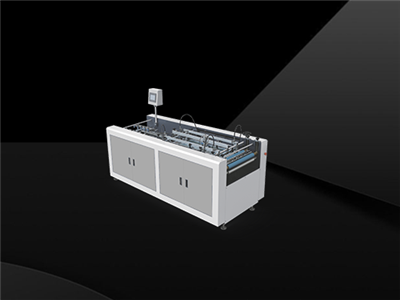

As a supplier of Rigid Box Machines, I often encounter inquiries from customers about various aspects of these machines, including environmental requirements. In this blog post, I will delve into the environmental considerations associated with using a rigid box machine and how our products align with sustainable practices.
Energy Efficiency
One of the primary environmental concerns in operating a rigid box machine is energy consumption. Modern rigid box machines are designed with energy - saving features to minimize their carbon footprint. Our machines are equipped with advanced motor control systems that adjust the power output according to the actual workload. For example, during periods of low - production or when the machine is in standby mode, the motors consume significantly less energy. This not only reduces electricity bills for our customers but also helps in conserving energy resources on a larger scale.


In addition, we use high - efficiency lighting systems within the machines. LED lights are employed instead of traditional incandescent bulbs, which consume less energy and have a longer lifespan. This reduces the frequency of bulb replacements, thus cutting down on waste generation.
Material Usage and Waste Reduction
The choice of materials in rigid box production has a direct impact on the environment. Our rigid box machines are highly versatile and can work with a variety of sustainable materials. We encourage the use of recycled cardboard and paperboard, which significantly reduces the demand for virgin materials. By recycling these materials, we help to conserve forests and reduce the energy required for paper production.
Moreover, our machines are designed to optimize material usage. They have precise cutting and shaping mechanisms that minimize waste. For instance, the Cardboard V Grooving Machines can make accurate grooves in the cardboard, ensuring that the material is used most efficiently. This results in less scrap material being generated during the production process.
We also have a waste management system integrated into our machines. The excess materials can be easily collected and recycled. This closed - loop system not only reduces waste going to landfills but also provides an opportunity for cost - savings by reusing the materials in future production runs.
Emissions and Air Quality
Another important environmental aspect is the emissions produced during the operation of the rigid box machine. Our machines are engineered to produce minimal emissions. The heating elements in the machines, which are used for processes like gluing and drying, are designed to burn fuel cleanly. We use advanced combustion technologies that reduce the release of harmful pollutants such as particulate matter, sulfur dioxide, and nitrogen oxides into the air.
In addition, the Automatic Tape Pasting Machine uses non - toxic adhesives. These adhesives do not emit volatile organic compounds (VOCs), which are known to have a negative impact on air quality and human health. This ensures that the working environment around the machine is safe and healthy for the operators.
Noise Pollution
Noise pollution is often overlooked but can have a significant impact on the environment and the well - being of workers. Our rigid box machines are designed with noise - reduction features. We use high - quality insulation materials to dampen the sound generated during the operation of the machine. The mechanical components are also precisely engineered to minimize vibrations, which are a major source of noise.
This not only creates a more pleasant working environment but also reduces the noise impact on the surrounding area. It is especially important in industrial areas where multiple machines are operating simultaneously.
Compliance with Environmental Standards
We understand the importance of complying with environmental regulations. Our rigid box machines are designed and manufactured in strict accordance with international environmental standards. We regularly update our products to meet the evolving environmental requirements. This gives our customers the confidence that they are using a machine that is environmentally friendly and legally compliant.
The Role of Rigid Box Wrapping Machines in Sustainability
The Rigid Box Wrapping Machines play a crucial role in the overall sustainability of the rigid box production process. These machines can use eco - friendly wrapping materials such as biodegradable films. These films break down naturally in the environment, reducing the long - term environmental impact.
In addition, the wrapping process is optimized to use the minimum amount of wrapping material. The machines can accurately measure and cut the wrapping material, ensuring that there is no excess waste. This not only saves on material costs but also contributes to a more sustainable production process.
Conclusion
In conclusion, there are indeed several environmental requirements for using a rigid box machine, and our company is committed to meeting these requirements. From energy efficiency and material usage to emissions control and noise reduction, we have taken multiple steps to ensure that our machines are environmentally friendly.
If you are in the market for a rigid box machine and are concerned about environmental sustainability, we invite you to contact us for a detailed discussion. Our team of experts can provide you with more information about our products and how they can meet your production needs while also being kind to the environment. We look forward to the opportunity to work with you and contribute to a more sustainable future in the packaging industry.
References
- Environmental Protection Agency (EPA). (2023). Industrial Energy Efficiency Guidelines.
- International Organization for Standardization (ISO). (2022). ISO 14001: Environmental Management Systems.
- Forest Stewardship Council (FSC). (2023). Sustainable Forestry Practices and Certification.