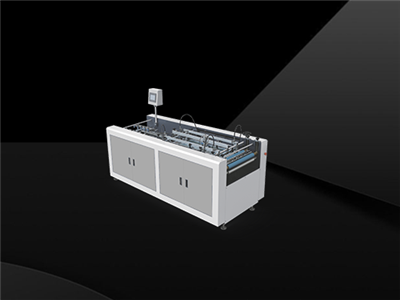

As a trusted supplier of Rigid Box Machines, I understand the critical importance of regular maintenance to keep these machines operating at peak performance. Rigid box machines are complex pieces of equipment that are designed to produce high-quality rigid boxes efficiently. However, like any machinery, they require proper care and attention to ensure longevity and reliability. In this blog post, I will discuss the various types of maintenance that a Rigid Box Machine needs and why they are essential.
Preventive Maintenance
Preventive maintenance is the cornerstone of keeping a Rigid Box Machine in top condition. It involves a series of scheduled inspections, cleaning, lubrication, and adjustments that are performed at regular intervals to prevent breakdowns and extend the machine's lifespan. By implementing a preventive maintenance program, you can identify and address potential issues before they escalate into major problems, reducing downtime and saving on costly repairs.
Regular Inspections
Regular inspections are crucial for detecting any signs of wear, damage, or misalignment in the machine. These inspections should be conducted daily, weekly, monthly, and annually, depending on the machine's usage and manufacturer's recommendations. During the inspections, you should check for loose bolts, worn belts, damaged gears, and any other components that may need to be replaced or repaired. You should also inspect the electrical system, hydraulic system, and pneumatic system for any leaks or malfunctions.
Cleaning
Cleaning is an essential part of preventive maintenance. A clean machine not only operates more efficiently but also reduces the risk of contamination and damage to the products. You should clean the machine daily to remove any dust, debris, and adhesive residue that may accumulate on the surfaces. Use a soft brush or cloth to clean the machine, and avoid using abrasive cleaners or solvents that may damage the machine's finish. You should also clean the cutting blades, folding plates, and other components regularly to ensure smooth operation.
Lubrication
Lubrication is necessary to reduce friction and wear between moving parts. You should lubricate the machine's bearings, gears, chains, and other moving components regularly according to the manufacturer's recommendations. Use the recommended lubricants and follow the proper lubrication procedures to ensure optimal performance. Over-lubrication can also cause problems, so be careful not to apply too much lubricant.
Adjustments
Regular adjustments are necessary to ensure that the machine is operating at the correct settings. You should adjust the cutting blades, folding plates, and other components regularly to ensure accurate cutting and folding. You should also adjust the pressure settings, speed settings, and other parameters to optimize the machine's performance. Make sure to follow the manufacturer's instructions when making adjustments to avoid damaging the machine.


Corrective Maintenance
Corrective maintenance is performed when a machine breaks down or malfunctions. It involves diagnosing the problem, repairing or replacing the faulty components, and testing the machine to ensure that it is operating correctly. Corrective maintenance should be performed as soon as possible to minimize downtime and prevent further damage to the machine.
Troubleshooting
When a machine breaks down, the first step is to troubleshoot the problem. You should use the machine's manual and diagnostic tools to identify the cause of the problem. Check for any error codes, warning lights, or unusual noises that may indicate a problem. You should also inspect the machine's components for any signs of damage or wear. Once you have identified the problem, you can proceed with the necessary repairs.
Repairs and Replacements
Once you have diagnosed the problem, you can proceed with the necessary repairs or replacements. You should use genuine replacement parts to ensure compatibility and reliability. Make sure to follow the manufacturer's instructions when performing repairs or replacements to avoid damaging the machine. After the repairs or replacements have been made, you should test the machine to ensure that it is operating correctly.
Predictive Maintenance
Predictive maintenance is a proactive approach to maintenance that uses data and analytics to predict when a machine is likely to fail. It involves monitoring the machine's performance, collecting data on its operating conditions, and analyzing the data to identify any trends or patterns that may indicate a potential problem. By using predictive maintenance, you can schedule maintenance activities in advance, reducing downtime and saving on maintenance costs.
Condition Monitoring
Condition monitoring is the process of monitoring the machine's performance and operating conditions to detect any signs of deterioration or malfunction. You can use sensors, gauges, and other monitoring devices to collect data on the machine's temperature, vibration, pressure, and other parameters. By analyzing this data, you can identify any trends or patterns that may indicate a potential problem. You can then take proactive measures to address the problem before it escalates into a major breakdown.
Data Analysis
Data analysis is the process of analyzing the data collected from condition monitoring to identify any trends or patterns that may indicate a potential problem. You can use statistical analysis, machine learning, and other techniques to analyze the data. By analyzing the data, you can identify any correlations between the machine's operating conditions and its performance. You can then use this information to develop predictive models that can help you predict when a machine is likely to fail.
Importance of Maintenance
Regular maintenance is essential for keeping a Rigid Box Machine operating at peak performance. By implementing a comprehensive maintenance program that includes preventive, corrective, and predictive maintenance, you can reduce downtime, extend the machine's lifespan, and improve the quality of the products. Here are some of the key benefits of regular maintenance:
Reduced Downtime
Downtime can be costly for any business. By performing regular maintenance, you can identify and address potential issues before they escalate into major problems, reducing the risk of breakdowns and minimizing downtime. This can help you meet your production deadlines and avoid losing customers.
Extended Lifespan
A well-maintained machine can last for many years, providing a good return on investment. By performing regular maintenance, you can extend the machine's lifespan and avoid the need for costly replacements. This can help you save money in the long run.
Improved Quality
A machine that is operating at peak performance is more likely to produce high-quality products. By performing regular maintenance, you can ensure that the machine is operating at the correct settings, reducing the risk of defects and improving the quality of the products. This can help you meet your customers' expectations and improve your reputation in the market.
Cost Savings
Regular maintenance can help you save money on maintenance costs. By identifying and addressing potential issues before they escalate into major problems, you can avoid costly repairs and replacements. This can help you reduce your maintenance budget and improve your bottom line.
Conclusion
In conclusion, regular maintenance is essential for keeping a Rigid Box Machine operating at peak performance. By implementing a comprehensive maintenance program that includes preventive, corrective, and predictive maintenance, you can reduce downtime, extend the machine's lifespan, and improve the quality of the products. As a supplier of Rigid Box Machines, I am committed to providing our customers with the highest quality machines and the best possible support. If you have any questions about maintenance or need assistance with your Rigid Box Machine, please do not hesitate to contact us. We are here to help you keep your machines running smoothly and efficiently.
If you are interested in purchasing a Rigid Box Machine or need more information about our products, please visit our website at Rigid Box Forming Machines, Automatic Cardboard Grooving Machines, or Rigid Box Wrapping Machines. Our team of experts is ready to assist you with your purchase and provide you with the support you need to keep your machines operating at peak performance. Contact us today to start a conversation about your rigid box production needs.
References
- Manufacturer's manuals for Rigid Box Machines
- Industry best practices for machinery maintenance
- Technical articles on Rigid Box Machine maintenance