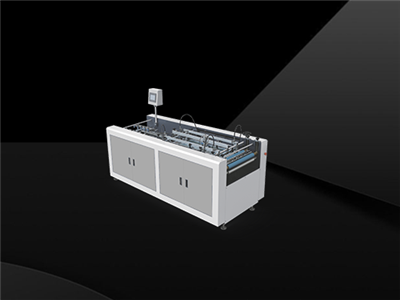

The weight of a rigid box machine is a crucial factor that impacts various aspects of its operation, transportation, and installation. As a reputable supplier of rigid box machines, I understand the significance of this parameter and its implications for our clients. In this blog post, I will delve into the factors that influence the weight of a rigid box machine, the importance of considering weight in different scenarios, and how it relates to the overall performance and functionality of the equipment.
Factors Influencing the Weight of a Rigid Box Machine
The weight of a rigid box machine is determined by several key factors, each playing a significant role in the overall mass of the equipment. Understanding these factors can help clients make informed decisions when selecting a machine that meets their specific needs.
1. Machine Size and Dimensions
One of the primary factors influencing the weight of a rigid box machine is its size and dimensions. Larger machines typically have more components, a larger frame, and greater structural support, which contribute to increased weight. For example, a large-scale industrial rigid box machine designed for high-volume production may weigh several tons, while a smaller, tabletop model used for small businesses or hobbyists may weigh significantly less.
2. Material Construction
The materials used in the construction of a rigid box machine also have a substantial impact on its weight. Machines made from heavy-duty steel or other robust materials are generally heavier than those constructed from lighter materials such as aluminum or plastic. Steel is a popular choice for rigid box machines due to its strength, durability, and resistance to wear and tear. However, it also adds significant weight to the equipment.
3. Component Complexity
The complexity of the machine's components and the number of features it offers can also affect its weight. Machines with advanced automation, multiple processing stations, and sophisticated control systems tend to be heavier than simpler models. For instance, an Automatic Cardboard Grooving Machines equipped with precision cutting tools, adjustable grooving depths, and automated feeding systems will likely weigh more than a basic grooving machine with fewer features.
4. Additional Accessories
Some rigid box machines may come with additional accessories or attachments that can increase their weight. These accessories can include things like conveyor belts, stacking systems, or custom tooling. While these add-ons can enhance the functionality and productivity of the machine, they also contribute to its overall mass.
Importance of Considering Weight in Different Scenarios
The weight of a rigid box machine is not just a technical specification; it has practical implications in various aspects of the machine's use, from transportation and installation to operation and maintenance.
1. Transportation
Transporting a rigid box machine from the manufacturer to the client's facility can be a challenging task, especially if the machine is heavy. The weight of the machine determines the type of transportation required, the size of the vehicle needed, and the associated costs. Heavier machines may require specialized equipment such as cranes or forklifts for loading and unloading, and they may also incur higher shipping fees due to their size and weight.
2. Installation
The weight of the machine also affects its installation process. A heavy machine may require a sturdy foundation or floor support to ensure its stability and proper operation. In some cases, additional structural modifications may be necessary to accommodate the machine's weight. Installing a heavy rigid box machine may also require a team of experienced technicians to ensure that it is properly aligned and calibrated.
3. Operation and Stability
The weight of a rigid box machine can impact its stability during operation. A heavier machine is generally more stable and less prone to vibrations, which can improve the quality of the finished products and reduce the risk of machine damage. On the other hand, a lightweight machine may be more susceptible to movement and vibrations, especially when operating at high speeds or under heavy loads.
4. Maintenance and Serviceability
The weight of the machine can also affect its maintenance and serviceability. Heavier machines may be more difficult to access and service, as they may require specialized equipment or lifting devices to reach certain components. Additionally, the weight of the machine can make it more challenging to move or reposition during maintenance or repair work.
How Weight Relates to the Overall Performance and Functionality of the Equipment
While weight is an important consideration, it is not the only factor that determines the performance and functionality of a rigid box machine. Other factors such as speed, precision, reliability, and ease of use also play crucial roles. However, weight can have an indirect impact on these aspects.
1. Speed and Productivity
A heavier machine may have a slower acceleration and deceleration rate compared to a lighter machine. This can affect the overall production speed and efficiency, especially in high-volume manufacturing environments. However, a heavier machine may also be more capable of handling heavy loads and continuous operation without overheating or experiencing mechanical issues, which can ultimately lead to higher productivity in the long run.
2. Precision and Quality
The stability provided by a heavier machine can contribute to improved precision and quality of the finished products. Reduced vibrations and movement during operation can result in more accurate cutting, folding, and gluing, leading to higher-quality rigid boxes. This is particularly important for applications that require precise dimensions and a high level of craftsmanship.
3. Reliability and Durability
A well-constructed, heavy-duty rigid box machine is generally more reliable and durable than a lightweight or flimsy model. The use of high-quality materials and robust construction techniques can ensure that the machine can withstand the rigors of continuous operation and heavy use over an extended period. This can reduce the frequency of breakdowns and maintenance requirements, resulting in lower operating costs and increased uptime.
Other Related Machines and Their Weights
In addition to the basic rigid box machines, there are several other types of machines used in the rigid box manufacturing process, each with its own weight characteristics.
1. Rigid Box Wrapping Machines
Rigid box wrapping machines are used to wrap the outer surface of the rigid boxes with paper or other materials. The weight of these machines can vary depending on their size, the type of wrapping material they can handle, and the level of automation. Smaller, semi-automatic wrapping machines may weigh a few hundred kilograms, while larger, fully automatic models can weigh several tons.
2. Automatic Tape Pasting Machine
Automatic tape pasting machines are used to apply tape to the corners or edges of the rigid boxes. These machines are typically smaller and lighter than the main rigid box manufacturing machines. However, their weight can still vary depending on their size, the speed of operation, and the type of tape they can handle.
Conclusion
In conclusion, the weight of a rigid box machine is a complex and important factor that should be carefully considered when selecting equipment for your business. It is influenced by various factors such as machine size, material construction, component complexity, and additional accessories. The weight of the machine has practical implications in transportation, installation, operation, and maintenance, and it can also have an indirect impact on the machine's performance, productivity, and quality.


As a supplier of rigid box machines, we understand the unique needs and requirements of our clients. We offer a wide range of machines with different weights and specifications to meet the diverse demands of the rigid box manufacturing industry. Whether you are a small business looking for a compact and lightweight machine or a large-scale manufacturer in need of a heavy-duty, high-capacity solution, we can help you find the right equipment for your specific application.
If you are interested in learning more about our rigid box machines or have any questions about their weight, performance, or functionality, please feel free to contact us. Our team of experts is ready to assist you in making an informed decision and providing you with the best possible solution for your business.
References
- Industry reports on rigid box manufacturing equipment
- Technical specifications of various rigid box machines
- Interviews with industry experts and manufacturers