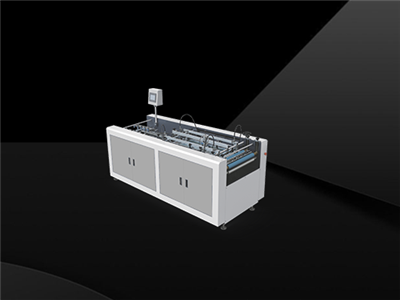

Hey there! I'm a supplier of box machines, and today I want to chat about the stacking capacity of box machines. It's a topic that might not seem super exciting at first glance, but it's actually crucial when it comes to the efficiency and productivity of your box - making operations.
Let's start by understanding what stacking capacity means. In simple terms, the stacking capacity of a box machine refers to the number of boxes the machine can stack in a given time or space. This capacity can be affected by a bunch of factors, and we'll dive into those in a bit.
Factors Affecting Stacking Capacity
Box Size and Shape
The size and shape of the boxes you're making play a huge role. Larger boxes generally take up more space, so the machine can stack fewer of them. For example, if you're making big, bulky rigid boxes, the stacking capacity will be lower compared to smaller, more compact ones. And if you're using a Round Corner Cutting Machine to create boxes with rounded corners, the way they stack can also be different. Rounded - corner boxes might not stack as neatly as square - cornered ones, which can impact the overall stacking capacity.
Machine Design
The design of the box machine itself is another key factor. Some machines are built with a more efficient stacking mechanism. They might have adjustable stacking platforms or conveyors that can optimize the space used for stacking. For instance, a well - designed machine can stack boxes in a way that minimizes wasted space between them. On the other hand, a poorly designed machine might stack boxes haphazardly, reducing the overall capacity.


Production Speed
How fast the machine is producing boxes also affects stacking capacity. If the machine is churning out boxes at a high speed, the stacking system needs to keep up. Otherwise, boxes might pile up too quickly and cause jams or an inefficient stacking pattern. Some high - speed box machines are equipped with advanced sensors and control systems to ensure that the stacking process can handle the rapid production rate.
Importance of Stacking Capacity
Space Utilization
One of the main reasons why stacking capacity is important is space utilization. In a factory or production facility, space is often at a premium. A box machine with a high stacking capacity allows you to make the most of the available floor space. You can stack more boxes in a smaller area, which means you can store more finished products without having to expand your storage area. This can save you a lot of money in the long run.
Efficiency and Productivity
A good stacking capacity also contributes to overall efficiency and productivity. When boxes are stacked efficiently, it's easier to move them around the factory for further processing or shipping. Workers don't have to spend extra time rearranging boxes or dealing with messy stacks. This can speed up the entire production process and increase the number of boxes you can produce and ship in a day.
Measuring Stacking Capacity
There are a few ways to measure the stacking capacity of a box machine. One common method is to measure the number of boxes that can be stacked in a specific volume of space. For example, you might measure how many boxes can fit in a cubic meter of the stacking area. Another way is to measure the stacking rate, which is the number of boxes the machine can stack per minute or hour. This can give you an idea of how quickly the machine can handle the production output.
Maximizing Stacking Capacity
Optimize Box Design
As I mentioned earlier, the box design can have a big impact on stacking capacity. You can work on optimizing the size and shape of your boxes to make them stack more efficiently. For example, you might adjust the dimensions of the boxes so that they fit together like puzzle pieces. If you're using a Rigid Box Wrapping Machine, make sure the wrapping process doesn't add unnecessary bulk that could affect the stacking.
Upgrade Your Machine
If your current box machine has a low stacking capacity, you might want to consider upgrading to a more advanced model. Newer machines often come with improved stacking features, such as better conveyor systems or more precise stacking algorithms. An Automatic Rigid Box Forming Machine can be a great option as it can not only form the boxes but also stack them more efficiently.
Train Your Staff
Proper training for your staff is also important. They need to know how to operate the box machine correctly to ensure optimal stacking capacity. This includes understanding how to adjust the stacking settings, how to handle different box sizes, and how to troubleshoot any stacking issues that might arise.
Conclusion
In conclusion, the stacking capacity of box machines is a crucial aspect of box - making operations. It affects space utilization, efficiency, and productivity. By understanding the factors that influence stacking capacity, measuring it accurately, and taking steps to maximize it, you can get the most out of your box machine.
If you're in the market for a new box machine or looking to improve the stacking capacity of your existing one, I'd love to have a chat with you. We offer a wide range of box machines that are designed to provide high stacking capacity and excellent performance. Don't hesitate to reach out to us to discuss your specific needs and see how we can help you take your box - making business to the next level.
References
- Industry research on box - making machine technology
- Internal product specifications and performance data from our box machine models