
Hey there! I'm a supplier of rigid boxes, and today I'm gonna walk you through the production process of these awesome boxes. Rigid boxes are known for their durability and high - end look, making them a top choice for packaging luxury items like jewelry, cosmetics, and high - end electronics.
1. Design and Planning
The first step in making rigid boxes is the design phase. This is where we work closely with our clients to understand their needs. We ask them about the size, shape, and style of the box they want. Do they need a rectangular box, a square one, or maybe something more custom - shaped? We also talk about the branding elements. What logo do they want on the box? What colors match their brand identity?
Once we have a clear idea, our design team gets to work using specialized software. They create detailed 2D and 3D models of the box. This helps the client visualize how the final product will look. We can make any necessary adjustments at this stage, so it's super important to get it right from the start.
2. Material Selection
After the design is finalized, it's time to choose the materials. For the outer cover of the rigid box, we usually use high - quality paperboard or cardboard. The thickness of the board depends on the size and weight of the product that will be inside the box. Thicker boards are used for heavier items to ensure the box can support the weight without getting damaged.
The inner lining is also crucial. We have a variety of options here, like silk, velvet, or foam. Silk and velvet give a luxurious feel, while foam can provide extra protection for delicate items. We also select the glue that will be used to assemble the box. It needs to be strong enough to hold the different parts together but also dry quickly to keep the production process efficient.


3. Cutting and Die - Cutting
Once the materials are selected, the cutting process begins. We use a Round Corner Cutting Machine to cut the paperboard or cardboard into the right shape. This machine is really precise, ensuring that all the pieces are cut to the exact dimensions specified in the design.
Die - cutting is another important step. A die is a special tool that is used to create the folds and creases in the box. It's like a cookie cutter, but for boxes. The die - cutting process makes it easy to fold the box into its final shape later on. We can also use the die to create special features like windows or compartments in the box.
4. Printing
Printing is where the box really starts to take on its brand identity. We use high - quality printing techniques like offset printing or digital printing. Offset printing is great for large - scale production as it can produce high - resolution images and colors. Digital printing, on the other hand, is more flexible and can be used for smaller batches or when we need to make quick changes to the design.
We print the logo, product information, and any other graphics directly onto the outer cover of the box. The colors are carefully matched to the client's brand guidelines to ensure a consistent look.
5. Assembly
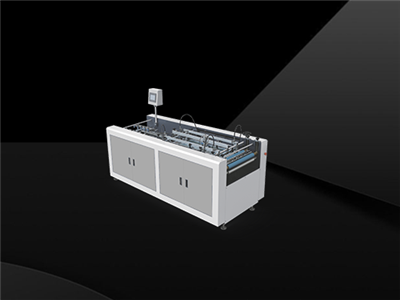
Now comes the assembly part. This is where all the pieces come together to form the box. First, we use a Semi Auto Corner Pasting Machine to attach the corners of the box. This machine applies the glue evenly and helps to create strong, neat corners.
Next, we attach the inner lining to the box. This is usually done by hand to ensure a perfect fit. We carefully place the lining inside the box and use glue to secure it in place. Then, we assemble the outer cover and attach it to the box structure. It's a bit like putting together a puzzle, but with a lot of precision.
6. Trimming and Finishing
After the box is assembled, we use a Fully Automatic Three - sided Book Trimming Machine to trim the edges. This machine cuts off any excess material and gives the box a clean, professional look.
We also add any finishing touches at this stage. This could include adding a UV coating to make the box more resistant to scratches and fading, or adding a ribbon or a bow for a more decorative look.
7. Quality Control
Before the boxes are shipped out, we conduct a thorough quality control check. We inspect each box for any defects, such as uneven cuts, loose corners, or printing errors. If we find any issues, we fix them right away. We want to make sure that every box that leaves our factory meets the highest standards of quality.
8. Packaging and Shipping
Once the boxes pass the quality control check, we package them for shipping. We use protective materials like bubble wrap or foam inserts to prevent the boxes from getting damaged during transit. We also label the packages clearly with the destination address and other important information.
So, that's the whole production process of rigid boxes. It's a detailed and complex process, but we take pride in every step to ensure that we deliver the best - quality boxes to our clients.
If you're in the market for high - quality rigid boxes, we'd love to talk to you. Whether you're a small business looking for custom packaging or a large corporation in need of bulk orders, we have the expertise and the resources to meet your needs. Just reach out to us, and we can start discussing your project.
References
- General knowledge of rigid box production processes from industry experience.
- Information on box - making machines from industry catalogs and manufacturers' specifications.