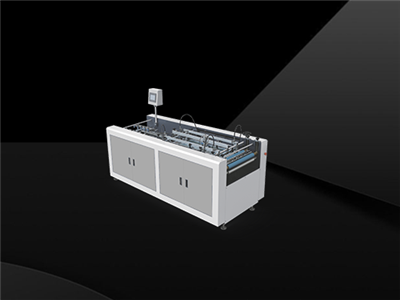

Hey there! As a supplier of Rigid Box Making Machines, I often get asked about the maximum thickness of materials these machines can handle. It's a crucial question, especially for businesses looking to create high - quality rigid boxes for various products. Let's dive right into it.


Understanding Rigid Box Making Machines
Before we talk about the maximum material thickness, let's have a quick look at what rigid box making machines are all about. These machines are designed to automate the process of creating rigid boxes. They come in different types, like the Automatic Rigid Box Forming Machine, Automatic Box Making Machine, and Rigid Box Wrapping Machines. Each type plays a specific role in the box - making process, from forming the box structure to wrapping it with the desired material.
Factors Affecting the Maximum Material Thickness
There are several factors that determine the maximum thickness of materials a rigid box making machine can process.
Machine Design and Build
The physical design and build of the machine are the first things to consider. Machines with more robust frames and stronger components can generally handle thicker materials. For example, a machine with a heavy - duty conveyor system can better support the weight and movement of thicker cardboard or paperboard. The gears, motors, and other mechanical parts also need to be designed to handle the extra stress that comes with processing thicker materials.
Cutting and Folding Mechanisms
The cutting and folding mechanisms in a rigid box making machine are critical. Thicker materials require more force to cut and fold accurately. A machine with a sharp and powerful cutting blade can cut through thicker cardboard without leaving ragged edges. Similarly, the folding mechanism needs to be able to bend the material smoothly without causing any cracks or breaks. Some advanced machines use hydraulic or pneumatic systems to provide the necessary force for cutting and folding thicker materials.
Gluing and Assembly
Gluing is another important aspect. When working with thicker materials, the glue needs to be strong enough to hold the parts together. The glue application system in the machine should be able to dispense the right amount of glue evenly on the thicker surfaces. If the glue is not applied properly, the box may come apart during handling or use.
Typical Maximum Material Thicknesses
Now, let's talk about the typical maximum material thicknesses that different types of rigid box making machines can handle.
Entry - Level Machines
Entry - level rigid box making machines are usually designed for small - scale production or for businesses on a budget. These machines can typically handle materials with a thickness ranging from 1mm to 3mm. This thickness is suitable for making small gift boxes, jewelry boxes, or other lightweight packaging.
Mid - Range Machines
Mid - range machines offer more versatility and can handle a wider range of material thicknesses. They can typically process materials from 3mm to 6mm. This makes them suitable for a variety of applications, including cosmetic boxes, electronics packaging, and larger gift boxes.
High - End Machines
High - end, industrial - grade rigid box making machines are the most powerful. They can handle materials with a thickness of up to 10mm or even more in some cases. These machines are used for large - scale production of heavy - duty boxes, such as those for luxury products, wine bottles, or high - end electronics.
Importance of Knowing the Maximum Material Thickness
Knowing the maximum material thickness your rigid box making machine can handle is essential for several reasons.
Product Quality
Using the right material thickness ensures that your boxes are of high quality. If you try to process a material that is too thick for the machine, it can lead to poor - quality boxes with uneven cuts, weak folds, or improper gluing. On the other hand, using a material that is too thin may not provide the necessary strength and durability for the product being packaged.
Cost - Efficiency
Understanding the maximum material thickness helps you make cost - effective decisions. You can choose the right machine for your production needs, avoiding over - investing in a high - end machine if you only need to process thin materials. At the same time, you can ensure that you are not using a machine that is too small for your requirements, which could lead to production delays and increased costs.
Production Capacity
The material thickness can also affect your production capacity. Thicker materials take longer to process, as they require more time for cutting, folding, and gluing. By knowing the maximum material thickness your machine can handle, you can plan your production schedule more effectively and meet your customers' deadlines.
How to Determine the Right Machine for Your Material Thickness
If you're in the market for a rigid box making machine, here are some steps to help you determine the right machine for your material thickness requirements.
Analyze Your Production Needs
First, analyze your production needs. Consider the types of boxes you want to make, the volume of production, and the range of material thicknesses you will be working with. If you only need to make small, lightweight boxes, an entry - level machine may be sufficient. However, if you plan to produce large, heavy - duty boxes, you'll need a high - end machine.
Research Different Machines
Research different machines available in the market. Look at the specifications of each machine, including the maximum material thickness it can handle. Read customer reviews and testimonials to get an idea of how well the machine performs in real - world applications. You can also visit trade shows or contact machine suppliers directly to see the machines in action.
Request Samples
Before making a purchase, request samples from the machine supplier. Ask them to produce boxes using the specific material thickness you plan to work with. This will give you a firsthand look at the quality of the boxes and the performance of the machine.
Conclusion
In conclusion, the maximum thickness of materials a rigid box making machine can process depends on several factors, including machine design, cutting and folding mechanisms, and gluing systems. Different types of machines have different capabilities, with entry - level machines handling thinner materials and high - end machines capable of processing thicker ones. By understanding these factors and determining your production needs, you can choose the right machine for your business.
If you're interested in learning more about our rigid box making machines or have any questions about the maximum material thickness they can handle, feel free to reach out to us. We're here to help you find the perfect solution for your packaging needs.
References
- Industry reports on rigid box making machines
- Manufacturer's specifications and brochures
- Expert opinions from the packaging industry