
As a seasoned supplier of rigid boxes, I've often been asked about the lifespan of printed images on these sturdy containers. It's a question that delves into a fascinating intersection of materials science, printing technology, and environmental factors. In this blog post, I'll share my insights on this topic, drawing on my years of experience in the industry.
Understanding the Basics of Printed Images on Rigid Boxes
Before we dive into the lifespan of printed images, let's first understand how these images are created on rigid boxes. There are several printing methods commonly used in the industry, each with its own characteristics and advantages.


- Offset Printing: This is one of the most traditional and widely used printing methods. It involves transferring ink from a plate to a rubber blanket and then onto the surface of the rigid box. Offset printing offers high-quality, detailed images with a wide range of colors. It's suitable for large print runs and can produce consistent results.
- Digital Printing: Digital printing has gained popularity in recent years due to its flexibility and quick turnaround time. It allows for variable data printing, meaning each box can have a unique image or message. Digital printing is ideal for small to medium print runs and offers excellent color accuracy.
- Flexographic Printing: Flexographic printing is commonly used for printing on flexible materials, but it can also be used on rigid boxes. It involves using a flexible printing plate to transfer ink onto the box surface. Flexographic printing is known for its high-speed production and is often used for packaging applications.
Factors Affecting the Lifespan of Printed Images
The lifespan of printed images on rigid boxes can vary depending on several factors. Let's take a closer look at some of the key factors that can influence the durability of these images.
- Printing Method: As mentioned earlier, different printing methods have different characteristics. Offset printing generally offers better durability compared to digital printing, as the ink is more firmly bonded to the box surface. However, advancements in digital printing technology have improved its durability in recent years.
- Ink Quality: The quality of the ink used in the printing process plays a crucial role in the lifespan of the printed image. High-quality inks are more resistant to fading, scratching, and abrasion. They also tend to have better adhesion to the box surface, ensuring a longer-lasting image.
- Box Material: The type of material used for the rigid box can also affect the lifespan of the printed image. Boxes made from high-quality cardboard or paperboard are generally more durable and can better withstand wear and tear. Additionally, the surface finish of the box, such as a gloss or matte coating, can impact the image's durability.
- Environmental Conditions: The environment in which the rigid boxes are stored and used can have a significant impact on the lifespan of the printed images. Exposure to sunlight, heat, humidity, and chemicals can cause the ink to fade, crack, or peel. It's important to store the boxes in a cool, dry place away from direct sunlight and harsh chemicals.
Estimating the Lifespan of Printed Images
While it's difficult to provide an exact lifespan for printed images on rigid boxes, we can make some general estimates based on the factors mentioned above.
- Short-Term Use: For boxes that are used for short-term purposes, such as promotional items or temporary packaging, the printed images may last anywhere from a few weeks to a few months. These boxes are typically not exposed to harsh environmental conditions and are not subject to heavy handling.
- Medium-Term Use: Boxes used for medium-term storage or display, such as product packaging in a retail environment, can have a printed image lifespan of several months to a year. Proper storage and handling can help extend the lifespan of the images.
- Long-Term Use: Boxes used for long-term storage or archival purposes, such as collectible item packaging, may require special printing techniques and materials to ensure the longevity of the printed images. With the right combination of high-quality ink, durable box material, and proper storage conditions, the images can last for several years or even decades.
Extending the Lifespan of Printed Images
To maximize the lifespan of printed images on rigid boxes, there are several steps you can take.
- Choose the Right Printing Method and Ink: Select a printing method and ink that are suitable for your specific application and requirements. Consult with your printing provider to determine the best options for your project.
- Use High-Quality Box Materials: Opt for boxes made from high-quality cardboard or paperboard. Consider using a box with a protective coating or finish to enhance the durability of the printed image.
- Proper Storage and Handling: Store the boxes in a cool, dry place away from direct sunlight and harsh chemicals. Avoid stacking heavy objects on top of the boxes to prevent damage to the printed images.
- Regular Inspection and Maintenance: Periodically inspect the boxes for any signs of damage or fading. If necessary, touch up the printed images or replace the boxes to ensure the continued visibility and attractiveness of your branding.
Our Rigid Box Manufacturing Capabilities
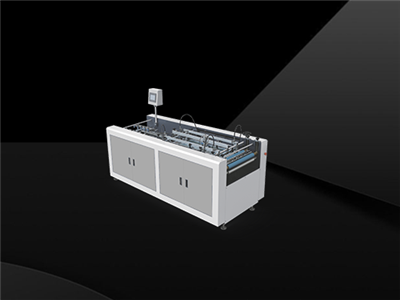
At our company, we are committed to providing high-quality rigid boxes with long-lasting printed images. We use state-of-the-art Round Corner Cutting Machine to ensure precise and clean cuts, resulting in boxes with smooth edges. Our Automatic Box Making Machine enables us to produce boxes efficiently and with consistent quality. Additionally, our Cardboard V Grooving Machines allow us to create custom grooves and folds in the boxes, adding to their functionality and aesthetic appeal.
We work closely with our clients to understand their specific needs and requirements. Whether you need boxes for product packaging, promotional items, or archival storage, we can provide customized solutions that meet your expectations. Our team of experts is always available to offer advice and guidance on the best printing methods, materials, and finishes for your project.
Contact Us for Your Rigid Box Needs
If you're interested in learning more about our rigid box manufacturing services or have any questions about the lifespan of printed images on rigid boxes, we'd love to hear from you. Our team is ready to assist you with your project and provide you with a competitive quote. Contact us today to start the conversation and take the first step towards creating high-quality rigid boxes that make a lasting impression.
References
- Smith, J. (2020). Printing Technology for Packaging. New York: Wiley.
- Johnson, A. (2019). The Science of Ink and Printing. London: Elsevier.
- Brown, C. (2018). Packaging Materials and Their Properties. Chicago: McGraw-Hill.