
Hey there! As a supplier of rigid boxes, I often get asked about the lead time for custom-made rigid boxes. It's a crucial question, and the answer isn't always straightforward. In this blog, I'll break down the factors that influence the lead time and give you a better idea of what to expect when ordering custom rigid boxes.
Understanding the Basics of Custom Rigid Box Production
Before we dive into lead times, let's quickly go over how custom rigid boxes are made. The process typically involves several steps, from design and material selection to printing, assembly, and finishing. Each step requires careful attention to detail and can impact the overall lead time.


Factors Affecting Lead Time
Design and Approval
The first step in creating custom rigid boxes is the design phase. This involves working with you to understand your requirements, create a mockup, and get your approval. The time it takes to complete this phase can vary depending on the complexity of the design and how quickly we can communicate and make revisions. If you have a detailed and specific design in mind, it might take a bit longer to finalize. On the other hand, if you're open to suggestions and quick to approve, this phase can be completed relatively fast.
Material Sourcing
Once the design is approved, we need to source the materials for your rigid boxes. The type and quality of materials you choose can have a significant impact on the lead time. For example, if you opt for a specialty paper or a unique finish, it might take longer to find and order the materials. Additionally, the availability of the materials can also be a factor. If a particular material is in high demand or out of stock, it can delay the production process.
Printing
Printing is another crucial step in the production of custom rigid boxes. The printing method, the number of colors, and the quantity of boxes all play a role in determining the printing time. Digital printing is generally faster and more suitable for small quantities, while offset printing is better for larger orders. However, offset printing requires more setup time, which can add to the overall lead time.
Assembly and Finishing
After the printing is done, the boxes need to be assembled and finished. This involves cutting, folding, gluing, and adding any additional features like inserts or handles. The complexity of the assembly process can vary depending on the design of the box. For example, a simple two-piece box will be quicker to assemble than a multi-layered box with intricate details. The finishing touches, such as embossing, debossing, or foil stamping, can also add to the lead time.
Quantity
The quantity of boxes you order is one of the most significant factors affecting the lead time. Generally, larger orders take longer to produce than smaller ones. This is because there's more material to source, more printing to do, and more boxes to assemble. However, keep in mind that we might be able to optimize the production process for larger orders, which could potentially reduce the lead time per box.
Typical Lead Times
Now that we've discussed the factors that affect lead time, let's talk about some typical lead times for custom rigid boxes.
Small Orders (Less than 500 boxes)
For small orders, the lead time is usually around 1 - 2 weeks. This includes the design and approval process, material sourcing, printing, and assembly. Since the quantity is small, we can often complete the production relatively quickly.
Medium Orders (500 - 2000 boxes)
Medium orders typically take 2 - 3 weeks. The additional time is mainly due to the increased quantity of materials and the longer printing and assembly processes.
Large Orders (More than 2000 boxes)
Large orders can take anywhere from 3 - 4 weeks or more. The production process for large orders is more complex and time-consuming, as we need to ensure that everything is done correctly and efficiently.
How We Can Reduce Lead Time
At our company, we understand that time is of the essence, and we're always looking for ways to reduce the lead time for our customers. Here are some of the things we do:
Efficient Production Processes
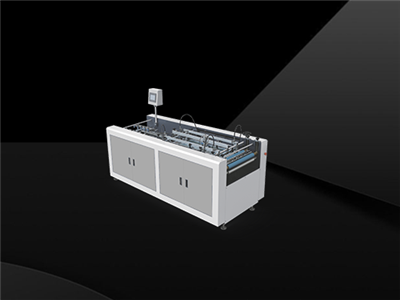
We've invested in state-of-the-art equipment, such as Automatic Rigid Box Forming Machine, Cardboard V Grooving Machines, and Rigid Box Forming Machines, to streamline the production process. These machines allow us to produce high-quality boxes quickly and efficiently.
Inventory Management
We keep a stock of commonly used materials to reduce the time it takes to source materials. This means that if you choose a standard material, we can start production right away.
Communication
We believe in open and transparent communication with our customers. We'll keep you updated on the progress of your order at every step of the way, so you know exactly when to expect your boxes.
Conclusion
So, what's the lead time for custom-made rigid boxes? As you can see, it depends on several factors, including the design, materials, quantity, and production process. However, by working closely with us and choosing the right options, we can ensure that you get your custom rigid boxes in a timely manner.
If you're interested in ordering custom rigid boxes, don't hesitate to reach out to us. We'd love to discuss your requirements and provide you with a detailed quote and lead time estimate. Let's work together to create the perfect rigid boxes for your business!
References
- Industry knowledge and experience in rigid box production.
- Insights from the operation of Automatic Rigid Box Forming Machine, Cardboard V Grooving Machines, and Rigid Box Forming Machines.