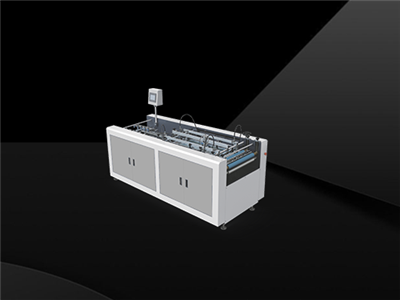

Hey there! As a supplier of Rigid Box Making Machines, I often get asked about the labor requirements for operating these machines. It's a crucial question, especially for businesses looking to optimize their production processes and cut down on costs. In this blog, I'll break down the labor aspects of running a rigid box making machine and give you a clear picture of what to expect.
First off, let's talk about the different types of rigid box making machines. There are various models out there, each with its own set of features and functions. For instance, the Automatic Box Making Machine is designed to streamline the box-making process. It can handle tasks like cutting, folding, and gluing with high precision and speed. On the other hand, the Rigid Box Wrapping Machines are specialized in wrapping the boxes with different materials, giving them a professional and attractive finish. And if you need to create boxes with rounded corners, the Round Corner Cutting Machine is the way to go.
Now, let's get into the labor requirements. The amount of labor needed depends on several factors, such as the complexity of the machine, the production volume, and the level of automation.
Labor for Machine Setup
Before you can start churning out boxes, you need to set up the machine properly. This involves tasks like installing the right dies, adjusting the settings for cutting, folding, and gluing, and loading the raw materials. For a basic rigid box making machine, one or two skilled operators are usually sufficient for the setup process. These operators should have a good understanding of the machine's mechanics and be able to read the technical manuals. They need to ensure that all the components are in place and working correctly before starting the production.
However, if you're using a more advanced and automated machine, the setup might be a bit more complex. In such cases, you might need a team of technicians who are well-versed in the specific machine's software and hardware. They'll be responsible for calibrating the machine, programming the production parameters, and conducting test runs to make sure everything is functioning as expected.
Labor for Production Operation
Once the machine is set up, it's time to start the production. The labor requirements during the production phase vary depending on the level of automation.
Semi - Automated Machines
Semi - automated rigid box making machines still require a fair amount of human intervention. For example, an operator might need to manually load the cardboard sheets into the machine, monitor the production process, and remove the finished boxes. In a semi - automated setup, you might need one operator per machine to handle these tasks. The operator needs to be vigilant and make sure that the machine is running smoothly. They should be able to detect any issues, such as misfeeds or jams, and take immediate action to fix them.
Fully Automated Machines
Fully automated machines, on the other hand, significantly reduce the need for human labor during production. These machines can automatically feed the raw materials, perform all the necessary operations, and stack the finished boxes. In a fully automated production line, you might only need one or two operators to oversee multiple machines. Their main tasks include monitoring the overall production status, replenishing the raw materials when needed, and conducting routine maintenance checks.
Labor for Quality Control
Quality control is an essential part of the rigid box making process. No matter how advanced the machine is, there's always a chance of defects in the finished products. To ensure that only high - quality boxes are shipped out, you need to have a dedicated quality control team.
The size of the quality control team depends on the production volume. For a small - scale production, one or two quality control inspectors might be enough. They'll visually inspect the boxes for any visible defects, such as uneven cuts, loose glue, or damaged corners. In a large - scale production environment, you might need a larger team. These inspectors can use various tools and techniques, such as measuring devices and sample testing, to ensure that the boxes meet the required standards.
Labor for Maintenance and Repair
Regular maintenance and timely repair are crucial to keep the rigid box making machine running efficiently. A well - maintained machine not only has a longer lifespan but also produces better - quality products.
For maintenance, you need a team of technicians who are trained to perform tasks like cleaning, lubricating, and replacing worn - out parts. The frequency of maintenance depends on the machine's usage and the manufacturer's recommendations. In some cases, daily or weekly maintenance checks are required, while in others, monthly or quarterly inspections might be sufficient.
When it comes to repairs, having an in - house repair team can save you a lot of time and money. These technicians should be able to diagnose and fix common problems, such as electrical faults, mechanical breakdowns, or software glitches. However, for more complex issues, you might need to call in the manufacturer's support team or an external repair service.
Training and Skill Development
It's important to invest in the training and skill development of your labor force. As technology advances, new features and functions are added to rigid box making machines. Your operators and technicians need to be trained to use these new capabilities effectively.
You can organize regular training sessions, either in - house or by inviting the machine manufacturer's experts. These sessions can cover topics like machine operation, maintenance, troubleshooting, and quality control. By improving the skills of your labor force, you can increase the efficiency of your production process and reduce the likelihood of errors.
Cost - Benefit Analysis of Labor
When considering the labor requirements for operating a rigid box making machine, it's also important to conduct a cost - benefit analysis. Hiring too many workers can increase your labor costs, while having too few can lead to production bottlenecks and quality issues.
You need to find the right balance between labor cost and production efficiency. For example, investing in a more expensive but fully automated machine might reduce the need for a large number of operators in the long run. Although the initial investment in the machine is high, the savings in labor costs over time can be significant.


Conclusion
In conclusion, the labor requirements for operating a rigid box making machine depend on various factors, including the type of machine, the production volume, and the level of quality control. Whether you're using a semi - automated or a fully automated machine, you need a combination of skilled operators, technicians, quality control inspectors, and maintenance personnel.
If you're in the market for a rigid box making machine and want to learn more about the labor requirements or discuss your specific needs, feel free to reach out. We're here to help you make the right decision for your business and ensure that you get the most out of your investment.
References
- Industry reports on rigid box making machine technology
- Manufacturer's manuals for rigid box making machines
- Interviews with industry experts in the rigid box manufacturing sector