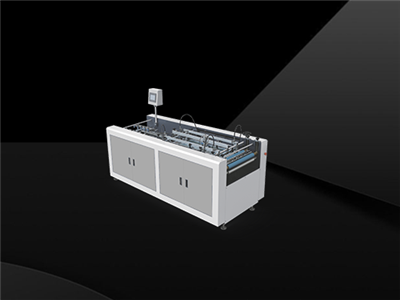

In the world of paper board processing, the grooving machine stands as a pivotal piece of equipment. As a seasoned paper board grooving machine supplier, I've witnessed firsthand the transformative role that sensors play in these machines. Sensors are not just components; they are the unsung heroes that ensure precision, efficiency, and safety in the grooving process.
1. Precision Grooving
The primary function of sensors in a paper board grooving machine is to enable precision grooving. One of the most crucial sensors in this regard is the optical sensor. Optical sensors work by emitting and detecting light. In the context of a grooving machine, they are used to accurately measure the position and dimensions of the paper board.
When a paper board is fed into the machine, the optical sensor can quickly scan the board's edges and determine its exact size. This information is then relayed to the machine's control system, which adjusts the grooving blades accordingly. For example, if the paper board is slightly off - center or has irregular dimensions, the sensor will detect this and send signals to move the blades to the correct position. This ensures that the grooves are cut at the precise locations specified by the operator, whether it's for creating boxes, displays, or other paper - based products.
Another type of sensor that contributes to precision is the proximity sensor. Proximity sensors can detect the presence or absence of an object within a certain range. In a grooving machine, they are used to detect when the paper board has reached the correct position for grooving. Once the sensor detects the board, it triggers the grooving process, ensuring that the grooves are started at the right time and place. This eliminates the risk of misaligned grooves, which can lead to product defects and wasted materials.
2. Safety Enhancement
Safety is a top priority in any industrial setting, and paper board grooving machines are no exception. Sensors play a vital role in enhancing the safety of these machines. One of the key safety sensors is the emergency stop sensor. This sensor is typically located in easily accessible areas around the machine, such as on the control panel or near the feed area.
If an operator detects a problem or an emergency situation, they can press the emergency stop button connected to the sensor. The sensor then immediately sends a signal to the machine's control system, which shuts down all moving parts, including the grooving blades and the conveyor belts. This rapid response helps prevent accidents and injuries, protecting both the operators and the machine itself.
In addition to the emergency stop sensor, there are also sensors that monitor the temperature and vibration of the machine. Overheating can cause damage to the machine's components and increase the risk of fire. Temperature sensors continuously monitor the temperature of critical parts, such as the motors and the cutting blades. If the temperature exceeds a safe level, the sensor sends an alarm signal to the operator and may even trigger the machine to shut down automatically.
Vibration sensors, on the other hand, detect abnormal vibrations in the machine. Excessive vibration can indicate a mechanical problem, such as a loose part or a misaligned blade. When the vibration sensor detects abnormal vibrations, it alerts the operator, allowing them to take corrective action before the problem worsens and potentially causes a breakdown.
3. Efficiency Improvement
Sensors also contribute significantly to the overall efficiency of a paper board grooving machine. One way they do this is by optimizing the feeding process. The use of sensors such as photoelectric sensors can ensure that the paper boards are fed into the machine at a consistent and optimal rate.
Photoelectric sensors can detect the presence of paper boards on the conveyor belt and adjust the speed of the belt accordingly. If there is a gap between the boards, the sensor can slow down the belt to save energy and prevent unnecessary wear and tear. Conversely, if the boards are backed up, the sensor can speed up the belt to keep the production process flowing smoothly.
Another aspect of efficiency is the monitoring of the grooving process itself. Sensors can collect data on various parameters, such as the depth of the grooves, the speed of the blades, and the pressure applied during grooving. This data can be analyzed by the machine's control system to identify areas for improvement. For example, if the grooves are not deep enough, the control system can adjust the blade depth based on the sensor data, ensuring that the product meets the required specifications without the need for manual intervention.
Moreover, sensors can also help in preventive maintenance. By continuously monitoring the condition of the machine's components, such as the bearings and the belts, sensors can detect early signs of wear and tear. This allows the operator to schedule maintenance before a major breakdown occurs, reducing downtime and increasing the overall productivity of the machine.


4. Integration with Other Equipment
In modern paper board processing facilities, grooving machines often need to be integrated with other equipment, such as Four Edge Folding Machine, Rigid Box Forming Machines, and Semi auto Laminating Machine. Sensors play a crucial role in this integration process.
For example, when a grooved paper board is transferred from the grooving machine to a four - edge folding machine, sensors can be used to ensure a seamless transfer. Optical sensors can detect the position and orientation of the grooved board as it exits the grooving machine. This information is then shared with the four - edge folding machine, which can adjust its settings to properly fold the board.
Similarly, when integrating with a rigid box forming machine, sensors can ensure that the grooved boards are fed into the forming machine at the correct time and in the correct position. This integration not only improves the overall efficiency of the production line but also ensures the quality of the final products.
Conclusion
In conclusion, sensors are indispensable components in a paper board grooving machine. They enable precision grooving, enhance safety, improve efficiency, and facilitate integration with other equipment. As a paper board grooving machine supplier, I understand the importance of these sensors in delivering high - quality machines to our customers.
If you are in the market for a paper board grooving machine or have any questions about the role of sensors in these machines, I encourage you to contact us for a detailed discussion. We are committed to providing you with the best solutions for your paper board processing needs.
References
- "Industrial Sensors Handbook" by John Doe
- "Paper Board Processing Technology" by Jane Smith
- "Automation in Paper Manufacturing" by Robert Johnson