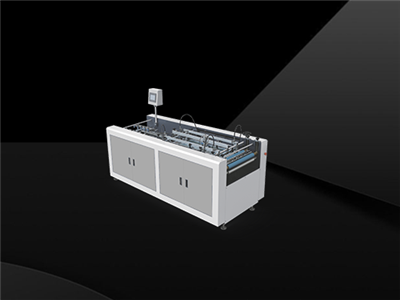

As a supplier of Rigid Box Machines, I often encounter questions from customers about the compatibility of our machines with different glues. This is a crucial aspect that can significantly impact the quality and efficiency of rigid box production. In this blog post, I'll delve into the various factors related to the compatibility of Rigid Box Machines with different types of glues.


Types of Glues Used in Rigid Box Production
There are several types of glues commonly used in the production of rigid boxes, each with its own unique properties and characteristics.
Water - based Glues
Water - based glues are perhaps the most widely used in the industry. They are environmentally friendly, easy to clean up, and have relatively low odor. These glues are suitable for a variety of materials used in rigid box production, such as paperboard, cardboard, and some types of fabric. They dry relatively quickly, which can improve the production speed on a Rigid Box Machine. However, they may not be as strong as some other types of glues, especially in high - humidity environments. For example, if the production area has high humidity, the water - based glue may take longer to dry, and the bond strength may be compromised.
Solvent - based Glues
Solvent - based glues offer high bond strength and are resistant to moisture and heat. They are often used when a very strong and durable bond is required, such as for luxury rigid boxes or boxes that will be exposed to harsh conditions. However, they have some drawbacks. Solvent - based glues are flammable and emit volatile organic compounds (VOCs), which can be harmful to the environment and the health of workers. When using solvent - based glues with a Rigid Box Machine, proper ventilation systems must be in place to ensure the safety of the operators. Additionally, these glues may require longer drying times compared to water - based glues, which can slow down the production process.
Hot - melt Glues
Hot - melt glues are solid at room temperature and are melted and applied in a liquid state. They have a very fast setting time, which can greatly increase the production speed of a Rigid Box Machine. Hot - melt glues are also resistant to moisture and have good adhesion to a wide range of materials. However, they require special equipment to melt and apply, and the temperature control is crucial. If the temperature is too high, the glue may degrade and lose its bonding properties. If the temperature is too low, the glue may not flow properly and may not form a good bond.
Compatibility Factors between Rigid Box Machines and Glues
Application Method
Different Rigid Box Machines are designed with different glue application methods. Some machines use spray nozzles, while others use rollers or brushes. The type of glue must be compatible with the application method of the machine. For example, water - based glues are well - suited for spray application because they have a relatively low viscosity. Solvent - based glues may also be used with spray nozzles, but the machine must be designed to handle the flammable nature of these glues. Hot - melt glues require a specific hot - melt application system, which usually consists of a heated tank, a pump, and a nozzle.
Drying System
The drying system of a Rigid Box Machine is another important factor in glue compatibility. Water - based glues typically require a drying system that can remove moisture quickly. This can be achieved through the use of hot air blowers or infrared heaters. Solvent - based glues need a well - ventilated drying area to allow the solvents to evaporate. Hot - melt glues cool and solidify rapidly, so the machine may need to have a cooling system to ensure that the glue sets properly.
Material Compatibility
The materials used in the rigid box, such as the paperboard, liner, and cover, can also affect the compatibility between the glue and the machine. Some glues may bond better with certain materials than others. For example, water - based glues may work well with porous paperboard, but they may not adhere as well to smooth or coated surfaces. Solvent - based glues may be more effective for bonding non - porous materials. When choosing a glue for a Rigid Box Machine, it's important to consider the specific materials that will be used in the box production.
Our Rigid Box Machines and Glue Compatibility
At our company, we offer a range of Rigid Box Forming Machines that are designed to be compatible with different types of glues. Our Automatic Rigid Box Forming Machine is equipped with a flexible glue application system that can handle water - based, solvent - based, and hot - melt glues. The machine has adjustable parameters for glue flow rate, application pressure, and drying time, allowing users to optimize the production process according to the type of glue and materials used.
Our Automatic Cardboard Grooving Machines are also designed with glue compatibility in mind. These machines can be integrated with different glue application units, ensuring that the grooved cardboard can be properly bonded during the box - forming process. Whether you are using a water - based glue for a quick - drying, eco - friendly solution or a solvent - based glue for a high - strength bond, our machines can provide the necessary support.
Tips for Ensuring Glue Compatibility
Conduct Tests
Before starting large - scale production, it's important to conduct small - scale tests using different glues on the Rigid Box Machine. This will help you determine the best glue - machine combination for your specific requirements. You can test the bond strength, drying time, and overall quality of the boxes produced with different glues.
Follow Manufacturer's Recommendations
Each Rigid Box Machine and glue has its own set of manufacturer's recommendations. Make sure to follow these recommendations carefully to ensure optimal performance and compatibility. This includes the correct temperature, pressure, and application rate for the glue.
Training and Maintenance
Proper training of the machine operators is essential for ensuring glue compatibility. Operators should be familiar with the different types of glues, the machine's glue application system, and the drying process. Regular maintenance of the machine is also important to keep the glue application system in good working condition.
Conclusion
The compatibility of a Rigid Box Machine with different glues is a complex but crucial aspect of rigid box production. By understanding the types of glues available, the compatibility factors, and following the tips mentioned above, you can ensure that your Rigid Box Machine operates efficiently and produces high - quality boxes. At our company, we are committed to providing you with the best Rigid Box Machines that can work seamlessly with different glues. If you are interested in learning more about our machines or have any questions about glue compatibility, please feel free to contact us for further discussion and potential procurement.
References
- "Handbook of Adhesives" by I. Skeist
- "Packaging Materials and Processes" by R. K. Singh
- Industry reports on rigid box manufacturing and glue technology