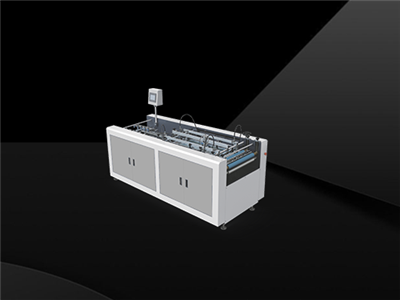

Operating a rigid box machine involves a series of tasks that require careful attention to safety. As a trusted supplier of Rigid Box Machines, I understand the importance of providing comprehensive safety guidelines to ensure the well - being of operators and the efficient running of the equipment. In this blog, I will delve into the key safety precautions that should be taken when operating a rigid box machine.
Pre - operation Safety Checks
Before starting the rigid box machine, a thorough pre - operation check is essential. First, visually inspect the machine for any signs of damage or wear. Check the belts, chains, and gears for proper tension and alignment. Loose or damaged components can lead to malfunctions and pose a safety risk. For example, a loose belt may slip during operation, causing the machine to stop abruptly or operate erratically.
Inspect the electrical system of the machine. Ensure that all wires are properly connected and there are no signs of fraying or exposed conductors. Faulty electrical connections can result in electrical shocks or even fires. It is also important to check the grounding of the machine to prevent electrostatic discharge.
Verify the lubrication levels of the machine. Adequate lubrication reduces friction between moving parts, extends the machine's lifespan, and ensures smooth operation. Refer to the machine's manual for the correct type and amount of lubricant to use. Lack of lubrication can cause overheating and premature wear of components.
Personal Protective Equipment (PPE)
Wearing appropriate personal protective equipment is non - negotiable when operating a rigid box machine. Operators should wear safety glasses to protect their eyes from flying debris, such as small pieces of cardboard or dust. Safety glasses with side shields provide additional protection from lateral impacts.
Hearing protection is also crucial, as rigid box machines can produce high - decibel noise levels. Prolonged exposure to loud noise can lead to hearing loss. Earplugs or earmuffs can effectively reduce the noise reaching the ears.
Gloves should be worn to protect the hands from cuts, abrasions, and chemical exposure. However, be cautious when choosing gloves, as loose - fitting gloves can get caught in the moving parts of the machine. Select gloves that are snug but still allow for dexterity.
In addition, operators should wear safety shoes with steel toes. These shoes protect the feet from heavy objects that may accidentally fall and from sharp objects on the floor.
Machine Operation Safety
During the operation of the rigid box machine, several safety measures should be strictly followed. First, never reach into the moving parts of the machine while it is running. Many accidents occur when operators try to clear a jam or adjust a component without stopping the machine. Always turn off the power and wait for all moving parts to come to a complete stop before performing any maintenance or adjustment tasks.
Keep the work area clean and organized. Remove any unnecessary tools, materials, or debris from around the machine. A cluttered work area can increase the risk of tripping and falling, and it can also interfere with the operation of the machine.
When feeding materials into the machine, use the appropriate feeding mechanisms. Avoid overloading the machine with excessive amounts of cardboard or other materials. Overloading can cause the machine to jam, overheat, or malfunction.
For the Automatic Tape Pasting Machine, ensure that the tape is loaded correctly and that the tape dispenser is functioning properly. Incorrect tape loading can lead to uneven pasting and may cause the machine to stop working.
When using the Automatic Cardboard Grooving Machines, set the grooving depth and width accurately according to the requirements of the box. Improper settings can result in poor - quality grooves or damage to the machine.
Emergency Stop Procedures
Familiarize yourself with the emergency stop procedures of the rigid box machine. Every machine should be equipped with an easily accessible emergency stop button. In case of an emergency, such as a malfunction, injury, or fire, immediately press the emergency stop button.
After pressing the emergency stop button, turn off the power supply to the machine. This will prevent the machine from restarting accidentally. Once the power is off, assess the situation and take appropriate action to resolve the issue.
Regularly test the emergency stop button to ensure that it is functioning properly. A non - working emergency stop button can be a serious safety hazard.
Training and Certification
Proper training is the foundation of safe operation of a rigid box machine. All operators should receive comprehensive training on the machine's operation, safety features, and maintenance procedures. Training should cover both theoretical knowledge and practical skills.
In addition to in - house training, operators may also benefit from obtaining relevant certifications. Certifications demonstrate that the operators have the necessary knowledge and skills to operate the machine safely.
Maintenance and Inspection
Regular maintenance and inspection are essential for the safe and efficient operation of the rigid box machine. Schedule routine maintenance tasks, such as cleaning, lubrication, and component replacement, according to the manufacturer's recommendations.
Conduct regular inspections of the machine to identify any potential safety hazards. Inspect the safety guards, sensors, and other safety devices to ensure that they are in good working condition. Damaged or malfunctioning safety devices should be repaired or replaced immediately.


For the Automatic Box Making Machine, pay special attention to the alignment of the molds and the accuracy of the cutting and folding mechanisms. Any misalignment can affect the quality of the boxes and may pose a safety risk.
Risk Assessment
Perform a risk assessment before operating the rigid box machine. Identify potential hazards, such as moving parts, electrical hazards, and chemical exposure. Evaluate the likelihood and severity of each hazard and develop appropriate control measures.
Review the risk assessment regularly and update it as necessary. As the machine is used and new technologies are introduced, new hazards may emerge, and existing control measures may need to be adjusted.
Conclusion
Operating a rigid box machine safely requires a combination of pre - operation checks, proper use of personal protective equipment, strict adherence to operation procedures, emergency preparedness, training, maintenance, and risk assessment. By following these safety precautions, operators can minimize the risk of accidents and ensure the long - term reliability of the machine.
If you are interested in purchasing a high - quality rigid box machine or have any questions about safety precautions, feel free to contact us for further discussion. We are committed to providing you with the best products and services to meet your needs.
References
- Manufacturer's manuals for rigid box machines
- Occupational Safety and Health Administration (OSHA) guidelines for machinery operation
- Industry best practices for rigid box manufacturing safety