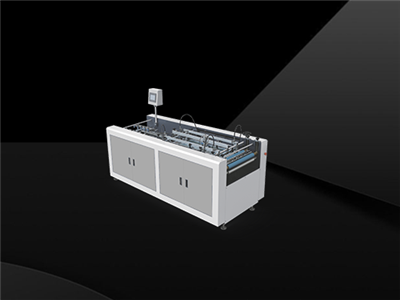

As a supplier of box machines, I understand the critical importance of ensuring the safety of glass products during packaging. Glass is a fragile material, and any improper handling or packaging can lead to breakage, which not only results in financial losses but also poses potential safety hazards. In this blog, I will discuss the safety measures for packaging glass products with box machines.


1. Selection of Appropriate Box Machines
The first step in ensuring the safety of glass product packaging is to select the right box machines. Different types of glass products may require different box - making processes and machine specifications.
- Automatic Box Making Machine: An Automatic Box Making Machine is a great choice for mass - producing boxes for glass products. These machines can produce boxes with high precision and consistency. They can cut, fold, and glue cardboard sheets to create well - structured boxes. The advantage of using an automatic machine is that it reduces the chances of human error, which could lead to poorly made boxes that might not protect the glass properly.
- Rigid Box Wrapping Machines: Rigid Box Wrapping Machines are ideal for wrapping glass products in rigid boxes. These machines can apply a protective layer around the box, which can further enhance the safety of the glass inside. The wrapping can be made of materials such as plastic films or paper, which can provide an extra cushioning effect and prevent dust and moisture from reaching the glass.
- Rigid Box Forming Machines: Rigid Box Forming Machines are used to create rigid boxes that can provide a strong and stable structure for glass products. These machines can form boxes with different shapes and sizes, allowing for customized packaging solutions. The rigid structure of the boxes can protect the glass from impacts and vibrations during transportation and storage.
2. Material Selection for Boxes
The material used to make the boxes is crucial for the safety of glass products.
- Cardboard Thickness and Quality: For glass products, it is recommended to use thick and high - quality cardboard. Thicker cardboard can provide better shock absorption and protection. The quality of the cardboard also matters; it should have good stiffness and strength to withstand external forces. For example, corrugated cardboard is a popular choice as it has a honeycomb - like structure that can absorb shocks effectively.
- Inner Lining Materials: To further protect the glass, inner lining materials can be used. Foam inserts are a common choice. They can be cut into the shape of the glass product and placed inside the box. Foam provides excellent cushioning and can prevent the glass from moving around inside the box. Other materials such as bubble wrap can also be used to line the box. Bubble wrap has air pockets that can absorb impacts and protect the glass from scratches.
3. Design Considerations for Boxes
The design of the boxes plays a significant role in ensuring the safety of glass products.
- Proper Sizing: The box should be the right size for the glass product. If the box is too large, the glass may move around inside, increasing the risk of breakage. On the other hand, if the box is too small, it may put pressure on the glass, causing it to crack. A well - fitting box ensures that the glass is held securely in place.
- Compartmentalization: For multiple glass products in one box, compartmentalization can be used. Dividers can be added to separate the glass items from each other. This prevents the glass products from colliding with each other during transportation and reduces the risk of breakage.
- Reinforced Corners and Edges: The corners and edges of the box are the most vulnerable parts. Reinforcing them can significantly improve the box's strength and protect the glass inside. This can be done by using additional layers of cardboard or corner protectors made of plastic or metal.
4. Machine Operation and Maintenance
Proper operation and maintenance of the box machines are essential for ensuring the quality of the boxes and the safety of the glass products.
- Operator Training: Operators should be well - trained to use the box machines correctly. They should understand the machine's functions, settings, and safety procedures. Incorrect operation can lead to poorly made boxes, which may not protect the glass effectively. For example, if the gluing process is not done correctly, the box may come apart during transportation.
- Regular Maintenance: Regular maintenance of the box machines is necessary to keep them in good working condition. This includes cleaning the machines, lubricating moving parts, and replacing worn - out components. A well - maintained machine can produce high - quality boxes consistently, which is crucial for the safety of glass products.
5. Quality Control
Quality control is an important step in the packaging process to ensure the safety of glass products.
- Inspection of Boxes: Before using the boxes to package glass products, they should be inspected for any defects. This includes checking for proper folding, gluing, and the overall structural integrity of the box. Any defective boxes should be discarded to avoid using them for packaging glass.
- Testing of Packaging: Samples of the packaged glass products can be tested to ensure their safety. This can involve subjecting the packages to simulated transportation conditions, such as vibrations and impacts. If the glass remains intact after the testing, it indicates that the packaging is effective in protecting the glass.
6. Handling and Storage of Packaged Glass Products
Even after proper packaging, the handling and storage of the packaged glass products are important for their safety.
- Proper Handling: When handling the packaged glass products, care should be taken to avoid dropping or rough handling. Workers should be trained on the correct way to lift and move the packages. For example, they should use proper lifting techniques and avoid stacking the packages too high to prevent them from toppling over.
- Storage Conditions: The packaged glass products should be stored in a suitable environment. They should be kept in a dry and cool place to prevent moisture and heat from damaging the glass and the packaging. The storage area should also be free from vibrations and impacts.
In conclusion, ensuring the safety of glass products during packaging with box machines requires a comprehensive approach. From selecting the right box machines and materials to proper design, operation, quality control, and handling, every step is crucial. As a box machine supplier, we are committed to providing high - quality machines and solutions to help our customers package their glass products safely. If you are interested in our box machines or need more information about glass product packaging safety, please feel free to contact us for further discussions and potential procurement opportunities.
References
- Packaging Machinery Manufacturers Institute. (2023). Guidelines for Safe Packaging of Fragile Products.
- American Society for Testing and Materials. (2022). Standards for Packaging Materials and Designs.
- International Safe Transit Association. (2021). Best Practices for Shipping Glass Products.