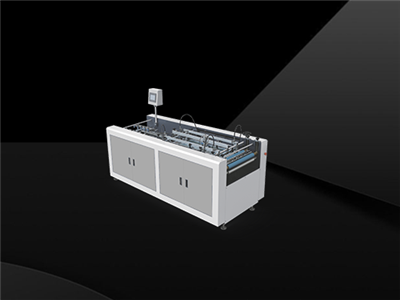

Hey there! As a supplier of Rigid Box Machines, I'm super stoked to break down for you the main components of these awesome machines. Rigid box machines are pretty complex pieces of equipment, but once you get to know their key parts, it's easier to understand how they work and why they're so important in the packaging industry.
Feeding System
Let's start with the feeding system. This is like the starting point of the whole operation. It's responsible for taking in the raw materials, usually cardboard sheets or boards, and getting them ready to be processed. The feeding system needs to be precise because any misalignment or uneven feeding can mess up the entire box - making process.
There are different types of feeding mechanisms. Some use suction cups to pick up the sheets one by one, while others rely on conveyor belts. The suction - cup method is great for handling delicate or lightweight materials, as it can pick them up gently without causing any damage. Conveyor - belt systems, on the other hand, are more suitable for heavier and larger sheets. They can move the materials quickly and steadily towards the next stage of production.
Cutting and Creasing Unit
After the materials are fed into the machine, they reach the cutting and creasing unit. This is where the magic really starts to happen. The cutting part is responsible for trimming the cardboard into the right size and shape. It uses sharp blades that can make clean and accurate cuts.


Creasing, on the other hand, is crucial for creating the fold lines on the cardboard. These fold lines allow the box to be folded neatly into its final shape. Without proper creasing, the box might not fold correctly or could even tear during the folding process.
For those looking for a specialized cutting solution, our Round Corner Cutting Machine is a great option. It can precisely cut the corners of the cardboard, giving the boxes a more professional and aesthetically pleasing look.
Folding and Gluing System
Once the cardboard is cut and creased, it moves on to the folding and gluing system. This part of the machine takes the pre - cut and creased cardboard and folds it into the desired box shape. It uses a series of folding bars and guides to ensure that the folds are accurate and consistent.
At the same time, the gluing system applies the right amount of glue to the appropriate areas of the cardboard. The glue needs to be strong enough to hold the box together but not so much that it creates a mess or affects the appearance of the box. There are different types of glues that can be used, depending on the type of cardboard and the final use of the box.
Assembly and Forming Station
The assembly and forming station is where the individual parts of the box come together to form the final product. Here, the folded and glued cardboard pieces are assembled into a complete box. This might involve attaching the lid, adding any additional components like inserts or dividers, and making sure that the box is properly shaped and sealed.
Some machines are capable of producing different types of boxes, such as two - piece boxes or boxes with complex structures. The assembly and forming station needs to be flexible enough to handle these different designs.
Wrapping and Finishing Section
Once the box is assembled, it might go through a wrapping and finishing section. This is where the box gets its final look. Our Rigid Box Wrapping Machines can wrap the box with materials like paper, fabric, or foil, giving it a more luxurious and professional appearance.
The finishing section can also include processes like embossing, debossing, or printing. These processes add extra visual appeal to the box, making it stand out on the shelves.
Control System
Last but definitely not least, we have the control system. This is the brain of the Rigid Box Machine. It controls all the other components, making sure that they work together smoothly and efficiently. The control system can be programmed to adjust the speed, pressure, and other parameters of the machine according to the specific requirements of the box - making process.
Modern control systems often use touch - screen interfaces, which make it easy for operators to set up and monitor the machine. They can also store different production programs, so that the machine can quickly switch between different box designs.
Quality Assurance Components
In addition to the main functional components, there are also quality assurance components in a Rigid Box Machine. These can include sensors that detect any defects in the materials or the production process. For example, there might be sensors that check for misaligned cuts, insufficient glue, or improper folding.
If a defect is detected, the machine can either stop the production process or mark the defective box for later inspection and rejection. This helps to ensure that only high - quality boxes are produced.
Maintenance and Support
As a supplier, we understand that maintaining these machines is crucial for their long - term performance. That's why we offer comprehensive maintenance and support services. Regular maintenance can prevent breakdowns, extend the lifespan of the machine, and keep it running at peak efficiency.
We also provide training for operators, so that they can use the machine safely and effectively. Our team of experts is always on standby to answer any questions and provide technical support whenever needed.
Why Choose Our Rigid Box Machines
So, why should you choose our Rigid Box Machines? Well, first of all, we use high - quality materials and advanced manufacturing techniques to build our machines. This ensures that they are durable, reliable, and can produce high - quality boxes consistently.
Secondly, our machines are designed with flexibility in mind. They can be easily adjusted to produce different types and sizes of boxes, which is great for businesses that need to meet a variety of customer demands.
Finally, we offer excellent customer service. From the initial consultation to after - sales support, we're here to make sure that you have a great experience with our products.
If you're in the market for a Rigid Box Machine, or if you have any questions about our products, don't hesitate to reach out. We'd love to have a chat with you and discuss how our machines can meet your specific needs. Whether you're a small - scale business just starting out or a large - scale manufacturer looking to upgrade your equipment, we've got the right solution for you.
Conclusion
In conclusion, a Rigid Box Machine is made up of several key components, each playing a vital role in the box - making process. From the feeding system to the control system, every part needs to work together seamlessly to produce high - quality boxes.
As a supplier, we're committed to providing top - notch Rigid Box Machines and excellent customer service. If you're interested in learning more about our Automatic Box Making Machine or any of our other products, feel free to contact us. We're looking forward to starting a great partnership with you!
References
- Packaging Machinery Handbook: A comprehensive guide to different types of packaging machines, including Rigid Box Machines.
- Industry reports on the latest trends and technologies in the box - making industry.