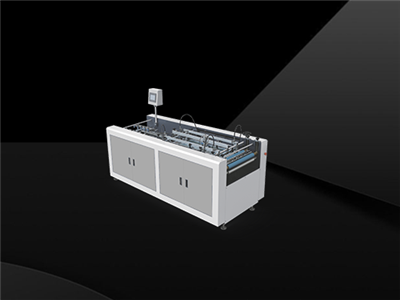

Hey there! As a rigid box supplier, I know firsthand that producing these boxes can be a costly affair. But don't worry, I've got some solid cost - saving measures that can help you keep your production costs in check. Let's dive right in!
1. Optimize Material Usage
One of the biggest costs in rigid box production is the materials. To save on this front, we need to be super smart about how we use them.
Design Efficiency
First off, work on your box design. A well - designed box can use less material while still maintaining its strength and functionality. For example, instead of using a lot of extra flaps or layers that add to the material cost, simplify the design. A simple, clean design not only looks good but also reduces the amount of cardboard or paperboard you need.


Material Sourcing
Another key aspect is where you source your materials. Look for suppliers who can offer you high - quality materials at a lower price. Don't just stick with one supplier; shop around and compare prices. You might be surprised at how much you can save by switching to a more cost - effective supplier. And sometimes, buying materials in bulk can also get you a better deal.
2. Upgrade to Efficient Machinery
Investing in the right machinery can make a huge difference in your production costs.
Automatic Rigid Box Forming Machine
The Automatic Rigid Box Forming Machine is a game - changer. These machines are designed to be highly efficient, reducing the amount of labor required and increasing the speed of production. They can form boxes with precision, which means less material waste. For instance, they can cut and fold the materials accurately, minimizing errors that would otherwise lead to wasted materials.
Rigid Box Forming Machines
Rigid Box Forming Machines in general can streamline your production process. They can handle different sizes and shapes of boxes, which gives you more flexibility. With a good forming machine, you can produce more boxes in less time, which ultimately lowers your per - unit production cost.
Automatic Tape Pasting Machine
The Automatic Tape Pasting Machine is also a great addition to your production line. It can paste tapes on the boxes quickly and evenly. Manual tape pasting is not only time - consuming but also less accurate, which can lead to rework and wasted materials. An automatic machine can do the job much faster and with better quality, saving you both time and money.
3. Labor Management
Labor is another significant cost in rigid box production. Here's how you can manage it better.
Training and Skill Development
Invest in training your employees. A well - trained workforce can work more efficiently, make fewer mistakes, and produce higher - quality boxes. For example, if your workers know how to operate the machinery properly, they can avoid breakdowns and reduce downtime. You can also cross - train your employees so that they can handle different tasks. This gives you more flexibility in scheduling and can reduce the need to hire additional workers.
Workflow Optimization
Look at your production workflow and see if there are any bottlenecks. Maybe some tasks are taking too long or there's too much back - and - forth between different workstations. By optimizing the workflow, you can make the production process more streamlined. For instance, you can arrange the workstations in a way that reduces the movement of materials and workers, saving time and energy.
4. Energy Conservation
Energy costs can add up over time, so it's important to conserve energy in your production facility.
Energy - Efficient Equipment
When buying new machinery, look for energy - efficient models. These machines are designed to use less electricity or other forms of energy while still performing at a high level. For example, some modern rigid box forming machines are equipped with energy - saving features that can significantly reduce your energy consumption.
Lighting and HVAC Systems
Pay attention to your lighting and HVAC systems. Use energy - efficient light bulbs and make sure your HVAC system is properly maintained. You can also install sensors to turn off the lights and adjust the temperature when there's no one in the area. This simple step can save a lot of energy and money in the long run.
5. Quality Control
Implementing a good quality control system can actually save you money in the long term.
In - Process Inspection
Conduct in - process inspections at different stages of production. This way, you can catch any defects early on and correct them before the box is fully assembled. Fixing a small defect in the middle of the production process is much cheaper than having to scrap a fully - assembled box.
Final Inspection
A thorough final inspection is also crucial. Make sure every box meets your quality standards before it leaves the factory. This reduces the chances of returns and rework, which can be very costly.
6. Waste Management
Proper waste management can also contribute to cost savings.
Recycling
Set up a recycling program for the materials that are wasted during production. Cardboard, paperboard, and other materials can often be recycled and used again. By recycling, you not only save on the cost of new materials but also do your part for the environment.
Reusing Scrap Materials
Look for ways to reuse scrap materials. For example, small pieces of cardboard can be used for testing or for making small inserts or dividers inside the boxes. This reduces the amount of waste and also cuts down on the need to buy additional materials.
7. Inventory Management
Managing your inventory effectively can prevent overstocking and understocking, both of which can be costly.
Just - in - Time Inventory
Consider implementing a just - in - time (JIT) inventory system. With JIT, you order materials and supplies just in time for them to be used in production. This reduces the amount of inventory you need to store, which saves on storage costs. It also minimizes the risk of materials becoming obsolete or damaged while in storage.
Inventory Tracking
Use an inventory tracking system to keep tabs on your stock levels. This way, you can easily see when you need to reorder materials and avoid running out of essential items. It also helps you identify any slow - moving items so that you can take appropriate action, such as reducing your future orders.
Conclusion
There you have it! These are some of the cost - saving measures that you can implement in your rigid box production. By optimizing material usage, upgrading to efficient machinery, managing labor, conserving energy, controlling quality, managing waste, and handling inventory effectively, you can significantly reduce your production costs.
If you're interested in learning more about how we can help you implement these cost - saving measures or if you're looking to purchase high - quality rigid boxes or related machinery, don't hesitate to reach out. We're here to assist you in making your production process more cost - effective and efficient.
References
- Industry reports on rigid box production costs
- Machinery manufacturer brochures and specifications