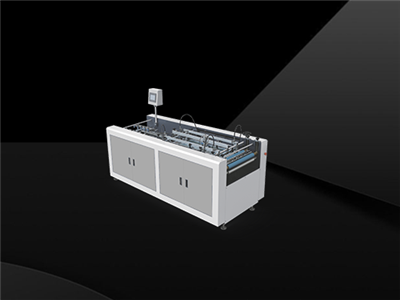

Hey there, fellow box makers! As a supplier of Rigid Box Making Machines, I've seen my fair share of electrical problems that can bring your production line to a screeching halt. But don't worry; I'm here to share some tips on how to troubleshoot these issues and get your machine up and running in no time.
Understanding the Basics of Electrical Systems in Rigid Box Making Machines
Before we dive into troubleshooting, let's have a quick refresher on the electrical systems in rigid box making machines. These machines typically consist of motors, sensors, control panels, and power supplies. Each component plays a crucial role in the machine's operation, and a fault in any of them can cause problems.


For instance, motors are responsible for moving various parts of the machine, like the conveyor belts and cutting blades. Sensors detect the presence of boxes, measure distances, and ensure proper alignment. Control panels are where you set the machine's parameters and monitor its operation. And power supplies provide the electricity needed to run all these components.
Common Electrical Problems and How to Spot Them
1. Power Failures
One of the most common issues is a complete power failure. If your machine suddenly stops working and there's no sign of life, the first thing to check is the power source. Make sure the machine is plugged in properly and that the circuit breaker hasn't tripped. Sometimes, a simple power surge can cause the breaker to shut off, so resetting it might solve the problem.
If the breaker keeps tripping, there could be a short circuit somewhere in the machine. This is a more serious issue that requires further investigation. You might notice a burning smell or visible damage to the wiring if there's a short circuit.
2. Motor Malfunctions
Motors can act up in several ways. They might make strange noises, overheat, or fail to start. If a motor is making a loud grinding or humming noise, it could be due to a worn-out bearing or a problem with the motor's electrical connections. Overheating can be caused by a lack of lubrication, too much load on the motor, or a faulty cooling system.
To check if a motor is the problem, you can use a multimeter to test its resistance. If the readings are outside the normal range, the motor might need to be replaced. You can also look for any visible signs of damage, like burned wires or a cracked motor casing.
3. Sensor Issues
Sensors are prone to getting dirty or misaligned, which can cause them to send incorrect signals. If your machine is jamming or not cutting boxes properly, it could be due to a faulty sensor. For example, a proximity sensor that's supposed to detect the presence of a box might not be working correctly if it's covered in dust or debris.
To troubleshoot sensor problems, start by cleaning the sensors with a soft, dry cloth. Check their alignment and make sure they're mounted securely. If the problem persists, you might need to replace the sensor.
4. Control Panel Problems
The control panel is the brain of the machine, and any issues with it can lead to all sorts of problems. You might notice error messages on the display, buttons that don't work, or incorrect settings being saved.
If you're getting error messages, check the machine's manual to see what they mean. Sometimes, a simple software reset can fix the problem. If the buttons aren't working, it could be due to a loose connection or a damaged circuit board. In this case, you might need to open the control panel and check the connections.
Step-by-Step Troubleshooting Guide
Step 1: Safety First
Before you start troubleshooting, make sure the machine is turned off and unplugged. This will prevent any electrical shocks or injuries. Wear appropriate safety gear, like gloves and safety glasses.
Step 2: Gather Information
Try to get as much information as possible about the problem. When did it start? What were the symptoms? Did the machine make any strange noises or smells? This information will help you narrow down the possible causes.
Step 3: Visual Inspection
Take a close look at the machine's electrical components. Look for any visible signs of damage, like frayed wires, loose connections, or burned parts. Check the wiring harnesses for any signs of wear or damage.
Step 4: Check the Power Supply
As mentioned earlier, a power failure could be the root cause of the problem. Check the power cord, the circuit breaker, and the power outlet. Use a voltage tester to make sure the outlet is providing the correct voltage.
Step 5: Test the Components
Use a multimeter to test the electrical components, like the motors, sensors, and control panels. Follow the manufacturer's instructions for testing each component. Compare the readings to the normal values specified in the machine's manual.
Step 6: Clean and Adjust
If you find any dirty or misaligned components, clean them or adjust their position. This can often solve minor problems. Make sure to use the appropriate cleaning tools and techniques.
Step 7: Replace Faulty Components
If you've determined that a component is faulty, replace it with a new one. Make sure to use the correct replacement part and follow the installation instructions carefully.
When to Call in a Professional
While many electrical problems can be solved with a little troubleshooting, some issues are best left to the professionals. If you're not comfortable working with electricity or if you're unable to identify the problem, it's a good idea to call in a qualified technician. They have the expertise and tools to diagnose and fix complex electrical problems.
Our Range of Rigid Box Making Machines
At our company, we offer a wide range of high-quality rigid box making machines, including the Automatic Rigid Box Forming Machine, Automatic Cardboard Grooving Machines, and Round Corner Cutting Machine. These machines are designed to be reliable and efficient, but like any piece of equipment, they can sometimes experience electrical problems.
If you're in the market for a new rigid box making machine or need help troubleshooting an existing one, don't hesitate to reach out to us. Our team of experts is always ready to assist you with your box making needs.
Conclusion
Troubleshooting electrical problems in a rigid box making machine might seem daunting at first, but with a little knowledge and the right tools, you can often solve the issues on your own. Remember to follow the safety guidelines, gather as much information as possible, and take a systematic approach to troubleshooting. And if all else fails, don't hesitate to call in a professional.
If you have any questions or need further assistance, feel free to contact us. We're here to help you keep your box making production running smoothly.
References
- Manufacturer's manuals for rigid box making machines
- Electrical engineering textbooks for basic electrical knowledge