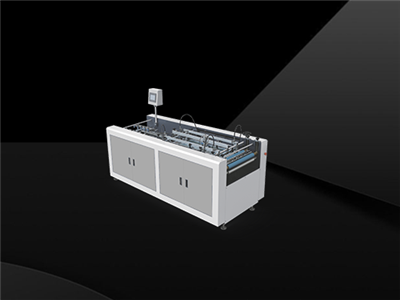

Hey there! As a supplier of Rigid Box Making Machines, I've seen firsthand how important it is to store the glue used in these machines properly. Glue is like the unsung hero in the rigid box manufacturing process. It holds everything together, literally! If you don't store it right, you could run into all sorts of problems, from poor adhesion to machine clogs. So, let's dive into how to store the glue used in a rigid box making machine.
Understanding the Types of Glue
First things first, there are different types of glue used in rigid box making machines. The most common ones are water-based glues, solvent-based glues, and hot melt glues. Each type has its own unique properties and storage requirements.
Water-based glues are popular because they're environmentally friendly and easy to clean up. They dry quickly and form a strong bond. However, they can freeze in cold temperatures, which can damage the glue and affect its performance. Solvent-based glues are known for their strong adhesion and fast drying time. They're often used for heavy-duty applications. But they're also flammable and can emit harmful fumes, so proper storage is crucial. Hot melt glues are solid at room temperature and become liquid when heated. They're great for high-speed production because they bond quickly. But they need to be stored in a cool, dry place to prevent them from melting or degrading.
General Storage Guidelines
Regardless of the type of glue you're using, there are some general storage guidelines that you should follow.
Temperature Control: Temperature plays a huge role in glue storage. Most glues have an optimal temperature range for storage. For water-based glues, the ideal temperature is usually between 50°F and 80°F (10°C and 27°C). If it gets too cold, the glue can freeze and lose its effectiveness. If it gets too hot, it can dry out or start to break down. Solvent-based glues should be stored in a cool place, away from direct sunlight and heat sources. Hot melt glues need to be kept at a temperature below their melting point.
Humidity: Humidity can also affect the quality of the glue. High humidity can cause water-based glues to absorb moisture, which can lead to mold growth and a change in the glue's consistency. Solvent-based glues can be affected by humidity as well, as it can cause the solvents to evaporate more quickly. To control humidity, you can use a dehumidifier in the storage area.
Ventilation: Proper ventilation is essential, especially when storing solvent-based glues. These glues emit fumes that can be harmful if inhaled. Make sure the storage area is well-ventilated to prevent the buildup of fumes. You can use exhaust fans or open windows to improve air circulation.
Container Selection: The container you use to store the glue is also important. It should be made of a material that is compatible with the glue. For example, water-based glues can be stored in plastic or glass containers, while solvent-based glues may require metal containers. The container should also be tightly sealed to prevent air and moisture from getting in.
Specific Storage Tips for Different Glue Types
Water-Based Glues
- Keep them away from freezing temperatures: As I mentioned earlier, water-based glues can freeze in cold temperatures. If you live in an area with cold winters, make sure to store the glue in a heated area. You can also use insulation to keep the storage area warm.
- Check for mold growth: Regularly inspect the glue for any signs of mold growth. If you see mold, discard the glue immediately. To prevent mold growth, make sure the storage area is clean and dry.
- Stir before use: Over time, the components in water-based glues can settle. Before using the glue, stir it well to ensure a consistent mixture.
Solvent-Based Glues
- Store in a flammable storage cabinet: Solvent-based glues are flammable, so they need to be stored in a flammable storage cabinet. These cabinets are designed to prevent fires and explosions. Make sure the cabinet is properly labeled and located in a safe area.
- Avoid spills: If a spill occurs, clean it up immediately. Use absorbent materials to soak up the glue, and dispose of them properly. Make sure to wear protective gloves and eyewear when cleaning up spills.
- Monitor the solvent level: Solvent-based glues can lose their solvents over time. Check the solvent level regularly, and add more solvent if necessary.
Hot Melt Glues
- Keep them in a cool, dry place: Hot melt glues should be stored in a cool, dry place to prevent them from melting or degrading. Avoid storing them near heat sources or in direct sunlight.
- Protect from dust and debris: Dust and debris can contaminate hot melt glues. Make sure the storage area is clean and free of dust. You can use covers or containers to protect the glues from dust.
- Use a melting unit designed for the glue: When using hot melt glues, make sure to use a melting unit that is designed for the specific type of glue. Using the wrong melting unit can cause the glue to overheat or underheat, which can affect its performance.
Importance of Proper Glue Storage in Rigid Box Making
Proper glue storage is not just about keeping the glue in good condition. It also has a direct impact on the quality of the rigid boxes you produce.
Consistent Adhesion: When the glue is stored properly, it maintains its consistency and adhesion properties. This means that the boxes will be properly bonded, and there will be fewer issues with delamination or loose corners.
Machine Performance: Glue that is stored incorrectly can cause problems with the rigid box making machine. For example, if the glue is too thick or has clumps, it can clog the machine's nozzles and pipes. This can lead to downtime and costly repairs.
Cost Savings: By storing the glue properly, you can extend its shelf life and reduce waste. This can save you money in the long run.


Conclusion
Storing the glue used in a rigid box making machine is a crucial part of the manufacturing process. By following the guidelines I've outlined above, you can ensure that your glue stays in good condition and performs at its best. Remember, different types of glue have different storage requirements, so make sure to do your research and follow the specific instructions for the glue you're using.
If you're in the market for a Rigid Box Making Machine, we offer a wide range of high-quality machines, including Automatic Corner Pasting Machine, Rigid Box Forming Machines, and Rigid Box Wrapping Machines. Our machines are designed to work with various types of glue and can help you produce high-quality rigid boxes efficiently.
If you have any questions or are interested in learning more about our products, feel free to reach out. We're here to help you take your rigid box manufacturing to the next level.
References
- "Glue Storage and Handling Guidelines" - Industry Standards Publication
- "Best Practices for Rigid Box Manufacturing" - Trade Journal Article