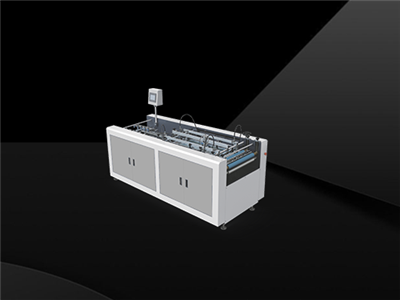

Hey there! As a supplier of Box Machines, I've seen firsthand how the maintenance cost of these machines can eat into your profits. But don't worry, I'm here to share some practical tips on how you can reduce the maintenance cost of a box machine.
Regular Cleaning and Inspection
One of the simplest yet most effective ways to cut down on maintenance costs is regular cleaning and inspection. Dust, debris, and leftover cardboard particles can accumulate over time, causing parts to wear out faster and potentially leading to malfunctions.
Make it a habit to clean your box machine after each shift. Use a soft brush to remove any loose debris from the exterior and interior components. Pay special attention to areas around the cutting blades, folding mechanisms, and conveyor belts. These are the parts that are most likely to get clogged with debris.
In addition to cleaning, conduct regular inspections. Check for signs of wear and tear, such as loose bolts, frayed belts, or damaged gears. Catching these issues early can prevent more serious problems down the road. For example, if you notice a belt starting to fray, replacing it before it breaks can save you from having to shut down the machine for an extended period of time and avoid costly repairs.


Proper Lubrication
Lubrication is crucial for the smooth operation of a box machine. Moving parts need to be properly lubricated to reduce friction and prevent excessive wear. However, using the wrong type of lubricant or over - lubricating can also cause problems.
Refer to the machine's manual to determine the correct type of lubricant to use. Different parts may require different types of lubricants, such as grease for bearings and oil for gears. Establish a lubrication schedule and stick to it. Over - lubrication can attract dust and debris, which can lead to clogs and damage. On the other hand, under - lubrication can cause parts to overheat and wear out quickly.
Operator Training
Well - trained operators can make a huge difference in reducing maintenance costs. When operators know how to use the box machine correctly, they are less likely to cause damage through improper operation.
Provide comprehensive training to all operators. Teach them the proper start - up and shut - down procedures, how to load materials correctly, and how to adjust the machine settings for different box sizes and materials. Make sure they understand the importance of following safety protocols and reporting any issues immediately.
For instance, if an operator tries to force too much material through the machine at once, it can put excessive stress on the components and lead to breakdowns. By training operators to use the machine within its specified limits, you can prevent these types of problems.
Use High - Quality Parts
When it comes to replacing parts in your box machine, it's tempting to go for the cheapest option. However, using low - quality parts can end up costing you more in the long run.
High - quality parts are more durable and reliable. They are less likely to break down or wear out quickly, which means fewer replacements and less downtime. While they may cost more upfront, the savings in terms of reduced maintenance and increased productivity can be significant.
As a box machine supplier, I can recommend some reliable sources for high - quality parts. We also offer a range of parts for our Rigid Box Wrapping Machines, Rigid Box Forming Machines, and Four Edge Folding Machine.
Implement a Preventive Maintenance Plan
A preventive maintenance plan is a proactive approach to keeping your box machine in good condition. It involves scheduling regular maintenance tasks based on the machine's usage and manufacturer's recommendations.
The plan should include tasks such as cleaning, lubrication, inspection, and part replacements at specific intervals. By following a preventive maintenance plan, you can identify and address potential problems before they turn into major issues.
For example, if the manufacturer recommends replacing a certain filter every 500 hours of operation, make sure it gets done on time. This can prevent contaminants from entering the machine and causing damage to other components.
Monitor Machine Performance
Monitoring the performance of your box machine can help you detect early signs of problems. Keep track of key performance indicators such as production speed, energy consumption, and the number of rejects.
If you notice a sudden drop in production speed or an increase in energy consumption, it could be a sign that something is wrong with the machine. Analyze the data regularly to identify trends and patterns. For instance, if you see that the number of rejects is increasing over time, it could indicate a problem with the cutting or folding mechanisms.
Partner with a Reliable Supplier
As a box machine supplier, I know how important it is to have a reliable partner. When you partner with us, you can expect high - quality machines and excellent after - sales support.
We offer technical assistance, training, and a wide range of spare parts. Our team of experts can help you troubleshoot problems and provide guidance on maintenance best practices. Whether you need a replacement part for your Rigid Box Wrapping Machines or advice on lubrication, we're here to help.
Conclusion
Reducing the maintenance cost of a box machine requires a combination of regular cleaning, proper lubrication, operator training, using high - quality parts, implementing a preventive maintenance plan, monitoring performance, and partnering with a reliable supplier.
By following these tips, you can keep your box machine running smoothly, reduce downtime, and save money on maintenance. If you're interested in learning more about our box machines or need help with maintenance, don't hesitate to reach out. We're always happy to assist you in making the most of your box machine investment.
References
- Manufacturer's manuals for box machines
- Industry best practices for machine maintenance