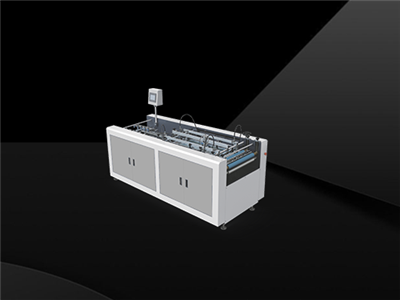

Hey there! As a supplier of Rigid Box Machines, I know firsthand how crucial it is to ensure the safety of operators when using these machines. In this blog post, I'll share some tips and best practices to help you keep your operators safe while they're working with our equipment.
1. Operator Training
First things first, proper training is the foundation of safety. Before an operator starts using a Rigid Box Machine, they should undergo comprehensive training. This training should cover everything from the basic operation of the machine to emergency procedures.
Our company provides in - depth training programs for all our machines. We believe that a well - trained operator is less likely to make mistakes that could lead to accidents. During the training, operators learn how to start and stop the machine correctly, how to adjust settings, and how to handle different types of materials.
For example, when using an Automatic Rigid Box Forming Machine, operators need to know how to load the cardboard sheets properly and how to set the correct dimensions for the boxes. If they don't do this correctly, it can cause jams or other malfunctions that might put them at risk.
2. Machine Maintenance
Regular machine maintenance is another key factor in ensuring operator safety. A well - maintained machine is less likely to break down unexpectedly, which can be dangerous for the operator.
We recommend that you follow a strict maintenance schedule for your Rigid Box Machines. This includes daily, weekly, and monthly checks. For instance, on a daily basis, operators should check for any loose parts, clean the machine, and make sure all the lubrication points are properly lubricated.
Weekly checks might involve inspecting the belts and chains for wear and tear, and monthly checks could include more in - depth inspections of the electrical and mechanical components. If you notice any issues during these checks, it's important to address them immediately. Don't let a small problem turn into a big one.
3. Safety Guards and Devices
All our Rigid Box Machines are equipped with safety guards and devices. These are designed to prevent operators from coming into contact with moving parts or other dangerous areas of the machine.
For example, Automatic Cardboard Grooving Machines have guards around the cutting blades. These guards are made of strong materials and are designed to stay in place during normal operation. Operators should never remove these guards unless they are performing maintenance tasks that require it, and even then, they should follow the proper procedures.
In addition to physical guards, our machines also have safety sensors. These sensors can detect when something is wrong, such as a hand getting too close to a dangerous area, and stop the machine immediately. It's important to test these sensors regularly to make sure they are working properly.
4. Personal Protective Equipment (PPE)
Personal Protective Equipment is a must for operators using Rigid Box Machines. This includes things like safety glasses, gloves, and ear protection.
Safety glasses protect the operator's eyes from flying debris, such as small pieces of cardboard or dust. Gloves can protect their hands from cuts and abrasions, especially when handling sharp edges or moving parts. Ear protection is important because Rigid Box Machines can be quite noisy, and prolonged exposure to loud noise can cause hearing damage.
We encourage all operators to wear the appropriate PPE at all times when using our machines. It's a simple step that can make a big difference in their safety.
5. Workspace Organization
A well - organized workspace is also important for operator safety. The area around the Rigid Box Machine should be clean and free of clutter. There should be enough space for the operator to move around safely and access all the controls and parts of the machine.
Tools and materials should be stored in designated areas. This not only makes it easier for the operator to find what they need but also reduces the risk of tripping over something. For example, if there are loose cords or boxes lying around, it can be easy for an operator to accidentally trip and fall, which could lead to serious injuries.
6. Emergency Preparedness
Even with all the safety measures in place, accidents can still happen. That's why it's important to have an emergency plan in place.


Operators should know where the emergency stop buttons are located on the machine and how to use them. They should also know the location of first - aid kits and fire extinguishers in the workspace.
Regular emergency drills should be conducted to ensure that operators know what to do in case of an emergency. For example, in the event of a fire, they should know the evacuation route and how to use the fire extinguisher safely.
7. Risk Assessment
Before starting any operation with a Rigid Box Machine, a risk assessment should be carried out. This involves identifying potential hazards and taking steps to eliminate or reduce them.
For example, if the machine is located in an area with poor ventilation, there could be a risk of inhaling dust or fumes. In this case, steps should be taken to improve the ventilation. If there are sharp edges on the machine that are not properly guarded, additional guards should be installed.
8. Operator Awareness
Finally, operator awareness is crucial. Operators should be constantly aware of their surroundings and the operation of the machine. They should not be distracted while using the machine.
For example, using a mobile phone or having a conversation with a colleague while operating the machine can take their attention away from the task at hand and increase the risk of an accident.
In conclusion, ensuring the safety of operators when using a Rigid Box Machine requires a combination of proper training, regular maintenance, the use of safety guards and PPE, a well - organized workspace, emergency preparedness, risk assessment, and operator awareness.
If you're in the market for a high - quality Rigid Box Machine and want to ensure the safety of your operators, we're here to help. Our machines are designed with safety in mind, and we can provide you with all the support and training you need. Feel free to contact us to discuss your requirements and start the procurement process. We look forward to working with you to make your box - making operations safe and efficient.
References
- General safety guidelines for industrial machinery.
- Manufacturer's manuals for Rigid Box Machines.