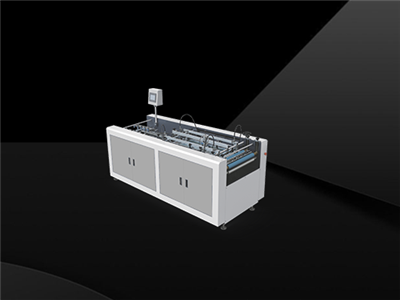

Hey there! I'm a supplier of box machines, and I've been in this industry for quite some time. One of the most common questions I get asked is how to deal with the waste generated by box machines. It's a crucial issue, not just for environmental reasons but also for cost - efficiency. So, in this blog, I'm gonna share some tips and strategies on handling this waste effectively.
First off, let's understand what kind of waste box machines produce. There are mainly two types: paper waste and adhesive waste. Paper waste comes from the cutting and trimming processes. When making boxes, there'll always be some leftover paper scraps that are no longer usable for the main box - making task. Adhesive waste, on the other hand, is the excess glue or tape that gets left behind during the pasting operations.
Recycling Paper Waste
Recycling is the most obvious and environmentally - friendly way to deal with paper waste. As a box machine supplier, I always encourage my customers to set up a proper recycling system. You can start by having separate bins for different types of paper waste. For example, put the clean, unprinted paper scraps in one bin and the printed ones in another. This makes the recycling process much easier.
Once you've sorted the paper waste, find a reliable recycling company in your area. Many recycling companies are more than happy to pick up your paper waste, and they'll pay you a small amount for it in return. It's a win - win situation. You're getting rid of the waste and making a little bit of extra money at the same time.
Another thing you can do is to reuse the paper waste within your own production process. Some of the larger paper scraps can be cut down and used for smaller box components or for testing new box designs. This not only reduces waste but also cuts down on your raw material costs.
Managing Adhesive Waste
Adhesive waste can be a bit trickier to deal with compared to paper waste. But don't worry, there are still some effective ways to manage it. First, try to minimize the amount of adhesive waste in the first place. Make sure your box machines are properly calibrated. For instance, if you're using an Automatic Tape Pasting Machine, adjust the settings so that it uses just the right amount of tape for each box. Over - applying tape not only creates more waste but also increases your production costs.


If you're using glue, look for high - quality glues that have a longer shelf life and better adhesion properties. This way, you can reduce the amount of glue that goes to waste due to drying out or poor performance. Also, make sure to clean your glue applicators regularly. Residual glue in the applicators can build up over time and eventually become waste.
For the adhesive waste that you do end up with, check if it can be recycled. Some types of glue and tape can be broken down and reused in other manufacturing processes. However, not all adhesives are recyclable, so you may need to dispose of them properly. Contact your local waste management authority to find out the best way to dispose of non - recyclable adhesive waste.
Reusing and Repurposing Waste
Apart from recycling and minimizing waste, reusing and repurposing waste is also a great option. For example, some of the smaller paper scraps can be used as packing material. Instead of buying expensive bubble wrap or foam peanuts, you can use these paper scraps to protect your boxes during shipping. It's a cost - effective and eco - friendly solution.
If you have some damaged or unused box parts, don't just throw them away. You can repurpose them into other useful items. For example, you can turn a damaged box lid into a small tray or a storage container. Get creative and see what other uses you can come up with for your waste materials.
Investing in Advanced Box Machines
As a box machine supplier, I know that investing in advanced box machines can also help with waste management. Machines like the Fully Automatic Three - sided Book Trimming Machine are designed to be more precise in their cutting and trimming operations. This means less paper waste is generated during the production process.
Similarly, an Automatic Corner Pasting Machine can apply glue or tape more accurately, reducing adhesive waste. These advanced machines may have a higher upfront cost, but in the long run, they can save you a lot of money on waste management and raw material costs.
Conclusion
Dealing with the waste generated by box machines is a multi - faceted challenge, but it's definitely doable. By implementing proper recycling systems, minimizing waste at the source, and reusing and repurposing waste materials, you can not only reduce your environmental impact but also improve your bottom line.
If you're looking to upgrade your box machines to be more waste - efficient, or if you have any questions about waste management in your box - making process, feel free to reach out. I'm here to help you find the best solutions for your business. Whether you need advice on choosing the right machine or setting up a waste management system, I've got you covered.
Let's work together to make your box - making business more sustainable and profitable. Contact me today to start the conversation about how we can optimize your production process and reduce waste.
References
- General knowledge on waste management in manufacturing industries
- Experience from years of supplying box machines and interacting with customers.