
Hey there! As a supplier of rigid boxes, I get asked a lot about how to choose the right size for these bad boys. It's not as simple as it might seem, but don't worry – I'm here to break it down for you.
First things first, let's talk about why the size of a rigid box matters. The right size can make or break your product presentation. A box that's too big will make your item look lost and unappealing, while a box that's too small won't fit your product at all. Plus, getting the size right can save you money on materials and shipping costs. So, it's definitely worth taking the time to figure it out.
Measuring Your Product
The first step in choosing the right size of a rigid box is to measure your product accurately. You'll need to measure the length, width, and height of your item. Make sure to measure at the widest and tallest points, as this will ensure that your product fits comfortably inside the box.
If you have an irregularly shaped product, you might need to get a bit creative with your measurements. For example, if your product has a curved surface, you can use a flexible measuring tape to get an accurate measurement. Or, if your product is very delicate, you might want to add a little extra space to the measurements to prevent any damage during shipping.
Considering the Type of Product
The type of product you're packaging also plays a big role in determining the right size of the rigid box. For example, if you're packaging a fragile item, you'll need to choose a box that provides enough protection. This might mean choosing a box with a thicker wall or adding extra cushioning material inside the box.
On the other hand, if you're packaging a lightweight item that doesn't require a lot of protection, you can choose a smaller and lighter box. This will not only save you money on materials but also reduce your shipping costs.
Factoring in Additional Elements
In addition to your product, you might also need to consider any additional elements that will be included in the box. For example, if you're including a user manual, a warranty card, or some promotional materials, you'll need to make sure that there's enough space for these items.
You might also want to consider adding some padding or cushioning material inside the box to protect your product. This can be especially important if you're shipping your product long distances or if it's a fragile item.
Using a Box Size Calculator
If you're still not sure which size of rigid box to choose, you can use a box size calculator. There are many online calculators available that can help you determine the right size of box based on the dimensions of your product.
These calculators are usually very easy to use. All you need to do is enter the length, width, and height of your product, and the calculator will recommend the appropriate box size. Some calculators even allow you to specify the amount of padding or cushioning material you want to use, which can help you get a more accurate result.
Considering the Production Process
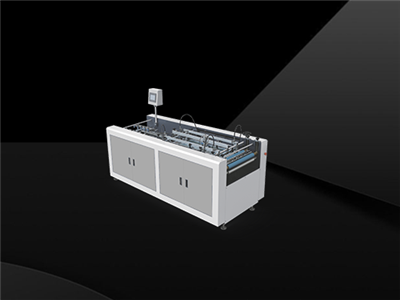
As a rigid box supplier, I also want to mention that the production process can sometimes affect the final size of the box. For example, if you're using a Semi Auto Corner Pasting Machine or an Automatic Box Making Machine to produce your boxes, there might be some limitations on the minimum and maximum sizes that can be produced.
It's important to communicate with your box supplier about these limitations before you finalize your box size. This will ensure that you choose a size that can be easily produced and that meets your requirements.
Looking at Industry Standards
Another thing to consider when choosing the right size of a rigid box is the industry standards. Different industries might have different preferences or requirements when it comes to box sizes.
For example, the jewelry industry often uses small, elegant boxes to showcase their products. On the other hand, the electronics industry might use larger boxes to accommodate the product and its accessories.
Do some research on the industry standards for your product. This can give you a good starting point for choosing the right size of box.
Testing Different Sizes
If possible, it's a good idea to test different sizes of rigid boxes before making a final decision. You can order sample boxes in different sizes and see how your product looks inside them.
This will give you a better idea of which size looks the best and provides the most functionality. You can also get feedback from your customers or colleagues to help you make the right choice.
Cost Considerations
Of course, cost is always an important factor when choosing the right size of a rigid box. Generally speaking, larger boxes will cost more to produce and ship than smaller boxes.
However, you also need to balance the cost with the functionality and presentation of the box. A well-sized box can enhance the perceived value of your product, which can ultimately lead to higher sales.
So, take the time to evaluate the cost-benefit ratio of different box sizes. Consider the long-term impact on your business and choose the size that makes the most sense for your budget and your product.
Conclusion
Choosing the right size of a rigid box is a crucial step in the packaging process. By measuring your product accurately, considering the type of product and any additional elements, using a box size calculator, factoring in the production process, looking at industry standards, testing different sizes, and considering the cost, you can make an informed decision.
If you're still not sure which size is right for your product, don't hesitate to reach out to us. As a rigid box supplier, we have the experience and expertise to help you choose the perfect size for your needs. Whether you need a custom size or one of our standard sizes, we can provide you with high-quality rigid boxes that will make your product stand out.


Feel free to get in touch with us to discuss your requirements and start a采购洽谈. We're here to help you every step of the way.
References
- Packaging Industry Publications
- Conferences and Seminars on Packaging Design