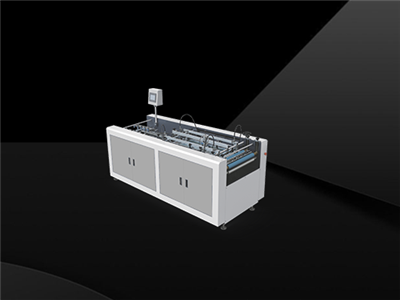

Hey there! As a supplier of Rigid Box Machines, I know firsthand how crucial it is to choose the right die for your machine. The die is like the heart of the rigid box - making process. It determines the shape, size, and quality of the boxes you produce. So, let's dive into how you can pick the perfect die for your Rigid Box Machine.
Understanding Your Box Requirements
First things first, you need to have a clear idea of the boxes you want to make. What's the size of the boxes? Is it a small gift - box or a large storage box? The dimensions are super important. You don't want a die that's too big or too small for your intended box size.
Think about the shape as well. Are you making square, rectangular, or maybe even custom - shaped boxes? Custom shapes can be a bit more challenging, but with the right die, it's totally doable. For example, if you're into making unique, irregular - shaped boxes for high - end products, you'll need a die that can handle those complex cuts.


The thickness of the material you're using also plays a huge role. Rigid boxes can be made from different types of cardboard or paperboard, and each has its own thickness. A die that's designed for thin cardboard might not work well with thick paperboard. So, know your material thickness and choose a die accordingly.
Types of Dies
There are a few different types of dies available for Rigid Box Machines. The most common ones are steel rule dies and solid dies.
Steel rule dies are pretty popular. They're made by embedding steel rules into a wooden or plastic base. These dies are flexible and can be easily customized to different shapes and sizes. They're also relatively inexpensive compared to solid dies, which makes them a great option for small - scale producers or those who need to make frequent design changes. You can check out Rigid Box Wrapping Machines to see how these dies can work in the wrapping process.
Solid dies, on the other hand, are made from a single piece of metal, usually steel. They're extremely durable and can handle high - volume production. Solid dies are great for making large quantities of the same box design. They offer very precise cuts and can maintain their shape and accuracy over a long period of time. If you're running a big - scale rigid box manufacturing business, solid dies might be the way to go. You can pair them with Automatic Cardboard Grooving Machines for an efficient production line.
Compatibility with Your Machine
It's essential to make sure the die you choose is compatible with your Rigid Box Machine. Different machines have different specifications, such as the size of the die - cutting area, the pressure it can apply, and the type of die - mounting system.
Check the manual of your machine to find out the maximum and minimum die sizes it can accommodate. If you buy a die that's too large, it won't fit into the machine, and if it's too small, you might not be able to use the machine's full capabilities.
The pressure requirements are also important. Some machines can apply more pressure than others. A die that's designed for a high - pressure machine might not work properly on a low - pressure one. Make sure the die can withstand the pressure your machine can generate.
The die - mounting system is another factor. Some machines use a clamp - type mounting system, while others use a magnetic or vacuum - based system. You need to choose a die that can be easily and securely mounted on your machine.
Quality and Durability
Quality and durability are non - negotiable when it comes to choosing a die. A high - quality die will give you clean, precise cuts every time. It won't break or wear out easily, which means you'll save money in the long run.
Look for dies that are made from high - grade materials. For steel rule dies, the steel rules should be made from good - quality steel that can hold an edge well. The base material should also be strong and stable. For solid dies, the metal should be of high purity and have good hardness and toughness.
Check the manufacturing process of the die. A well - made die will have smooth edges and a precise shape. There should be no rough spots or uneven surfaces that could affect the quality of the box cuts.
You can also look at customer reviews and testimonials. See what other rigid box manufacturers have to say about the dies you're considering. If a die has a lot of positive reviews regarding its quality and durability, it's probably a good choice.
Cost - Benefit Analysis
Of course, cost is a factor in any purchasing decision. But don't just go for the cheapest die you can find. You need to do a cost - benefit analysis.
Consider the upfront cost of the die. Steel rule dies are generally cheaper than solid dies, but if you're doing high - volume production, the long - term cost of replacing steel rule dies more frequently might be higher. Solid dies have a higher upfront cost, but they last longer and can handle more production cycles.
Think about the cost of maintenance as well. Some dies might require more frequent sharpening or replacement of parts, which can add to the overall cost. A high - quality die might cost more initially but could save you money on maintenance in the long run.
Look at the productivity gains. A good die can increase your production speed and efficiency. It can reduce the number of defective boxes, which means less waste and more profit. So, factor in these productivity benefits when comparing the costs of different dies.
Supplier Reputation
When you're choosing a die for your Rigid Box Machine, the supplier matters a lot. You want to work with a supplier who has a good reputation in the industry.
A reputable supplier will offer high - quality dies. They'll have a team of experts who can help you choose the right die for your specific needs. They'll also provide good customer service, including after - sales support.
Check the supplier's experience in the industry. A supplier who has been in the business for a long time is more likely to have a better understanding of the market and the different types of dies. They'll also have a wider range of products to choose from.
Look for suppliers who offer customization options. If you need a unique die for a special box design, a good supplier will be able to work with you to create it.
Testing and Sampling
Before you make a large - scale purchase, it's a good idea to test the die. Many suppliers offer sampling services. You can ask for a sample die and test it on your Rigid Box Machine.
Testing the die will allow you to see how it performs in real - world conditions. You can check the quality of the cuts, the accuracy of the shape, and how well it fits on your machine. If there are any issues, you can discuss them with the supplier before placing a full order.
Sampling also gives you a chance to compare different dies. You can order samples from multiple suppliers and test them side by side. This way, you can make a more informed decision based on your own testing results.
Conclusion
Choosing the right die for your Rigid Box Machine is a critical decision that can have a big impact on your production process and the quality of your boxes. By understanding your box requirements, considering the different types of dies, ensuring compatibility with your machine, focusing on quality and durability, doing a cost - benefit analysis, choosing a reputable supplier, and testing and sampling, you can make the best choice for your business.
If you're in the market for a Rigid Box Machine or need help choosing the right die, we're here to assist you. Our team of experts can provide you with all the information you need and guide you through the selection process. Whether you're a small - scale producer or a large - scale manufacturer, we have the right solutions for you. Get in touch with us to start a discussion about your rigid box production needs.
References
- Industry knowledge and experience as a Rigid Box Machine supplier.
- Conversations and feedback from other rigid box manufacturers in the industry.