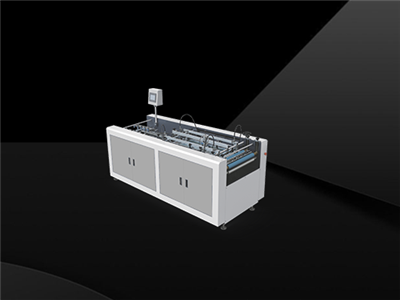

Calibrating a box machine is crucial to ensure it operates at its best, producing high - quality boxes consistently. As a supplier of box machines, I've seen firsthand how proper calibration can make or break a production line. In this blog, I'll walk you through the steps to calibrate a box machine, sharing tips and tricks I've gathered over the years.
Pre - calibration Checks
Before you start the actual calibration process, there are a few pre - checks you need to do. First, give the machine a good visual inspection. Look for any signs of wear and tear, loose parts, or debris. A simple thing like a small piece of cardboard stuck in the machine can throw off the calibration. Check all the belts, chains, and gears. Make sure they are tight and in good condition. If you notice any frayed belts or loose chains, replace them before proceeding.
Next, check the lubrication. Proper lubrication is essential for the smooth operation of the machine. Different parts of the box machine require different types of lubricants. Refer to the machine's manual to find out what lubricant to use and where to apply it. Over - lubricating can be just as bad as under - lubricating, so follow the recommended amounts.
Calibrating the Cutting Mechanism
The cutting mechanism is one of the most important parts of a box machine. If it's not calibrated correctly, the boxes won't have clean cuts, which can affect the overall quality. Start by checking the blade sharpness. A dull blade will cause rough cuts and may even damage the cardboard. Replace the blade if it's dull.
To calibrate the cutting depth, you'll need to adjust the cutting pressure. Most box machines have a pressure adjustment knob or lever. Start with a low pressure and make a test cut on a piece of scrap cardboard. Check the cut quality. If the cut is too shallow, increase the pressure slightly and make another test cut. Keep doing this until you get a clean, deep cut without damaging the cardboard.
Also, make sure the cutting blade is aligned properly. A misaligned blade can cause uneven cuts. Use a straight edge to check the alignment. If it's off, adjust the blade position according to the machine's manual.
Folding Mechanism Calibration
The folding mechanism is responsible for creating the box's shape. To calibrate it, start by adjusting the folding angles. Different box designs require different folding angles. Use a protractor to measure the folding angles on a test box. If the angles are off, adjust the folding guides. Most machines have adjustable guides that you can move to change the folding angle.
Check the folding pressure as well. Just like with the cutting mechanism, the folding pressure needs to be just right. Too much pressure can cause the cardboard to crack, while too little pressure won't create a proper fold. Make test folds on scrap cardboard and adjust the pressure until you get a nice, crisp fold.
Gluing System Calibration
The gluing system is what holds the box together. First, check the glue consistency. The glue should be neither too thick nor too thin. If it's too thick, it won't spread evenly, and if it's too thin, it won't provide a strong bond. You can adjust the glue consistency by adding water or a thickening agent according to the glue manufacturer's instructions.
Next, calibrate the glue application amount. Most box machines have a control for the glue flow rate. Start with a low flow rate and make a test box. Check the glue coverage. If it's not enough, increase the flow rate slightly. If there's too much glue, reduce it. You want to achieve a consistent, even layer of glue on the areas where the box will be glued.
Using Our Related Machines for Better Results
If you're looking to expand your box - making capabilities, we offer some great machines. The Automatic Tape Pasting Machine is a great addition. It can automate the tape - pasting process, which is especially useful for high - volume production. This machine ensures accurate and fast tape application, improving the overall quality and efficiency of your box - making process.
The Four Edge Folding Machine is another excellent option. It can fold all four edges of the cardboard simultaneously, saving you time and labor. With precise calibration, this machine can create perfectly folded boxes every time.
For creating V - grooves in cardboard, our Cardboard V Grooving Machines are top - notch. These machines can make clean and accurate V - grooves, which are essential for some box designs. Proper calibration of these machines will ensure the grooves are the right depth and width.


Post - calibration Testing
After you've calibrated all the parts of the box machine, it's time for post - calibration testing. Run a batch of test boxes through the machine. Check the quality of the boxes carefully. Look for any issues like rough cuts, uneven folds, or weak glue bonds. If you notice any problems, go back and re - calibrate the relevant parts.
Keep a record of the calibration settings and the test results. This will help you in the future if you need to make adjustments or if there are any recurring issues.
Conclusion
Calibrating a box machine is a detailed process, but it's well worth the effort. A properly calibrated machine will produce high - quality boxes, reduce waste, and increase production efficiency. If you're in the market for a new box machine or need help with calibration, don't hesitate to reach out. We're here to assist you in getting the most out of your box - making equipment. Whether you're a small - scale operation or a large - scale factory, we have the solutions to meet your needs. Contact us to start a discussion about your box - making requirements and how we can help you optimize your production line.
References
- Box Machine Manufacturer's Manuals
- Industry Best Practices for Box Machine Calibration