
Hey there! As a supplier of rigid boxes, I'm always on the lookout for ways to enhance the functionality of these versatile packaging solutions. Rigid boxes are known for their durability and high-quality appearance, but there's always room for improvement. In this blog post, I'll share some tips and tricks on how I go about enhancing the functionality of rigid boxes.
Understanding the Basics of Rigid Boxes
Before we dive into the ways to enhance functionality, let's quickly go over what rigid boxes are. Rigid boxes, also known as set-up boxes, are made from thick, sturdy materials like paperboard or chipboard. They're typically used for high-end products, such as jewelry, cosmetics, and electronics, because of their ability to provide excellent protection and a luxurious look.
The basic structure of a rigid box consists of a rigid outer shell and an inner liner. The outer shell gives the box its shape and strength, while the inner liner adds a finishing touch and can also provide additional protection for the product.
Adding Structural Enhancements
One of the first ways I enhance the functionality of rigid boxes is by adding structural enhancements. This can involve using stronger materials or adding reinforcements to critical areas of the box.
For example, I might use a thicker paperboard or a more durable chipboard for the outer shell. This not only makes the box more robust but also gives it a more substantial feel, which can enhance the perceived value of the product inside.
Another option is to add corner protectors or edge reinforcements. These can be made from materials like plastic or metal and are designed to prevent damage to the corners and edges of the box during shipping and handling. By protecting these vulnerable areas, the box is less likely to get dented or crushed, which helps to keep the product inside safe.
Incorporating Special Features
To really take the functionality of rigid boxes to the next level, I like to incorporate special features. These can include things like compartments, inserts, and closures.
Compartments are a great way to organize the contents of a box and keep different items separate. For example, a jewelry box might have multiple compartments for rings, necklaces, and earrings. This not only makes it easier for the customer to find what they're looking for but also helps to prevent the items from getting tangled or damaged.
Inserts can also be used to provide additional support and protection for the product. They can be custom-designed to fit the shape of the product exactly, which helps to keep it in place and prevent it from moving around inside the box. For example, a box for a delicate electronic device might have a foam insert that cradles the device and protects it from shock and vibration.
Closures are another important feature to consider. A good closure should be easy to use but also secure enough to keep the box closed during shipping and handling. There are many different types of closures available, including magnetic closures, snap closures, and slide closures. The type of closure you choose will depend on the size and weight of the box, as well as the type of product it will be holding.
Improving the Manufacturing Process
In addition to adding structural enhancements and special features, I also focus on improving the manufacturing process to enhance the functionality of rigid boxes. This involves using the latest technology and equipment to ensure that the boxes are made to the highest standards.
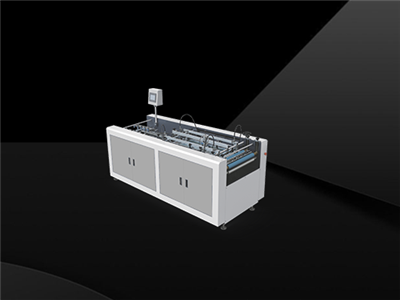
One piece of equipment that I find particularly useful is the Semi Auto Corner Pasting Machine. This machine automates the process of pasting the corners of the box, which not only saves time but also ensures a more consistent and precise result. By using this machine, I can produce boxes with stronger and more durable corners, which helps to improve the overall quality of the box.
Another important piece of equipment is the Four Edge Folding Machine. This machine is used to fold the edges of the box, which is an important step in the manufacturing process. By using a high-quality folding machine, I can ensure that the edges of the box are folded evenly and tightly, which helps to prevent them from coming apart and gives the box a more professional appearance.
Finally, I also use an Automatic Tape Pasting Machine to apply tape to the box. This machine can apply tape quickly and accurately, which helps to seal the box and keep it closed. By using an automatic tape pasting machine, I can ensure that the tape is applied evenly and securely, which helps to improve the functionality of the box.
Considering the Customer Experience
When enhancing the functionality of rigid boxes, it's also important to consider the customer experience. This means making the box easy to open, use, and store.


For example, I might design the box with a simple and intuitive closure that can be easily opened by the customer. I might also include instructions or labels on the box to make it clear how to use any special features or compartments.
In addition, I consider the size and shape of the box to ensure that it's easy to store. A box that's too large or bulky might be difficult for the customer to find a place for, while a box that's too small might not provide enough protection for the product. By finding the right balance, I can create a box that's both functional and convenient for the customer.
Conclusion
Enhancing the functionality of rigid boxes is a multi-faceted process that involves adding structural enhancements, incorporating special features, improving the manufacturing process, and considering the customer experience. By taking these steps, I can create boxes that not only provide excellent protection for the product but also offer a high level of convenience and usability for the customer.
If you're interested in learning more about how I can enhance the functionality of rigid boxes for your products, or if you're looking for a reliable supplier of high-quality rigid boxes, please don't hesitate to get in touch. I'd be happy to discuss your specific needs and provide you with a customized solution.
References
- Packaging Machinery Manufacturers Institute. (n.d.). Packaging Machinery Technology.
- Smith, J. (2019). The Art of Packaging Design. New York: Design Press.