
Hey there! As a supplier of rigid boxes, I often get asked whether rigid boxes have good shock absorption. It's a crucial question, especially for those who are shipping delicate or valuable items. In this blog, I'll break down the science behind the shock - absorbing capabilities of rigid boxes and share some real - world insights.
What are Rigid Boxes?
Rigid boxes, also known as set - up boxes, are made from thick, sturdy materials. They're commonly used for high - end products like jewelry, electronics, and luxury cosmetics. Unlike folding cartons, rigid boxes are pre - assembled and don't collapse flat. This construction gives them an inherent strength that can potentially contribute to shock absorption.
The Science of Shock Absorption
Shock absorption is all about reducing the impact force when an object experiences a sudden jolt or collision. When a box is dropped or bumped, the shock waves travel through the box and its contents. A good shock - absorbing material or structure can dissipate these shock waves, protecting the items inside.
Material Matters
The materials used in rigid boxes play a huge role in their shock - absorbing abilities. Most rigid boxes are made from cardboard, paperboard, or chipboard. These materials have some natural shock - absorbing properties. Cardboard, for example, is made up of multiple layers of paper. When a shock occurs, these layers can compress slightly, absorbing some of the energy.
The thickness of the material also matters. Thicker boards generally provide better shock absorption because they can withstand more force before deforming. However, it's not just about the thickness; the quality of the material is equally important. High - quality boards with a uniform density will perform better than those with inconsistent density.
Design Features
The design of a rigid box can enhance its shock - absorbing capabilities. For instance, a well - designed box will have a proper fit for the product inside. If the product is too loose in the box, it can move around during transit and be more likely to get damaged. On the other hand, a snug fit reduces the movement of the product and distributes the shock more evenly across the box.
Some rigid boxes also have internal partitions or inserts. These can help to isolate the product and prevent it from hitting the sides of the box directly. For example, a jewelry box might have individual compartments for each piece of jewelry, reducing the risk of damage from collisions.
Real - World Testing
We've conducted some real - world tests to see how well our rigid boxes perform in terms of shock absorption. We packed a variety of delicate items, such as glassware and electronic devices, in our rigid boxes and subjected them to simulated shipping conditions.
In most cases, the items inside the rigid boxes remained intact. The boxes were able to absorb a significant amount of the shock from drops and impacts. However, we also found that the performance varied depending on the size and weight of the product. Larger and heavier items required more robust boxes to ensure adequate shock absorption.
The Role of Our Machinery
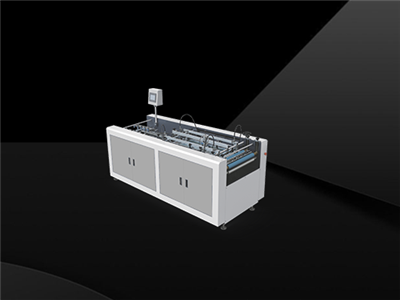
At our company, we use state - of - the - art machinery to produce high - quality rigid boxes. Our Round Corner Cutting Machine ensures that the corners of the boxes are cut precisely, which is important for the overall strength and stability of the box. A well - cut corner can distribute the shock more evenly, enhancing the box's shock - absorbing capabilities.
Our Automatic Rigid Box Forming Machine allows us to create boxes with consistent dimensions and a tight fit. This is crucial for shock absorption because a well - formed box can better protect the product inside.
And our Automatic Corner Pasting Machine ensures that the corners of the box are securely attached. Strong corners are essential for withstanding shocks and preventing the box from falling apart during transit.
Limitations
While rigid boxes have good shock - absorbing properties, they do have some limitations. They may not be suitable for extremely fragile items that require specialized shock - absorbing materials like foam or air pillows. In such cases, rigid boxes can be used in combination with these additional materials to provide extra protection.
Also, if the shock is too severe, even a well - made rigid box may not be able to prevent damage. For example, if a box is dropped from a great height or experiences a high - impact collision, the contents may still be at risk.
Conclusion
So, do rigid boxes have good shock absorption? The answer is yes, they do. Thanks to their sturdy materials and well - thought - out designs, rigid boxes can provide a high level of protection for a wide range of products. However, it's important to choose the right box for the product and consider additional protection if needed.
If you're in the market for high - quality rigid boxes with excellent shock - absorbing capabilities, we'd love to hear from you. Whether you're shipping jewelry, electronics, or other delicate items, we can provide customized solutions to meet your needs. Get in touch with us to start a conversation about your packaging requirements.


References
- Packaging Machinery Handbook
- Journal of Packaging Science and Technology
- Industry reports on rigid box manufacturing and performance