
Hey there! As a supplier of rigid boxes, I often get asked a bunch of questions about these nifty packaging solutions. One question that pops up quite a bit is, "Do rigid boxes have a lining inside?" Well, let's dive right into it and find out!
Understanding Rigid Boxes
First off, for those who might not be super familiar with rigid boxes, they're the heavy - duty, high - quality packaging boxes you often see for luxury products like high - end watches, jewelry, and premium cosmetics. They're made from thick, sturdy materials, usually a combination of cardboard and paperboard, which gives them a solid, durable feel. Unlike regular folding cartons, rigid boxes are more like little fortresses for your products.


Lining in Rigid Boxes
Now, to answer the big question: it depends. Not all rigid boxes have a lining inside, but a whole lot of them do, and there are some good reasons for that.
Why Some Rigid Boxes Have Linings
- Protection: One of the main reasons to add a lining is to protect the product. For example, if you're packaging a delicate piece of jewelry, a soft velvet lining can prevent scratches and damage during transit. The lining acts as a buffer between the product and the box, absorbing any minor shocks or vibrations.
- Aesthetics: Linings can significantly enhance the overall look and feel of the box. A silk or satin lining gives a luxurious touch, making the unboxing experience more special for the customer. It adds a sense of elegance and sophistication, which is perfect for high - end brands looking to make a statement.
- Branding: You can customize the lining to match your brand. You can print your logo, brand colors, or a special message on the lining. This is a great way to reinforce your brand identity and leave a lasting impression on the customer.
Types of Linings
There are several types of linings that can be used in rigid boxes:
- Fabric Linings: As mentioned earlier, fabrics like velvet, silk, and satin are popular choices. They offer a soft, luxurious feel and come in a wide range of colors.
- Paper Linings: Paper linings can be a more cost - effective option. You can use colored paper, textured paper, or even printed paper with patterns or graphics.
- Foam Linings: Foam linings are great for products that need extra protection. They can be cut to fit the shape of the product, providing a snug and secure fit.
Manufacturing Process and Equipment
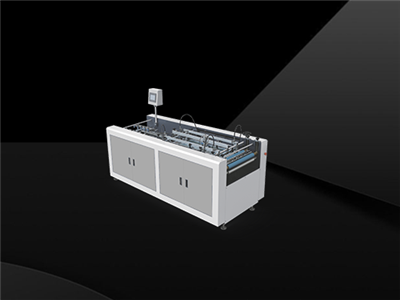
If you're thinking about getting into the rigid box manufacturing business or just curious about how these boxes are made, there are some essential machines involved.
- Rigid Box Forming Machines: These machines are the heart of the rigid box production process. They're used to form the basic structure of the box, cutting and folding the cardboard or paperboard into the desired shape.
- Automatic Tape Pasting Machine: Once the box is formed, an automatic tape pasting machine is used to secure the corners and edges of the box. This ensures that the box is strong and durable.
- Four Edge Folding Machine: This machine is used to fold the edges of the box, giving it a clean and professional look. It's an important step in the finishing process.
When Linings Aren't Necessary
There are also cases where a lining might not be needed. For example, if you're packaging a large, sturdy item like a set of books or a heavy electronic device, a simple rigid box without a lining might be sufficient. The main focus here is on the structural integrity of the box to protect the product from external damage.
Customization Options
One of the great things about rigid boxes is the high level of customization available. Whether you want a box with a lining or without, you can tailor it to your specific needs. You can choose the size, shape, color, and material of the box, as well as the type of lining (if any). You can also decide on additional features like windows, handles, or magnetic closures.
Making the Right Choice
So, how do you decide whether to go for a lined or unlined rigid box? Here are some factors to consider:
- Product Requirements: Think about the nature of your product. Does it need extra protection or a luxurious presentation? If so, a lined box might be the way to go.
- Budget: Linings can add to the cost of the box. If you're on a tight budget, you might want to consider a more basic unlined box or a cost - effective lining option.
- Brand Image: Your brand image plays a big role. If you're a high - end brand, a lined box can help reinforce your brand's luxury status. On the other hand, if your brand is more focused on simplicity and functionality, an unlined box might be more appropriate.
Conclusion
In conclusion, while not all rigid boxes have a lining inside, there are many good reasons to consider adding one. Whether it's for protection, aesthetics, or branding, a lining can take your rigid box to the next level. As a rigid box supplier, I'm here to help you make the best choice for your product and brand.
If you're interested in learning more about rigid boxes or are looking to place an order, feel free to reach out. We can work together to create the perfect packaging solution for your needs.
References
- Packaging Industry Journal, various issues on rigid box manufacturing and design.
- Interviews with industry experts on packaging trends and best practices.